For some sectors, 2020 is surely not the year to expect returns or to even come at par with the figures of last year. With the deadlines for schools to announce their opening dates drawing closer and no end to the catastrophe in sight for some of the most populous countries in the world, it seems one of the most profitable seasons for retailers – Back-To-School (BTS) – has taken a worse hit than they had initially anticipated.
As of 18th July, UNESCO reported over 60 per cent of the global student population being out of school with home-schooling and online learning becoming the new norm. As the job losses in most recession-bound countries mount, parents are dipping into their savings more to fulfil their kids’ needs of upgraded gadgets for online classes rather than spend on clothes. Even for the ones that still have their jobs, clothes have dropped majorly in priority. According to a report by Statista, parents have expressed a higher average spend on electronics and gadgets mounting to US $ 274.44 as compared to expenditure on clothing and accessories which has dipped to US $ 234.48 per child as opposed to previous years where the spend on clothing was higher. Shoes came in even lower at US $ 149.2 and school supplies suffered the most with only US $ 131.37 allocated to them.

That being said, 2020 has brought in some surprises in its wake. The National Retail Federation released data for the US, stating that the “spending is expected to total US $ 33.9 billion, up from US $ 26.2 billion last year and breaking the record of US $ 30.3 billion set in 2012.” This signifies that parents are ready to spend, but only on the products they deem essential, a spot which is occupied largely by gadgets as of now. But that doesn’t eliminate the fact that there’s scope for newness in the market; after all, kidswear can be largely motivated by the overprotectiveness of parents who are bound to indulge in anything that can protect their kids better at a time like this.
Strategies to stay ahead of the curve

The scope for fashion in BTS shopping season might look bleak to some, but there are always others who spearhead their way out of the unlikeliest of situations with innovative tactics to keep their consumers wanting for more.
Surveys show that the season takes off in the last 2 weeks of July and the first 2 weeks of August, which coincides with the weeks before and during school reopening in August or September. In order to capture this market, retailers have traditionally offered huge discounts to pull in more spend. This year, however, even Amazon’s Prime Day sale suffered at the hands of coronavirus and has been rescheduled for October.
That has not deterred retailers from putting their best discount-foot forward! This year, retailers geared up to offer discounts earlier and upfront to capture the market before these were exhausted. In fact, they have been discounting a higher proportion of products Y-o-Y, and with Amazon also running its Big Style Sale from 22 to 28 June, retailers had a greater incentive to reduce their stock early on before the onset of the sale. To be precise, retailers in the US discounted on average 71 per cent of products which continued into July, outdoing their 62 per cent products marked down last year.

However, brands are hardly ready to reduce their margins in this tussle for one-upmanship. While the number of products discounted might have been higher, retailers reduced the average of discounts from 43 per cent in 2019 to only 30 per cent this season.
The pandemic halted all supply chains for months on end and brands had to navigate their way between inventory lying in warehouses and suppliers hounding them for every unpaid delivery. So the best way out of such a situation is rebranding and repurposing products so that they seem to fit just what consumers have been on the lookout for. Not only this, while communicating their flexibility, brands have also gone ahead and stricken a nerve with thoughtful communication trends, which is bound to bring out the warmer side of their patrons.
Promoting merchandise that can be worn in both the classroom or at home has been the overarching theme, with retailers such as GAP, Macy’s and Dick’s Sporting Goods tailoring e-mails that speak to parents sending their kids back to school or carrying on with online learning. In fact, a category such as denim that has been the bread and butter of the likes of Abercrombie & Fitch has started highlighting the stretch and comfort of the fabric.
In another example, Burton Snowboards is advertising a ‘buy one, donate one’ scheme for every backpack purchased until 8th August, where one full year of school supplies will be donated to the Kids in Need Foundation, supporting families struggling with extreme poverty.
Market trends poised for growth
While retailers try their hand at discounting and strategising to win more faith of the consumers, there are categories emerging that might be downright winners.
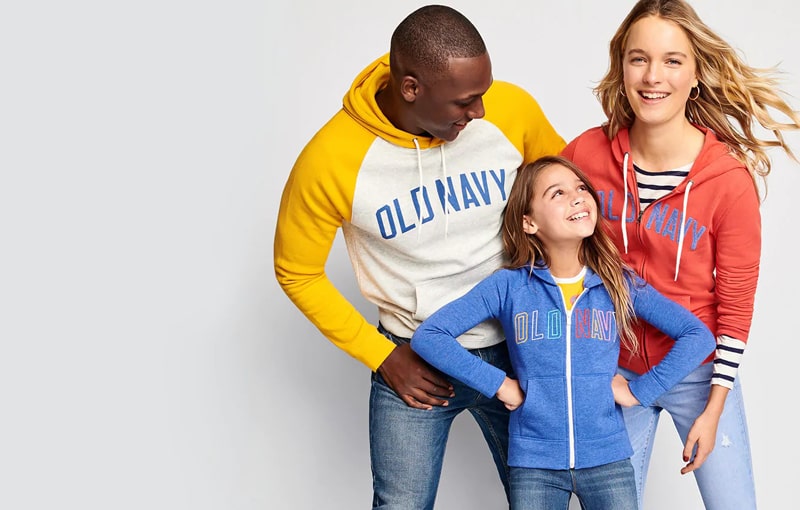
It is no surprise that a fashion category that is designed to provide optimum comfort while being on-trend (read loungewear) is excelling despite retail spiralling downward worldwide. Solidifying comfort as the new school uniform, loungewear is fast catching on for the BTS shopping season too because kids studying at home are a great propeller for the segment already poised for unhindered growth.
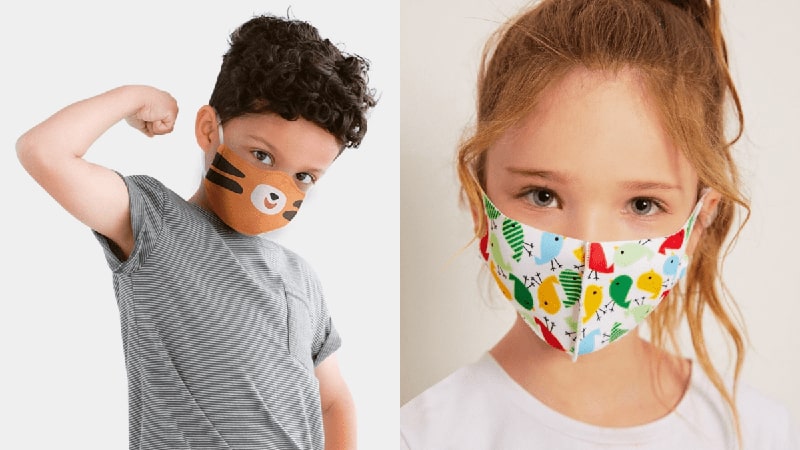
As most schools announce virtual learning for a couple of months to follow, others have decided to open their doors to students, provided the rate of infection doesn’t increase drastically. Now, with all ages requiring masks to step out of the house, it remains a strong category for BTS shopping. Parents would rather spend a few bucks on face masks than buy that extra t-shirt. Additionally, making them with playful colours and prints makes the idea of wearing a mask much more appealing to a kid.
Another trend that has the potential of taking off is anti-bacterial fabrications and hygiene technology. As the world reopens, parents will be looking to add protective measures within their children’s garments. In the UK, for example, Marks and Spencer already offers anti-bacterial finishes on its school shirts. For the US where uniforms aren’t compulsory, retailers should consider such products. Denim is another fabric these finishes can be integrated into. Diesel recently announced a partnership with Swedish chemical company Polygiene. A selection of the brand’s Spring/Summer 2021 styles will include a finishing treatment that prevents 99 per cent of viruses, including those that cause COVID-19, from attaching to the fabric.
Whether it is the strategies brands adopt or the products they offer, the pandemic has woken most of them out of a deep, comfortable slumber where they have to fight for survival. BTS shopping, one of the most lucrative seasons, is not a total failure for those who are adapting to changing circumstances fast. It is for us to see which brands are able to win back the share of the market the pandemic cost them, and which choose to bow out in a crisis.