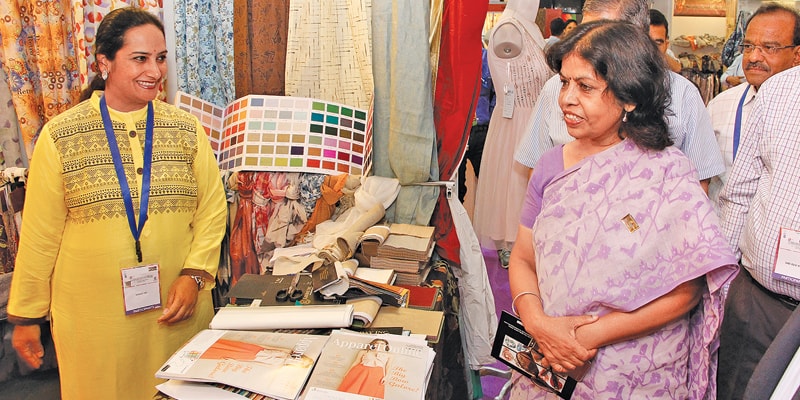
Rising price pressure on every stakeholder has impacted business, more so in garments made from comparatively costly fabrics like silk, in which case blends are more in demand as they are cost-effective while the feel is quite similar to silk. The recently concluded 5th India International Silk Fair (IISF) organized in Delhi by the Indian Silk Export Promotion Council (ISEPC) witnessed visitation from small but good number of buyers and fashion designers from non-traditional markets looking for silk and silk products. Though the demand of silk has almost reduced by 60 to 70 per cent in last 4 to 5 years while price has surged, there are buyers as well as exporters still having silk as their niche.
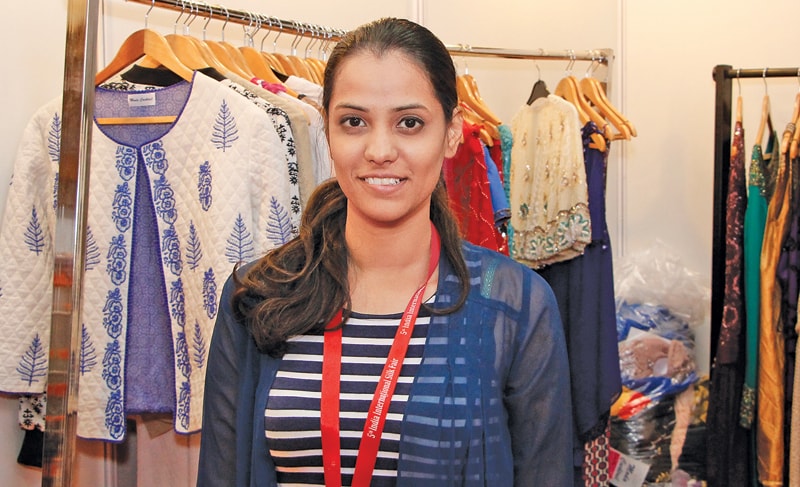
The Indian silk industry employs around 7.6 million people with a 15.49 per cent share in total world silk production, behind only China. Yet the market share of Indian silk exports in the global silk trade is just 4-5 per cent mainly because India only exports approximately 15 per cent of its output of all types of silk goods (including value-added items), while the rest is consumed locally. According to the Central Silk Board, in 2014-15, Indian silk exports stood at US $ 449.7 million. Readymade silk garments formed the largest segment generating around 67.7 per cent of silk export earnings, while natural silk yarn, fabrics and made-ups comprised 27.8 per cent of silk export earnings. The export of Indian silk products consists of finished goods like fabrics, made-ups, readymade garments and furnishing materials like curtains, carpets, bed spreads, cushion covers, stoles, shawls, scarves, etc. The industry is a good case study of how the silk value chain is giving good returns to the industry.
Market trends from 5th India International Silk Fair
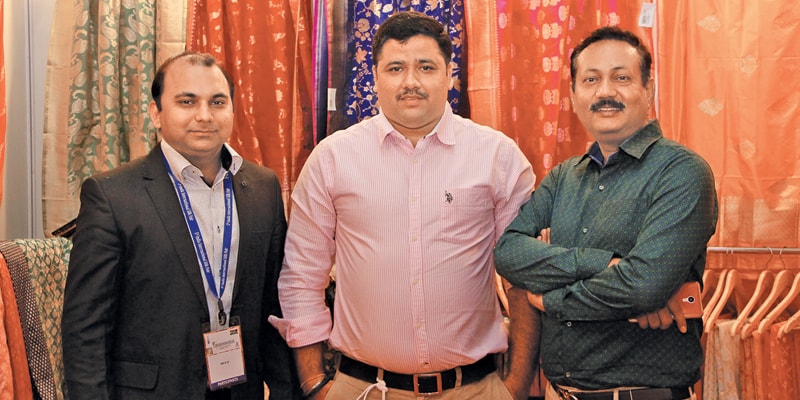
The good participation from the cities known for silk like Varanasi and Bangalore as well as apparel manufacturing hubs which are not so much into silk, be it Jaipur or Delhi-NCR at the IISF, underlines the strong base that India has in the silk segment. Some of the companies known for silk are still enjoying good demand and are certain about further demand too. S&D (Shah Narayan Das & Co.), Varanasi continues to get good orders for both silk fabric and silk-based ready products from countries like Australia, Middle East and South Africa. Sandeep Bhandula, Purchase Manager of the company shared, “Apart from these countries some Lebanon-based buyers are sourcing 100 per cent silk fabric from us and manufacturing garments out of it. We have enough demand of pure silk as our buyers know that we are100 per cent into silk and don’t mix it with polyester or any other such blends. We have 3 factories and all of them are running on 100 per cent capacity.” The company recently opened its office in Delhi also, which is being headed by Vivek Saran Mathur, Head – Retail Channel of the company. This new office has been opened with a vision to support buyers who sometimes can’t visit Varanasi, and also respond quickly to demands. Sandeep further added that digital printing is something very much in demand. The company has 10 multi-head embroidery machines and 8 digital printers installed at its factory. It is in the process to strengthen its online presence to grab more domestic market. There are many companies enjoying demand for silk blends as cost of pure silk is too high for certain buyers who still demand the ‘feel of silk’ which is easily possible with silk blends. International Fashion Agency (AD United), Noida is also one such example as it is offering garments of 100 per cent silk and of blends as well. “With regards to high cost of pure silk I can only say that buyers having good number of stores are paying this cost while the small buyers are asking to give similar products in blends,” shared Darshana Jain, Fashion Designer of the company. She further added that for summer season, the company is using flowy/sheer fabrics while patch work and embroidery were also used dominantly in its collections. Moving further it is going to start offering shoes (sweat shoes) also as it is the only product which is missing in the product basket of the company. “Fair has been good for us as we got mixed kind of buyers from Germany, US and UK. Buyers were looking for more of summer products and some of them were very keen for silk products,” said Darshana.
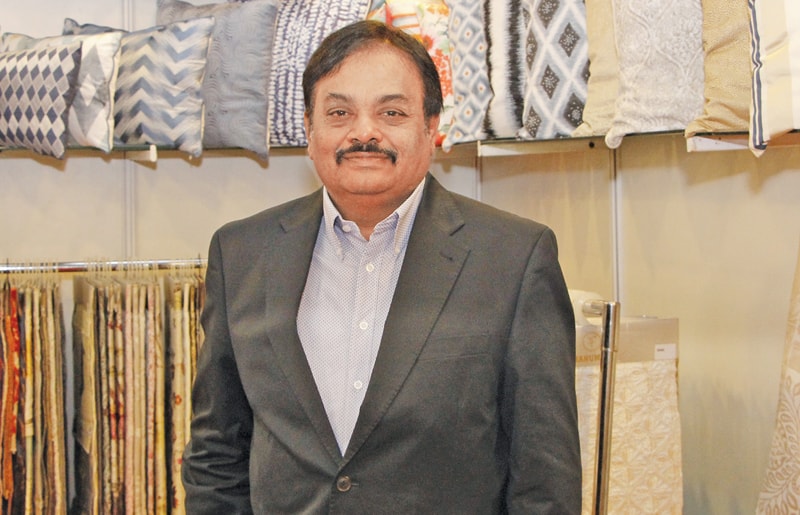
Apart from apparel, fabric and accessories, there were companies offering home furnishing as well as fabrics. Content with the buyers’ footfall and response, Srinivas S. Khoday and Roopa Srinivas of Khoday Inc, Bangalore met buyers from Israel, Japan, etc. “Less buyers were asking for pure silk, and for most blends were their priority. Silk is our base but we are offering linen and cotton and various blends too as demand of silk has reduced in a big way and it is not a product of a common man even in western world. Along with silk-like products, we have also observed good demand of linen,” said the duo.
Indian exporters innovating to keep the fabric attractive

Buyers of silk also look for other options…
Though the fair was completely planned around silk but interestingly there were some players who are not too much into silk and surprisingly they were quite happy with the response. CD Mehta, MD, Shah Originals, Jaipur shared, “It is not that buyers were only asking for silk or garments made by silk-blended fabrics. As it is comparatively new fair, we want to explore it and also the newer markets. Buyers’ footfall is quite good; though they are small buyers with lesser quantities but they are from different countries like Japan, South America, Uruguay and Chile which gives us good market exposure.” He also added that buyers are difficult on pricing even in small orders. The company merged embroidery with prints in its products, which was appreciated by many visitors. Some of the exhibitors observed that a lot of the buyers were asking for stoles and that too of viscose, cotton and polyester blends.
Vijay R.V., Partner, Hanuman Weaving Factory, Bangalore suggested that the organizers should brief the exhibitors and visitors about their demands and offerings. “Buyers should know about the exhibitors and their offerings. Similarly, exhibitors should also know what exactly buyers will ask for,” he said.
“This fair has fewer exhibitors than my expectations, especially in the silk segment. Being a regular buyer of Indian products, I am very much familiar about the pricing, despite that Indian exporters are quoting unrealistic prices like four times than actual price. How can they hope to get business? I am very much happy with the product development and quality of Indian exporters. Some of them even have such nice designs which I have not seen anywhere else. I must add they need to work on colours as they put a lot of green, yellow and orange etc. in most of the product,” said Evren Dolek, GM, Emira Dis Ticaret, Turkey sourcing almost one lakh pieces of silk-based and 2 lakh pieces of cotton-based scarves per year from India. “Our market is currently slow as Turkey is facing many problems and can’t say when the things will improve,” he added.



 Bharat Tex Special Report 2026