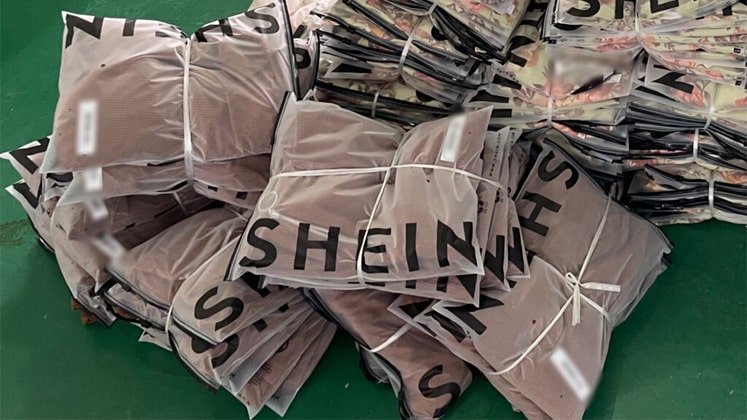
Shein, a Chinese online retailer of fast fashion, announced that it will spend US $ 148.9 million in Brazil over the next few years to build a network with thousands of textile manufacturers there.
The business, which also unveiled a Brazilian marketplace for buyers and sellers, said it plans to collaborate with 2,000 local manufacturers, which should result in the creation of 100,000 new jobs over the following three years.
By the end of 2026, local producers and vendors should account for almost 85% of all transactions made in Brazil, it continued.
Shein’s plan is “basically ship raw material to Brazil and localize our manufacturing in the country”, the firm’s Latin America Chair Marcelo Claure told Reuters.
Claure, a former senior executive at Japan’s SoftBank Group Corp. who joined Shein earlier this year, declared that the business will maintain competitive pricing even after local production began.
“All the savings in transport and logistics will be offset by what I believe will just be a little higher manufacturing cost, so the end result should be exactly the same or lower,” he explained.
Shein currently ships its orders from Brazil individually.
According to Fernando Haddad, the Minister of Finance of Brazil, Shein intends to implement local manufacturing and localise a portion of its Brazilian sales.
The investment, according to the business, will be used to give local manufacturers access to technology and training so they can modernise their processes to work in line with Shein’s on-demand model.
According to Shein, this plan should make it easier for local producers to handle the firm’s orders, cut waste, and get rid of extra inventory.
A memorandum of understanding between Shein and textile maker Coteminas, which is owned by Brazilian textile giant Springs Global, calls for a “joint effort for 2,000 of its garment manufacturer clients to become Shein suppliers for the domestic market and Latin America.”
According to Coteminas, the arrangement includes cash for the Brazilian company’s operating capital as well as contracts for the export of household goods.