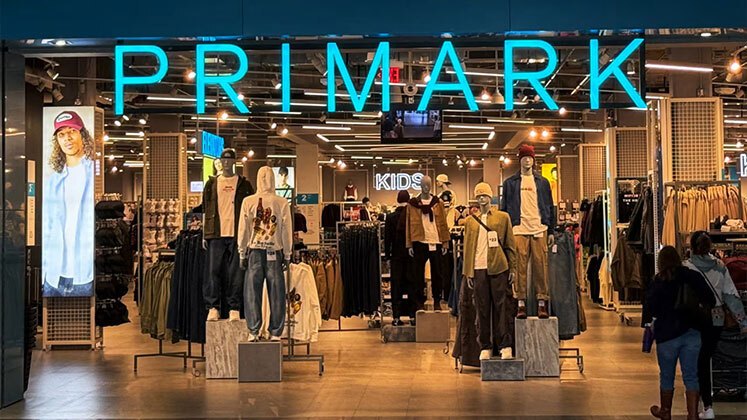
Primark’s parent company, Associated British Foods (ABF), has slashed its sales outlook and warned of weaker annual profits after the budget fashion retailer reported a significant fall in sales across continental Europe, sending its share price sharply lower, according to trading updates issued this week.
ABF said like-for-like sales at Primark declined over the 16-week trading period to 3rd January, with European outlets particularly affected by subdued consumer demand. The group now expects adjusted operating profit and earnings per share for the year to come in below last year’s levels, reversing earlier forecasts of growth.
ABF’s chief executive, George Weston, acknowledged that trading conditions remained challenging, noting that overall sales growth was weaker than previously anticipated and that continued pressure on discretionary spending in Europe had contributed to the downturn. He said the company was planning a range of initiatives intended to improve performance in European markets.
Weak demand prompted Primark to increase markdowns in an effort to clear stock, which further squeezed profit margins, ABF said. In contrast, Primark’s UK like-for-like sales showed modest growth, albeit in what the group described as “a difficult clothing market”, while other parts of ABF’s business, including some food and agriculture divisions, experienced mixed results.
The profit warning highlighted broader cost-of-living pressures facing consumers across Europe, where shoppers have been cutting back on non-essential purchases, and underlined ongoing volatility in global retail. Retail analysts noted that the weaker outlook for Primark would weigh on ABF’s annual results and could influence investor sentiment as the group navigates a tough trading environment.
ABF’s shares fell more than 10 per cent on the London stock market following the announcement, reflecting concern among investors about the impact of weaker sales performance in key European markets.
The latest results come as the broader UK retail sector contends with waning consumer confidence and shifting spending patterns, with several major retailers reporting mixed trading results over the holiday season