Point of Sale (POS) is any location where sales or transactions may take place. Knowing the amount of sale that a retail store has made is an important thing to be known by any retailer. It gives an account of the money earned which helps in determining the profit made by the store. There are technologies available in the market for meeting this basic need of the retailers. However, with the changing trend and increasing rush of customers, the need of the retailers has changed. Knowing just the daily sales of the store, is not enough for meeting the challenges. Nitish Yadav, a student of Master’s in Fashion Technology, NIFT, Delhi discusses the technologies available for keeping record of the sales made by the store.
POS TECHNOLOGY IN RETAIL
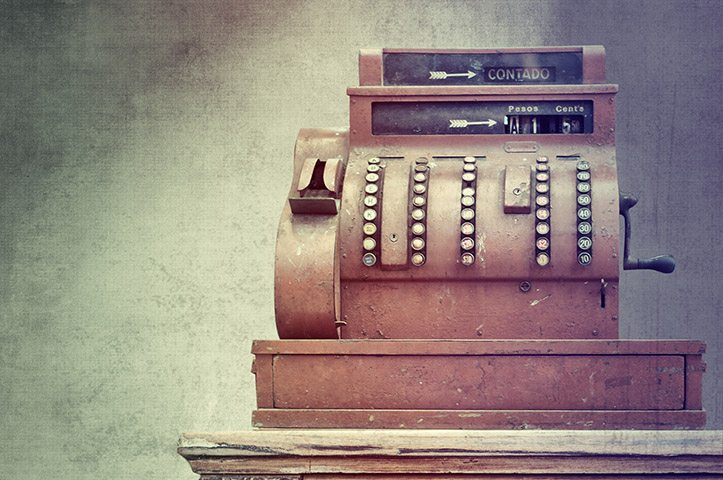
One of the very first methods of keeping track of commercial transactions was the cash drawer that had dividers to hold the bills and coins. These cash drawers had certain limitations like there was no way to easily audit transactions as few ‘dishonest’ cashiers frequently augmented their income by removing cash when their supervisors were not present. To overcome these challenges, there was a need to develop another POS system. Therefore, the mechanical POS system was invented in 1879, by brothers James and John Ritty. The invention was made when they noticed that they were getting ripped off by some of their employees. The POS system didn’t include a drawer for cash; it simply recorded the number of sales and also the amount of each one. Ritty named his device ‘the Incorruptible Cashier’.
Though these systems served the purpose, but with the advancement in technology, there was a need to convert these mechanical systems into electronic ones.
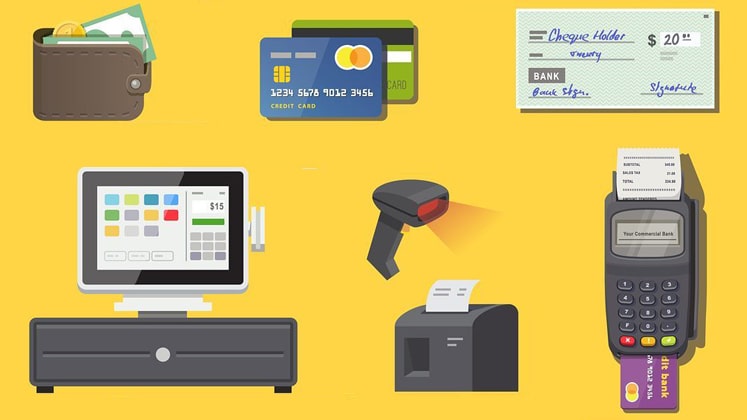
The basic level of technology to address this changing trend was the Electronic POS or cash register system, which recorded the sales and transactions electronically. The system consists of a cash drawer, keyboard, receipt printer, monitor and mouse. The device automatically prints a receipt after registering the value of the purchased item and it also records the cash transaction. This system is capable of telling how much the retailers have sold. This cash management system is most beneficial to the small retailers as they are easy to use and require minimum investment. The brand selling this basic level of technology is QuickBooks POS.
However, with the shift in business trend and with the increase in the footfall of the customer, there arose the need for a more advanced version of the POS, which incorporates features such as inventory management, marketing information, employee work hours and other business data. Also, with the change in payment mode like card payments, there was a need for a system that can adopt these changes and fulfil the demand of the retailers.
The intermediate level of a POS system includes the basic feature with some additional functions like credit card processing, customer reward program, creation of customer ID cards, tracking of availability etc. These also include a barcode scanner to scan the item barcode instead of manually typing the price of the item. This reduces the amount of errors that are made and it also involves easy rectification of mistakes if they occur. This also reduces the extra time that is involved in the manual typing of the prices, which results in improved efficiency of the operation.
The other advantages of using this system include the ability to manage single and multiple taxes, tax refund and tax exemptions. This system helps in better stock management as it enables all stock to be scanned upon delivery and to be entered into a digital database. Merchants can therefore review their overall stock levels at a glance and make accurate purchasing decisions accordingly. Employee tracking is another advantage of using such systems as they help track down the performance of each one of them. Also, these systems help in giving an accurate report that includes critical information related to stock management, common sales trends which further help them in forecasting the demand of the product. One of the primary brands selling such a system is eHopper.
This system serves the purpose of medium-level retailers, but the main disadvantage lies in the fact that this is limited to the local server and runs on a closed internal network. Also, when the data has to be centralised, it has to be accessed from a remote location. For example, a brand with a number of stores, in such a case, will not be able to know the centralised sales of every individual store. Also, with the increase in business, there increases the need for creating transparency in the business for a smooth workflow.
Today for increasing their reach to customers, stores are opting for e-commerce platform, and for this they need a system to keep a track of their sales and income. All the above reasons and the revolutionary retail demand has raised the demand for the most advanced level of technology which is cloud-based POS system.
These systems can be directly accessed through the net and are compatible with most of the POS systems. The cloud-based POS system integrates features such as Online ordering, Loyalty programs and Payments and further assists retailers in getting benefits that include centralised information (important for chain retailers) and the ability to access data from virtually anywhere if an internet connection exists. However, these systems need to be updated from time to time and therefore most of the companies provide easy and free upgradation to the newer version. Also, the cloud based system makes the data available on any of the remote devices like smart phone and laptops, and hence enables the managers and the owners to have access to the sales data and other information from anywhere with just a touch. Also, the system allows one have to have access to real time data information. The best brands serving this purpose are Shopify and Lightspeed.
Using advanced level of technology is the need of most of the retailers to track information related to sales and other information in a centralised way. However the other two levels also solve the basic purpose or need of the retailers with a smaller business scale. Having a POS system not only helps in keeping record of the sales made by the store, but also helps in better management of the stock level so that one’s stock level is maintained and there is no sales loss due to that. The inventory level measurement helps in better replenishment and also in forecasting the product’s demand.






 Bharat Tex Special Report 2026