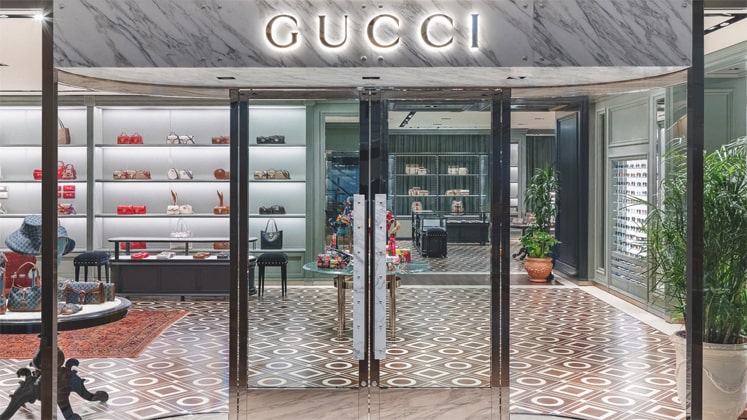
Customers in China and the US have helped luxury retailers experience a post-pandemic boom. However, there are hints the industry’s growth may have peaked.
While Gucci owner Kering has struggled to relaunch its flagship brand, industry titans Hermès and LVMH have experienced good growth this year. While the recovery from China’s reopening has taken longer than anticipated, several brands have noticed a slowdown in sales growth in the US.
“There is a slowdown in the US, but compared to an absolutely crazy base,” said Michael Kliger, chief executive of luxury eCommerce platform Mytheresa.
“The global mood is not one of revenge buying like we saw in 2021 and 2022, so we’re talking more about normalisation than anything else,” said Jean-Jacques Guiony, chief financial officer of LVMH.
China, previously seen as the luxury industry’s saviour, appears to have stopped providing the same support as before, at least for the time being.
The announcement comes as the most recent data, according to research by PYMNTS indicates that discretionary income growth is slowing as consumers work to increase their savings and manage their debt.
With a 2.6 per cent rate compared to a 4.1 per cent annualised rate as assessed in the first quarter, consumer expenditure is slowing down. Additionally, compared to the first quarter’s 12.9 per cent growth, disposable income climbed 5.2 per cent in the third quarter, said the research.
Additionally, according to PYMNTS data, 85 per cent of shoppers have adjusted the how and when of their retail purchases by buying fewer items overall, switching to less costly retailers, or frequently combining the two.