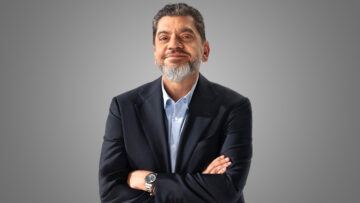
Kumar Mangalam Birla, Chairman, Aditya Birla Fashion and Retail Ltd (ABFRL), has said that despite India’s apparel retail business suffering a severe blow, following pandemic–induced lockdowns that shrunk consumer appetite for formal and occasion wear, ABFRL expects to reach the Rs. 25,000 crore revenue mark within five years.
Addressing the company’s 14th annual general meeting (AGM), he said that India’s apparel market could return to normalcy by the second half of FY22 led by favourable macro factors, increased adoption of digital technology and the underlying trend of value migration from the unorganised to the organised sector.
In FY21, the retail gain has, reportedly, consolidated net revenue of Rs. 5,249 crore, down from Rs. 8,788 crore in the year-ago period. Notably, it has over 3,210 stores in India.
Having a wide repertoire of leading brands, which include the likes of Louis Philippe, Allen Solly, Van Heusen, Peter England and Pantaloons, ABFRL is amongst the largest organised apparel retailers in India.
The company also retails fast fashion brands like Forever 21, Ralph Lauren, American Eagle, Hackett London and Ted Baker, amongst others.
The company was also burdened with debt as temporary store closures resulted in revenue loss. “Like other retailers globally, the unprecedented disruption at the start of the fiscal year posed a very challenging financial situation to begin with. Dwindling revenues on account of the shutdown meant losses were imminent. And this put a temporary strain on the balance sheet as the company’s debt peaked upwards of Rs. 3,000 crore at the end of Q1 FY21,” he said.
He further added that subsequently the company worked around its cost structure, negotiated rentals with malls and high-street store owners and liquidated inventory to reduce the debt burden.
He also said that the company re-imagined its cost structure and worked with its real estate partners and material vendors to realign legacy costs. “Our team did an exceptional job pulling this off by reducing our peak cost base by Rs. 1,200 crore. Second, the team calibrated our working capital position, reworked the buys and aggressively liquidated inventory through multiple channels without resorting to any incremental discounting. This enabled a record working capital release of Rs. 750 crore,” he said.



 Bharat Tex Special Report 2026