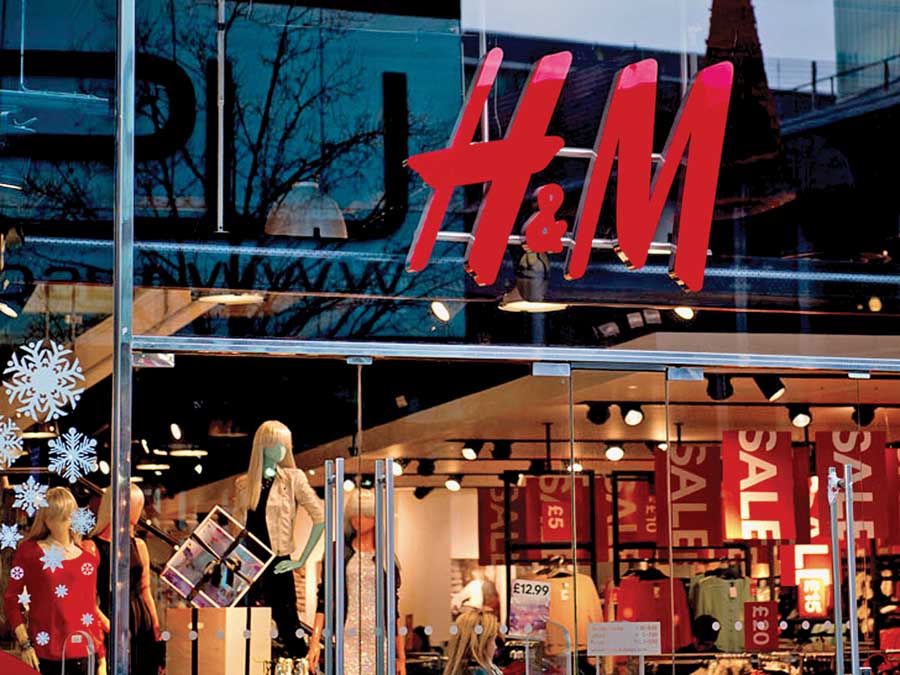
 Recently, Swedish fashion giant Hennes & Mauritz (H&M) unveiled its plan to ensure that workers making its clothing are paid wages that cover their cost of living. The largest, buyer of ‘Made in Bangladesh’ label will start assessing the gap between wages and the cost of living, next year in factories in Bangladesh and Cambodia. Within the next five years, 750 of its most important suppliers, covering 60 per cent of its goods, would be capable of paying a fair living wage. According to Helena Helmersson, Global Head of Sustainability, H&M, “H&M is working closely with two factories in Bangladesh and one in Cambodia to poll workers and managers about the cost of their basic needs. As a result of this research, the company will determine how much wages needs to be adjusted.”
Meanwhile, following a series of deadly factory accidents in Bangladesh, Cambodia and Pakistan, retailers such as H&M have started realizing the needs for initiatives, launching widespread building inspections and also have started endorsing the presence of unions. In addition to paying a fair living wage, the Swedish retailer is reworking on its purchasing process to make it more transparent, giving the company better visibility and detail about its supplier costs to produce H&M garments.