 While the world economy was full of depressing news emerging out of the severe impacts of recession, there were also a set of people who were trying to create a viable difference in boosting up the low spirits of the masses. As most of the big brands the world over reported a loss in sales, a series of concepts and campaigns managed to turn a smile into healthy business, the craze of which cannot go unnoticed, as most of them have today turned into raging trends. And even though the recession became a reason for major losses in the industry, looking at the other side of the coin, Team FASHION FORWARD TRENDS believes that ‘recession’ in itself is also a trend, a macro theme for us to look at and dig our inspirations out…
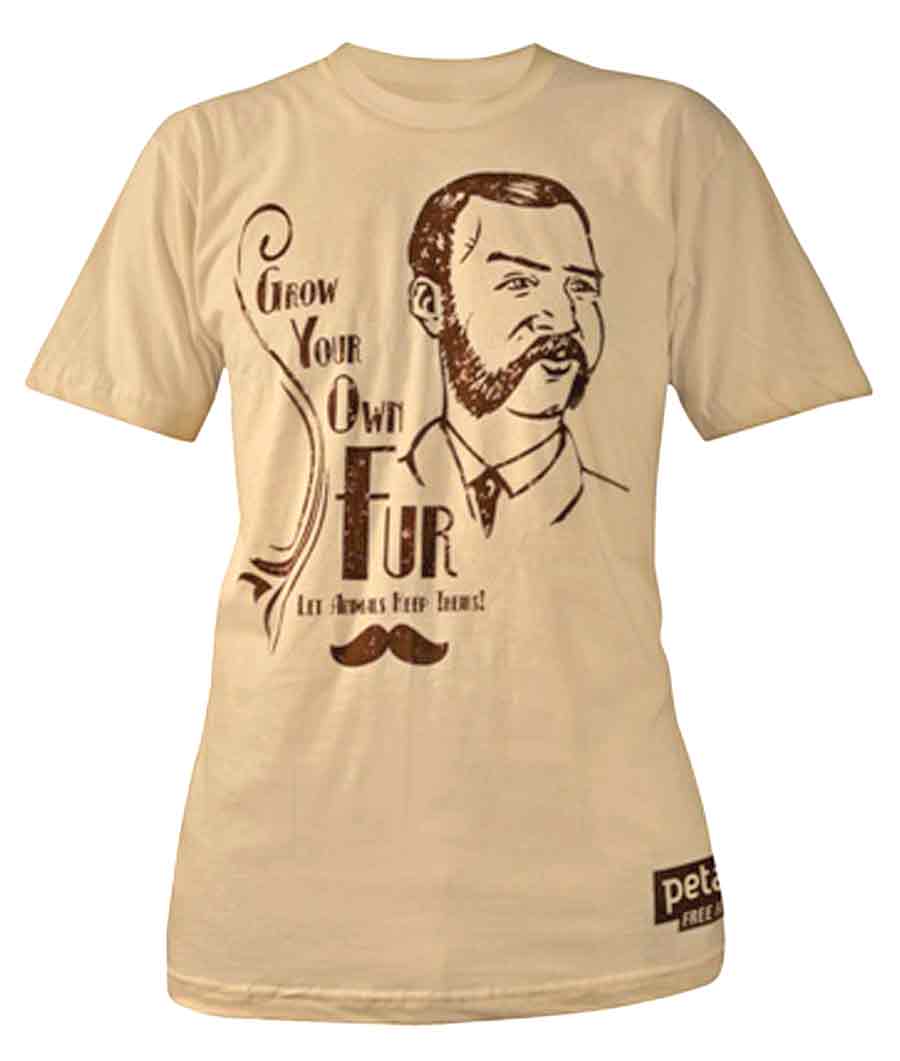
The wise ones in the 18th century must have had a moment of insight, when they stated that ‘The moustache maketh the man’. And today when most men have shun the moustache, the handlebar moustaches are back in style both for guys and girls alike… but is another avatar started with PETA’s ‘Grow your own fur campaign’ in 2010 which featured a T-shirt as well as free moustache stickers and leaflets that teenagers used to spread the message that “unlike facial hair, real fur is ripped from the bodies of still-breathing animals who feel pain and fear, just as we do,” in turn also encouraged them to sport a ’stache to make a statement against the cruel fur industry.
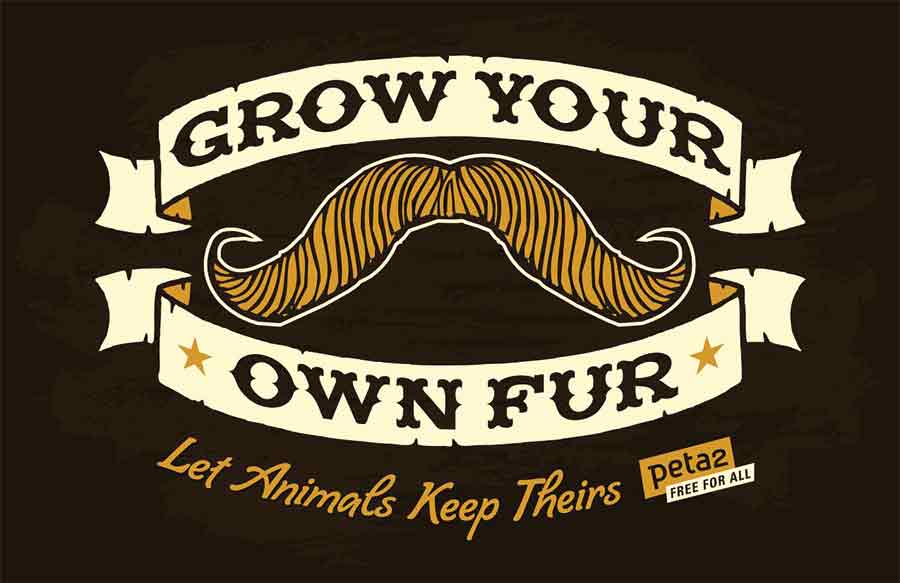 Bringing a quirky smile from a thoughtful campaign then when people had stopped buying unnecessary fashion, the trend reappeared with the iconic Movemeber movement in 2011, a moustache growing charity event held during November to create global awareness for men’s health issues. Followed by its partnership with TOMS shoes, released like a fashionable item was the first embroidered moustache on the brands limited-edition slip-on cast in finely woven twill, which not only caught the eye of many men, but also a lot of bold fashionistas.
Since then the moustache has transcended into apparel, accessories and even home décor, with brands like Vero Moda, Zara, H&M, Topshop, sporting the popular ‘stache print on T-shirts, leggings, dresses and cardigans. Selling to the masses are also E-commerce websites like Etsy.com and Modcloth.com which pinned on the cheery print, with majority of their merchandise showcasing it. We had it on shoes, bags, cushions, as neckpieces, rings and as graphics, but what is equally worth noticing is the fact that the trend is still making its rounds becoming an item of mass fashion, the reach of which has not only remained international but also has become domestic with young designers promoting the concept with brands like ‘Mooch’.
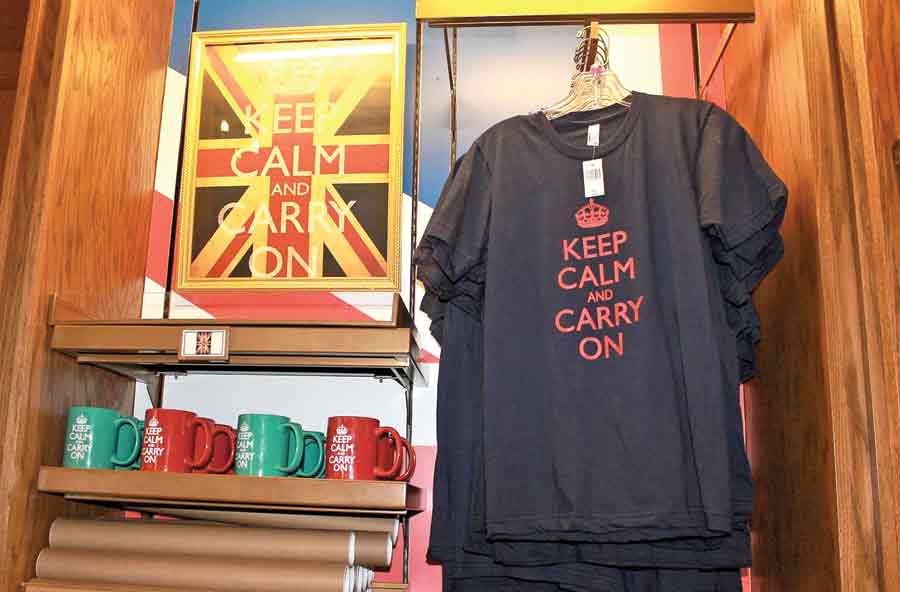
Why only the moustache, the recession also became the sole reason for the legendary ‘keep calm’ poster to come back from its archived times of the first world recession, and hit it again with the masses, which was spotted on T-shirts, hoardings, bill boards, messages, and reinvented with personalized tag lines like ‘Keep calm and be happy’, ‘Keep calm and smile’, and endless variations by thoughtful minds, which helped boost the sales of merchandise like never before.
Becoming the slogan of 2012 was also ‘YOLO’ – a highly popularized acronym, short for ‘You Only Live Once’, which is suddenly everywhere on shirts, hats, bumper stickers and all over social media. Dated back to the 1800s while the concept was first published in The Lady’s Magazine and Museum urging readers to behave cautiously to avoid contracting a deadly disease, the slogan has reappeared in history time and again with a minister in Scotland in 1858, using YOLO to encourage listeners to be morally upright, and said, “We cannot live always: We can only live once”, followed in the 1900’s and finally in 2004 like YOLO Clothing Line, created by Adam Mesh from season three of The Average Joe, who stated at his launch, “When I created the word it was meant as inspiration to live life to the fullest.”
Taking the concept forward once again in downturned times, looking for an escape and a happier and carefree way of living life, the youth has taken up the spirit of the logo as a reflection of their lifestyle, and not let it be normal clothes, but they are ready to spend on a YOLO item that they relate to. Identifying this trend, brands like Walgreens and Macy’s had YOLO merchandise campaigns which lead to a rise in their sales while the other regular items were slowly moving out at their own pace. Today, the YOLO merchandise is a message in its own, that reflects not a trend but a mindset making it a staple item of choice.
The sales and the demand of crafty products is yet another outcome of recession, where businesses are looking at improving their cultural crafts and promoting them as authentic techniques for the outside world. The very reason that tribal today is moving beyond Africa and touching the boundaries of south American tribes is to support their dying village crafts which include trends like Navaho prints and patterns, Peruvian colours and weaves and also the skilled textile techniques coming from Mexico. The Indian subcontinent too remains to be in focus owing to its craft cluster bagging more and more orders for this strong tie and dye and batik techniques.
Last but not the least, kick starting another season will also be a whole new look, a micro trend of ‘retro’, soon to be taken over by the fashion world globally. Backed by recession, the trend has found a place in people’s heart, essentially because of the nostalgic vibe it brought with it. Serving as an ideal antidote for a generation, which is constantly seeking individuality and inspiration, the most visible examples of retro coming back in fashion has been rise in sales of thrift stores and second-hand shopping outlets and also the PINUP style, as it is called, hasn’t been out of trend for almost about two years now, with designers conceiving their entire collection around the look.


 Bharat Tex Special Report 2026