Always on the lookout for a new twist to old product categories, the international home décor brands are increasingly making their collections in denims for categories such as sofa/chair upholstery, curtains, cushions, table, kitchen and bath linen, which are finding favour globally. Brands such as Diesel, Ralph Lauren, Tommy Hilfiger, among many others are progressively including denim fabric in their home collection, as it has an edge over other fabrics due to its timeless colour, fashion connect and responsiveness to washes and finishes to create different looks. From India, Amber Home, Mumbai has caught on to the trend and started manufacturing kitchen coordinates in denim fabric around six months back with great success.
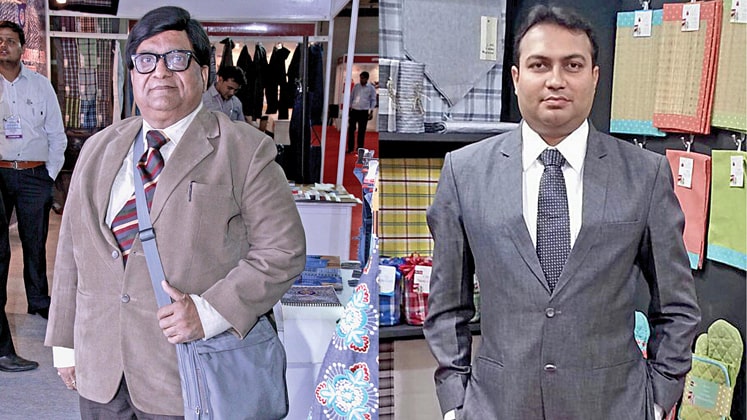
For Amber Home, understanding the market is critical to its product development efforts as certain products, such as apron, are changing rapidly from being a necessity to a fashion statement in European countries, which is amongst the biggest market for the company. Through this pro-active approach, ever evolving range of product categories and focus on niche products in particular, the company is lauding appreciation from its existing buyers. Also, the support from its business associates such as Modern Denim Ahmedabad, which has been associated with Amber Home for the last 15 years for terry towels, has helped to explore new vistas. In fact, it was Modern Denim that mooted the idea of venturing into denim kitchen coordinates, as Kiran Panchal, President-Marketing, Modern Denim, was familiar with the expertise and strength of Amber Home in Kitchen coordinates, and therefore suggested manufacturing these products in denim fabric. “We were trying to figure out what could be the new application of denim fabric and who can execute it. Knowing Amber Home and our deep association with them motivated us to suggest them about this,” informs Kiran.
Amongst the first to make their home collection in denim from India, the company is deriving great returns from the same. “Though denim home products can be seen in Europe and the US, but we didn’t find anyone making the same in India. Naturally it was an opportunity which we tried to grab. We got free fabric for sampling from Modern Denim and displayed the collection at Heimtextil, Frankfurt for which we received a very good response from European buyers and even got three orders with average price of US $ 4 per set,” shares Jigar Shah, Director, Amber Home. The partnership between both the companies has further strengthened for fabric sourcing and product development through this joint effort.
The idea of making kitchen coordinates in denim has also given wider options for those buyers who are reluctant to try new products, as they are unsure how the market would react to them. “We have noticed that some buyers do appreciate newer or different products but are not sure about their market acceptance, so do not take the initial ‘risk’. However, now that we have good response from the market, we and our buyers are sure of increased demand in the future. Our expectation is at least 40 per cent more demand for the same in coming months,” claims Jigar.
“Bed linen, curtains, various designs in tapestry made in denim fabric can be innovative options in the future. We have wider width looms and have recently sent some samples to the US of 126 inch width fabric as wider width is not being preferred in our core European market. For the bed linen, it will require different finishes to give it a softer feel.” Kiran Panchal, President-Marketing, Modern Denim
Internationally, Diesel has mastered the art of reinvention through its home collection including armchairs and sofa upholstered with denim, while Ralph Lauren has initiated denim dinnerware while manufacturing blue calico plates, denim florals and light blue chambray coloured pottery. Also, Bed, Bath & Beyond in its bath collection has introduced denim shower curtains whereas Tommy Hilfiger has introduced stylish flair bed comforters which did very well in the market. Taking it further is the famous Swedish chain Ax Stores, which has gone a step ahead and tried out denim bedding, whose developments are unique for its feel and look. Fuelled by the increasing market demand for denim home collections, the company is looking to show the collection to more buyers, in anticipation of good business. Since it began production about six to seven months ago, Amber Home has already executed orders worth US $ 100,000 in denim.
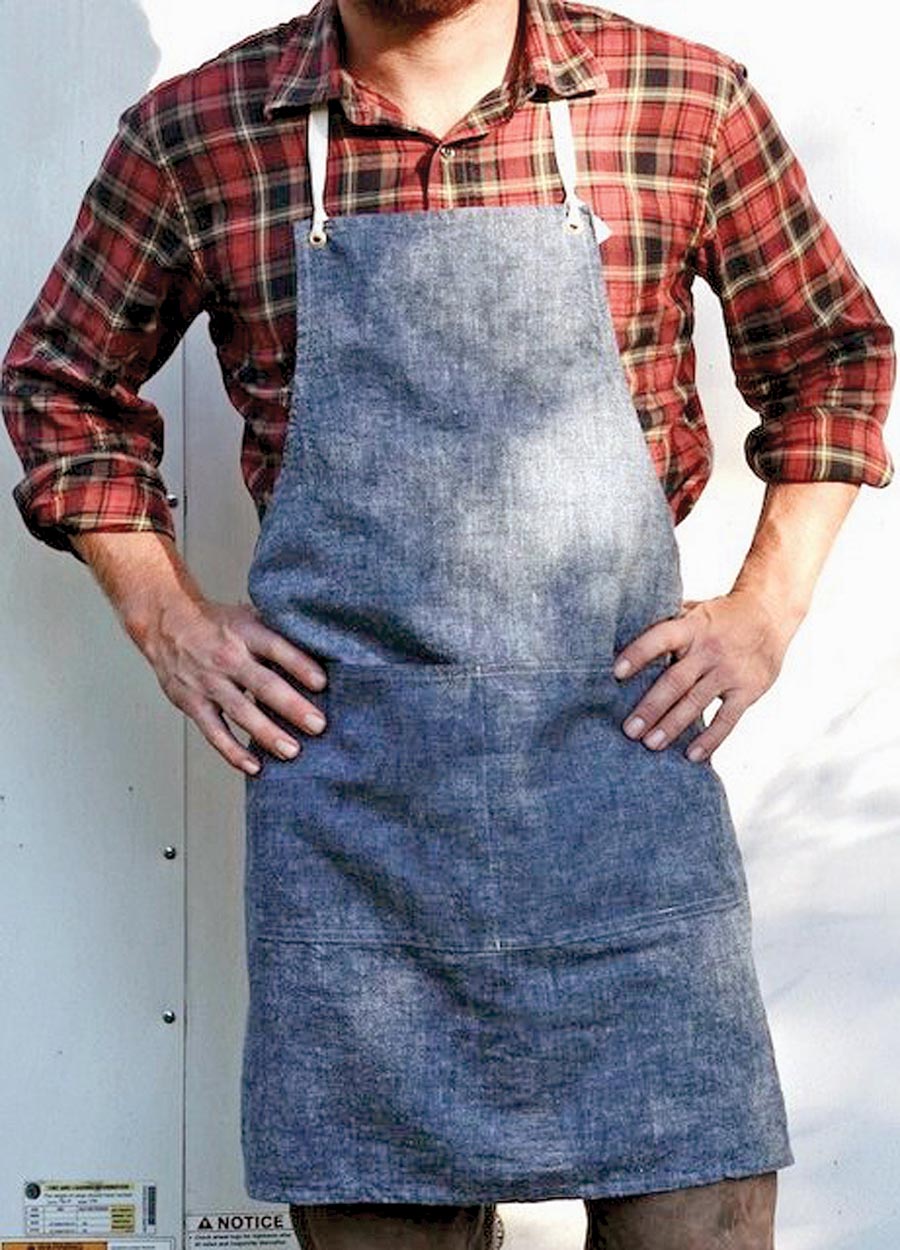
Moreover, the improving market sentiments in Europe and increasing use of open kitchen has also provided a much needed impetus to the growing demand of denim based kitchen coordinates. Made in denim, the company’s aprons are attracting both the genders, while other related accessories such as oven mitts and gloves are getting a similar boost. The company uses rivets and patches to add value in these products and since these products made from denim fabric add only a little cost compared to products made from normal fabric, customer pays it happily for the newness of the product. According to Jigar, the company manufactures its home products from 100 per cent cotton, while the new denim home textile products are made from the same denim fabric which is used in apparels. In terms of product development on its existent range of products, Amber Home is willing to engineer its products as per the buyers demand.
With a total turnover of US $ 3 million per year and looking towards at least 20 per cent growth, Amber Home apart from exporting kitchen coordinates and terry towels, is also supplying to Reliance Retail, Aditya Birla More, Tata Star Bazaar for their high-end home products and European style curtains, which are manufactured in the company’s three production units. “We have created an integrated supply chain because we can’t waste time waiting for raw material or increase cost by sourcing from faraway places. So, if the fabric is coming from South India, we consume that in our Madurai factory, whereas fabrics from Ahmedabad and Mumbai are being used at our Bhiwandi factory. Fabric for the Sholapur factory is manufactured in the unit itself. This way it is easy to control, coordinate and save cost and time,” concludes Jigar.



 Bharat Tex Special Report 2026