Fabric purchases conventionally means dropping into a physical outlet to choose yards of fabric. Be it the customer or the exporters for international garment houses, bricks-and-mortar has always dominated the technique of sourcing fabric. However, few renowned fabric manufacturers were already redefining the way fabric was bought way before the pandemic by being digitally omnipresent, their ways of doing business becomes more relevant in the new normal. Let’s hear it from them as they give us their opinion on buying fabric online…
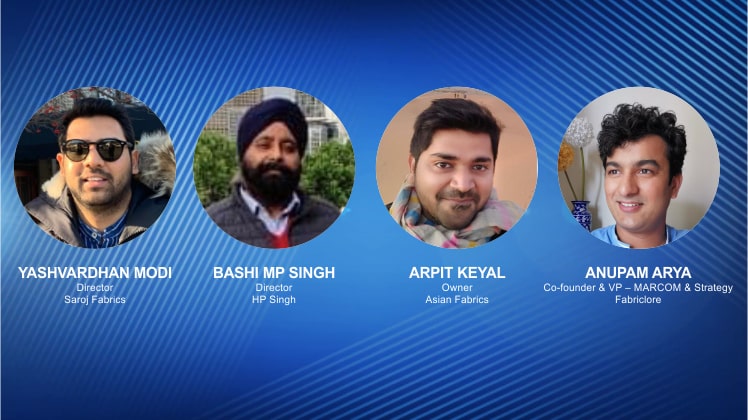
“Touch and feel has always been a concern for buying fabrics online. Also, colour contrast is difficult to maintain online. A lot of times, there are colour variations on what you see online and the physical product. Even with great quality cameras being used for product shoots, there is always a slight difference in colour. Compared to online, sale of dyeing of RFD (Ready for Dyeing) fabrics is in high frequency in offline retail market. As this process is outsourced by most retailers and stockists, it’s difficult to set up the same process online seamlessly. We still do dyeing of fabrics in different colours for our online buyers on request, but that is all taken care of offline,” said Yashvardhan Modi, Director, Saroj Fabrics.
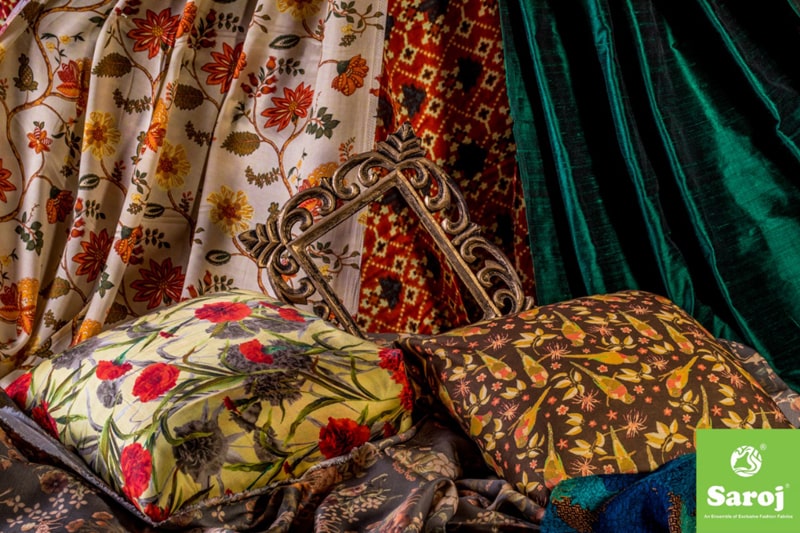
Saroj has been selling fabrics online for about 2 years now and through social media for about 3.5-4 years now. Alongside highlighting the drawbacks of selling online to the industry, Yashvardhan also pointed out the positive facets of procuring fabrics online, “Manufacturing houses and export houses or any other B2B fabric procurement agencies look at your online media presence as a catalogue and would work with enquiring and sampling initially. You have to keep your brand presence not only on your own website, but other B2B platforms too where they can keep seeing your name appear a few times for them to come around and actually successfully work on a deal. Being prompt with your responses is a must. Every bigger apparel manufacturer will initially try and contact you via e-mail or LinkedIn, for some even Instagram DMs! You can get an enquiry on any platform you are based on, hence you need to be quick in your responses and have easy access to all platforms. Bigger houses have larger quantities, hence price becomes a great factor while closing the deal. Being competitive with the right price and giving the right product information are significant.”
Also Read: It’s not easy selling apparels digitally
Altering the ways of doing business
“The concept of sampling fabrics is an all-inclusive package and the exporters or the buyers from manufacturing houses not only vouch for a fabric upon touch-and-feel, but they also choose a fabric manufacturer basis the treatment or the add-on benefits they are provided. The personal touch has always been the key to closing successful business deals. However, post-COVID-19, we have started getting an influx of orders online and exporters are choosing fabrics and asking us to send it to them for sampling. This trend was their selectivity in the pre-COVID-19 world, but I am confident that it will rise in the time to come,” mentioned Bashi MP Singh, Director, HP Singh. HP Singh Fabrics is a world-renowned name today and is known for many firsts within the fabric manufacturing domain.

Noticing the influx of online buying, Bashi also underlined that online buying is meritorious both in terms of saving time and cost for exporters, who can now select the fabrics they want at their convenience and simply order in a click. But at the same time, he highlighted that the buying decision is way more impersonal when shopping online, and in case of specialised request, there is a turnaround time for the resolution of the same. “On the other hand, at a store a dedicated person can guide the buyer at every step with whatever information they require to make the buying more pointed,” he added.
Online and going digital has been the need of the hour for a few years now. But brands waited their chance and those on periodic offline spree kept online exploration on a backburner. However, some brands like Asian Fabrics realised the potential of the digital domain and expanded into this space about 6 years back. This 20-year-old fabric company already had a reputed follower and consumer base when they expanded their horizon online. But they were keen to offer more convenience to their customers and the digital touchpoint helped them do that beautifully.
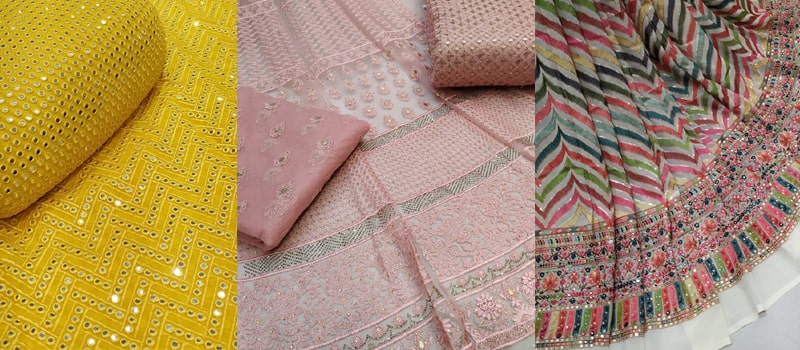
Speaking about the recent scope for online trade, counting in the COVID-19 situation, Arpit Keyal, Owner, Asian Fabrics, mentioned, “The online sales have soared greatly and we are expecting further rise as more people know about our products. The customers not being able to touch or feel the fabric before buying had always been a drawback. In fact, it is a drawback that a lot of sellers face with their commodities. We try to overcome that drawback by being as descriptive as possible in the summary of a fabric. In a bigger picture when selling to B2B clients, we can assure buying online saves the apparel house or agent a lot of time. Time and ease of access are two important factors for manufacturing houses. They may sample a variety of products online, and upon finalisation, may place an order for the product they want in bulk. This is both convenient and time-saving for the customer.”
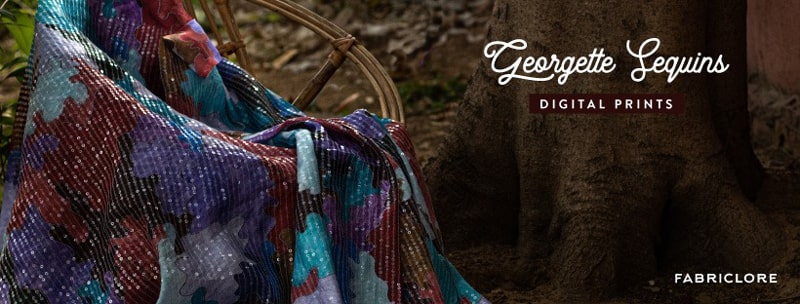
Talking about the aspect of catering to online bulk orders, Anupam Arya, Co-founder and VP – MARCOM & Strategy, Fabriclore, told us, “Competitive price is still a big challenge when selling online to clients looking to purchase on bulk. However, undoubtedly the client can browse a bigger catalogue when they shop online, the refresh rate for collection is higher and the variety is just there at your fingertips. This way, the online interface of a fabric store like us who is only available online becomes more of a portal for easy referencing. Of course, personal attention and query resolution will be key when placing bulk orders. Thus, apart from impeccable customer support, we also offer store credit as an option.”
Counting on profits
In a similar vein, Yashvardhan too stated that they are expecting the online sales to increase by 30 to 50 per cent in the coming months. In terms of market strategies, he mentioned that they use a lot of online marketing techniques, like geotagging and location benefits to come under the radar of prospective apparel houses. “We have also positioned ourselves on a few B2B platforms like Trade India and IndiaMart majorly for Indian buyers and on Alibaba for international outlook. We target our marketing to specific locations having demand for products that we have, keeping our SEOs and SEMs in place. These platforms and tech help us keep in reach to the market domestically as well as internationally. Added to this, our centralised warehousing approach allows us to keep everything in one place, it’s easier for faster sampling and operational guidance. Along with leveraging these different online platforms, our company has SMEs (Subject Matter Experts). These are fabric business development experts who have accurate knowledge in providing the right information and product details to B2B clients”.
While tagging the cost quotient with online retailing, Arpit Keyal said, “Having a foot in both online sales and selling physically through our store, we can justifiably say that the cost of selling physically far exceeds the cost of selling our products online. We do not have a buffer time for physical customers. The entire process of selling through the store is hands-on and to see an increase in sales, we’d require a simultaneous increase in infrastructure and services. On the other hand, the traffic we encounter while selling products online may be tackled comfortably by a small yet skilled team. We have the convenience of a buffer time to follow up with the order and the possibility of keeping an accurate data of the trending products. I’d say selling online is the future, as it saves the humongous infrastructure costs for the suppliers too.”
Making a point about the logistics factor in the post-COVID-19 world and how that may add on to the expenses for fabric retail, Yashvardhan commented, “Having the right logistics partner is essential, right prices and platform integration are needed. Post-COVID-19 logistics costs have increased by 25 per cent. But having an online store in these times compared to the offline overhead costs is still justifiable as you can really get better tech costs and can lean down your infra costs by having a centralised warehouse approach…. specifically taking account of the exceptional rent prices for bricks-and-mortar in cities like Mumbai.”
Also Read: Dollar Industries’ path to become a Rs. 2,000 crore company by 2024





 Bharat Tex Special Report 2026