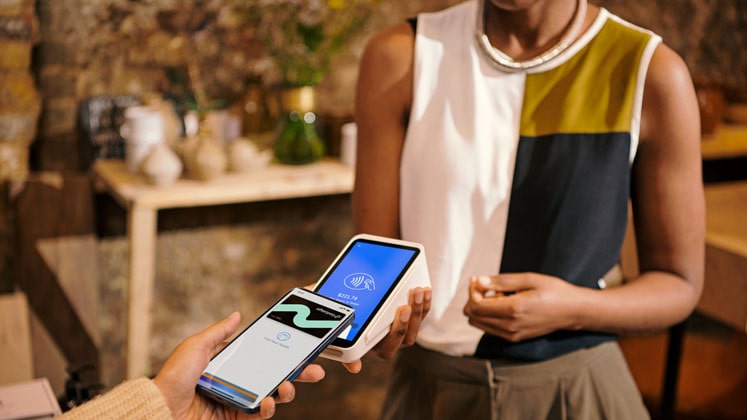
BNPL (buy now, pay later) services are gaining more traction among older users as these services become mainstream. According to the report released by Square and Afterpay, the number of Afterpay orders from Gen X shoppers increased by 16 per cent compared to the previous year, while orders from baby boomers went up by 12 per cent.
Older demographics are utilising BNPL services for lifestyle-based purchases, such as those from department stores, food and beverage retailers, and categories like outdoor equipment, luggage, toys, and electronics. The report also revealed that Afterpay orders exceeded US $ 5.5 billion in the first quarter of 2023, which is approximately triple the amount from the same period in 2020.
Alex Fisher, Afterpay’s head of revenue, stated that budgeting through BNPL is becoming the preferred payment method for consumers when purchasing items and services. This increased adoption among older users coincides with economic factors like managing household budgets in the face of high inflation. The Consumer Financial Protection Bureau reported that individuals with incomes between US $ 20,001 and US $ 50,000 were the most likely to use BNPL services, along with those who heavily utilize credit cards.
As a result of this growing trend, BNPL providers are experiencing significant growth. For example, Splitit, a white-label payment service, reported a 34 per cent year-over-year increase in merchant sales volume in the first quarter, reaching US $ 138 million. PayPal also witnessed a 160 per cent year-over-year rise in the overall global volume of its BNPL transactions, amounting to over US $ 20 billion in the previous year. Research and Markets predict that the BNPL market will continue to grow at a compound annual growth rate (CAGR) of 24.3 per cent through 2030.
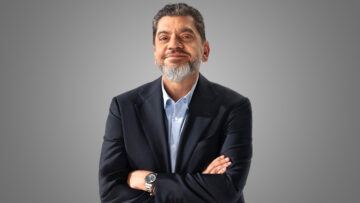
Mariano Gomide de Faria, founder, and co-CEO of e-commerce platform VTex, which integrates BNPL into retailers’ offerings, highlighted that BNPL appeals to various demographics seeking financing options for their purchases.
Gomide de Faria suggested that the increased adoption of digital-based BNPL services in the U.S. aligns with economic uncertainty. Consumers who are averse to accumulating credit card debt may find interest-free installment payments more attractive, especially in an environment of high-interest rates and inflation.
As BNPL services continue to grow, Gomide de Faria believes that the U.S. may introduce regulations for these companies, similar to those implemented in the United Kingdom and the European Union.