Recycling and upcycling are not new trends. While India had just about started picking up the same, there came the pandemic! Even though COVID-19 has triggered a new consciousness among brands and consumers, there was a list of brands that rest their full brand philosophy on recycling. These first movers navigated their fabric wastes meaningfully to stay as conscious at the production side as possible.
“We, at Doodlage, upcycle factory waste into short limited edition collections. We recycle post-consumer waste and post-cutting scraps into new fabrics to create seasonless well finished garments made for longevity. What we waste is segregated and converted into accessories, soft furnishing products and paper to make our packaging or stationery products. All our pieces and fabrics are made at ethical production units, and our packaging is designed to be plastic-free. The idea was to make waste look good, aspirational and accessible to a young millennial audience. As our production scaled, it was important for us to not become a part of the problem, and to manage our own waste was essential,” Kriti Tula, Creative Director and Co-owner, Doodlage, informs Apparel Resources.

Putting scraps to good use
Priyanshi Jariwala, Founder, The K Cult, is also of the same opinion that waste needs to be put into good use, and making good use of her sister Priyanka Jariwala’s waste management education, both the founders had a better approach towards their in-house fabric waste. “We have been conscious of our waste since the start, and for us, it was always about justifying what we were selling to our customers as part of our ‘from the waste’ line. We always kept the pricing very affordable – within Rs. 500. Also, we never stopped thinking creatively in terms of the product range. From using our fabric scraps to design chairs’ back rests to scrunchies to masks now, we have not stopped thinking out of the box,” maintains Priyanshi.
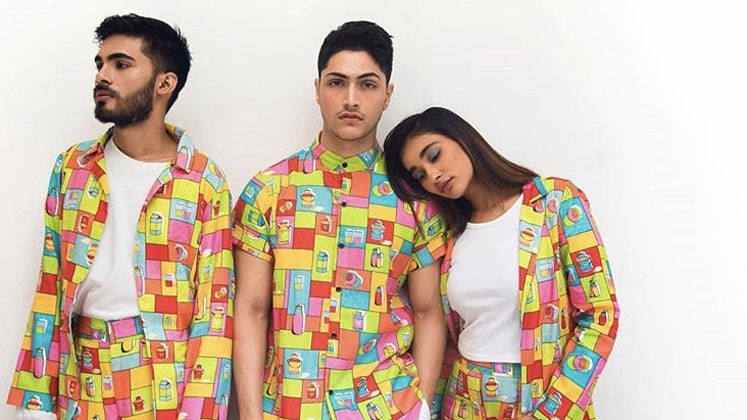
Kriti highlights that ‘made from waste’ was a lot more subtle conversation 5 years back when they started Doodlage. Both Priyanshi and Kriti mention that using their in-house fabric scraps as well as collecting and reusing waste from local sources have always been essential parts of their respective brand identities from the beginning.
“We have systematically built a dialogue over 5 years to be more vocal about everything we do today, slowly gauging consumer acceptance and growing organically. Media attention has definitely added to acceptability and awareness amongst consumers,” says Kriti.
Meaningful at every step
Meghna Kishore and Barkha Bhatnagar Das, Co-founders and Directors, Greendigo, a GOTS (Global Organic Textile Standard) certified kidswear brand believe in small batch manufacturing. In the context of using fabric excesses, Meghna mentions, “We work with GOTS-certified units and often pick up the excess unused fabric that these factories are left with after completing large orders for other clients. It is a known fact that deadstock fabric is either dumped in landfills or incinerated, causing long-term pollution and environmental damage. Working with deadstock fabric from bigger units has proven to be a win-win situation – we can work with smaller quantities, meet their order quantities and do our bit to conserve the planet, while the factories are able to monetise deadstock. As a brand, we are committed to UN SDGs, and we strive to minimise our impact with every process that we undertake. The fabric scrap from our production processes is picked up by self-help groups, who in turn, use these to make knick-knacks sold by them for a living.”
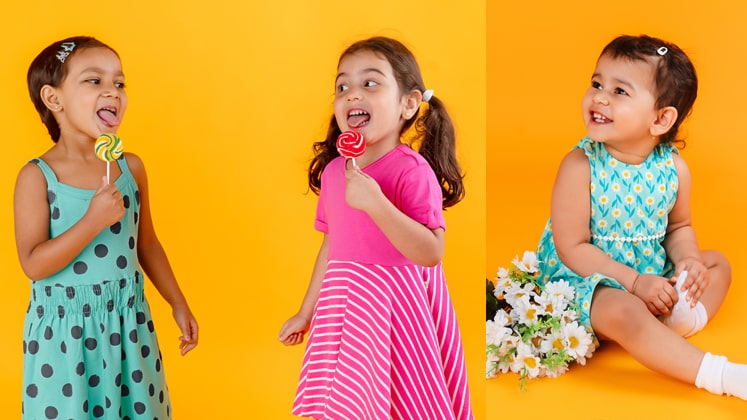
Just like The K Cult, Greendigo is also able to bring in variety to their product lines not only in terms of the choice of clothing available for consumers, but also for extending the fabric waste usage to create a bouquet of related products such as cloth bags, blankets, face masks, etc.
Making waste interesting
Designer Anavila, in the context of how she has been able to channelise her production’s fabric wastes over the years, mentions “The textiles we work with are all special, as they are natural textiles created by using slow, sustainable processes. It feels criminal to scrape bits and pieces of these fabrics. Our masters and tailors are very careful while handling these textiles during the production process. Scraps are collected and stored for future usage. We use these fabrics for various products.”
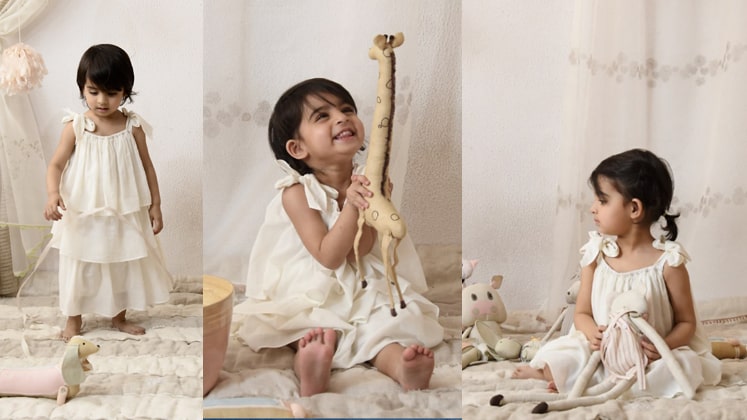
“Our handmade toys are a prime example of meaningful usage of this. Our entire accessories line is based on these textiles and we also use them for our trademark khatwa work. These products are very special and our customers value and appreciate this. We started by creating Busa ‘the little sister’, a textile sari doll which little girls can play with and dress by themselves. This not only introduces them to non-toxic, sustainable toys but also brings in a familiarity with the sari itself. Later, we introduced ‘Busa and friends’, a series of familiar toys like dogs, cats, rabbits, etc. We are working on some more ideas for the coming seasons,” she adds.

Kriti highlighted that the pandemic has given consumers the chance to become more aware about the problem of wastes; they are now ready to get involved and make smaller changes towards adopting a more conscious lifestyle. Akanksha Kaila Akashi, Founder, REFASH, gives us the retail and consumer acceptance perspective on products made using waste, “We have definitely seen a hike in traction since COVID-19… there are overall more conversations happening around sustainability and upcycling. There are more consumers asking the right questions instead of just buying products without knowing how they’re made, who made them, etc. This is how consumers evolve to become more conscious in their purchase habits. It’s not like they’re only being conscious and mindful if they buy an upcycled piece, it is more important that they take an informed decision… that they know the material the product is made with. They understand that the brand is following ethical practices of production, they really like the product and know that they’ll wear it for a long time and not discard if after a season. All these points make consumption choices more conscious.”

REFASH, as a retail platform, showcases wide variety, creativity and uniqueness that upcycling represents. “It’s definitely not an easy sell. People do have a lot of presumptions when we talk about upcycled products. However, that is slowly changing now as we communicate correctly with the consumers and also educate them about these issues. With respect to brands, quality is a major criterion in our selection process; once we onboard a brand (after understanding their ethos, values, design process, sourcing, production, etc.), we do a quality check to see firsthand the actual product and suggest changes, if required. Even though these products are made with pre-loved materials, each designer ensures that the materials are tested for quality before being made into new pieces and that they will have a long life.”