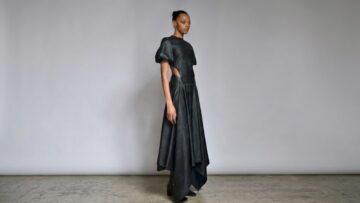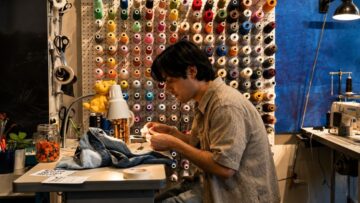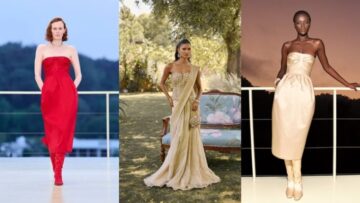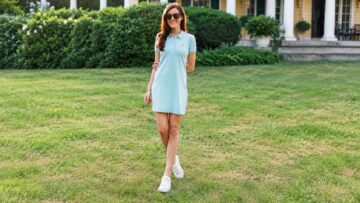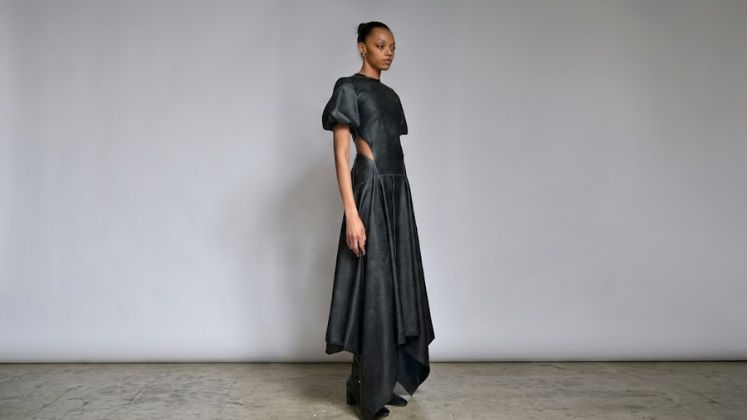
Leather took a softer, more fluid direction on the A/W 2026 runways, with several major houses using supple tannages and lighter construction techniques to give the material the drape and ease typically associated with cotton or silk, moving away from its traditionally structured character.
At Tod’s, leather handkerchief dresses were designed to move with the fluidity of fabric, while Bottega Veneta applied a similar approach to outerwear, creating slouchy tunics and roomy raincoats in supple leather. The shift was also evident at Hermès, where Véronique Nichanian, in her final show as the house’s menswear artistic director after 38 years, presented a tailored suit in ultra-soft embroidered calfskin alongside shearling and featherweight wool-silk faille.
In India, the movement is currently more visible in leather accessories than on the runway. Hidesign continues to produce handcrafted, lightweight leather bags, while Da Milano has incorporated softer, Italian-inspired construction into its accessories. Several newer handbag brands are also positioning lightweight leather as a comfort feature. On the ready-to-wear side, designers with established expertise in leather, including Rajesh Pratap Singh, could help shape how the trend develops, particularly across classic categories such as biker jackets, bomber jackets and rugged apparel. The Label Jenn also offers genuine leather jackets, skirts, belts and other fashion pieces.
Overall, the shift points to a broader evolution in leather design, with comfort, fluidity and versatility becoming increasingly important alongside the material’s traditional durability and structure.