Global apparel brands are repositioning garment repair as a customer engagement and loyalty strategy rather than a peripheral after-sales service, as younger consumers gravitate toward resale, thrift and sustainability-led shopping habits. Levi Strauss & Co., Uniqlo, Zara and Primark are among the brands that have expanded repair-focused initiatives in recent months.
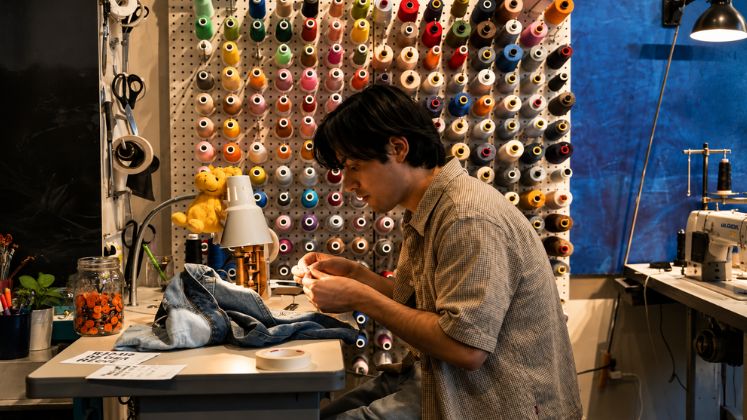
Levi’s has introduced hand-stitching classes teaching younger consumers practical skills such as sewing buttons, hemming, patching holes and repairing tears, building on the brand’s existing repair and customisation services across hundreds of stores globally. The initiative responds to a specific gap: Gen Z consumers are increasingly comfortable buying second-hand clothing but often lack the basic skills needed to maintain or extend the life of those garments.
For retailers, that skills gap is being read as an opportunity; repair services keep brands embedded in the consumer journey even when a shopper isn’t in the market for something new. The shift also reflects a broader change in how younger consumers approach fashion, as second-hand clothing gains traction among buyers seeking to lower their environmental footprint while managing spending amid economic uncertainty. Rather than prompting a replacement purchase once a garment wears out, brands are positioning themselves as partners in keeping existing clothing in circulation longer; a stance that also responds to mounting scrutiny of the industry’s waste footprint.
Industry analysts note the economics remain delicate. Mending is labour-intensive and must be priced low enough to draw customers in, creating tension between service viability and margin. Consumer behaviour is similarly mixed as fast fashion continues to draw younger shoppers on accessibility even where it conflicts with their stated values, even as the same cohort increasingly turns to resale and repair channels alongside new purchases.
The trend extends beyond the brands named above: several fashion and textile companies have jointly called on regulators in North America and the EU to introduce tax policies that make repair and resale services more commercially viable, signalling that industry appetite for repair-as-loyalty-tool is becoming a collective, not isolated, strategy.
As Indian D2C and fast-fashion players increasingly court Gen Z consumers who show parallel interest in thrifting and sustainability, repair and mending services offer a low-capex loyalty lever although the labour-cost economics flagged internationally will need local calibration given India’s own wage and retail-margin structures.