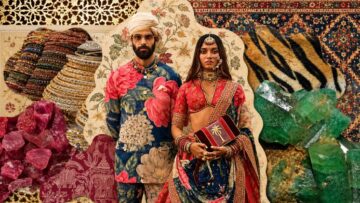
Jaipur-based Injiri by Chinar Farooqui has launched a new Herbarium Summer collection that translates botanical memories into thoughtfully crafted garments, handwoven in West Bengal with motifs drawn from pressed leaves, root systems and desert botanicals.
Founded on the idea of “real India,” Injiri is rooted in textile storytelling, zero-waste principles, and long-term collaborations with local craft clusters and master weavers across the country. The brand places textile development and the responsible use of materials at the core of its design philosophy, embracing simplicity while working within the inherent possibilities and limitations of traditional weaving techniques. Today, Injiri is stocked by leading retailers worldwide, with its celebration of India’s living craft traditions resonating with a global audience that values artisanal, slow-fashion design.
Its collections mainly feature artisanal practices such as Jamdani, Bandhani, Kutch weaving, and regional folk embroidery, while embracing understated silhouettes that place the textile and its craftsmanship at the centre of the design narrative.
Herbarium emerges from Farooqui’s personal archive of leaves, blooms and plant fragments, built up over years of travel. Rather than reproducing these forms literally, Injiri channels their textures and structures into weave, embroidery and silhouette. Pressed leaves become woven motifs, root systems inform intricate thread-work, and the folded geometry of desert plants shapes garment construction. The overall palette leans toward faded, sun-bleached tones, paired with airy layers and relaxed silhouettes that evoke a slower pace of dressing.
The craftsmanship forms the foundation of the collection’s positioning. The textiles are handwoven using the labour-intensive Jamdani technique, renowned for its intricate motifs and exceptional precision. Since 2012, Injiri has worked closely with craft clusters across India, fostering long-term relationships with artisans rather than relying on transactional sourcing. Produced in limited batches, Herbarium prioritises artisanal craftsmanship over mass-production timelines, with each garment distinguished by subtle variations in colour, pattern, and texture that underscore its handmade character.
Herbarium illustrates how Indian craft-led labels are building brand narratives around technique rather than trends. By centering the collection on Jamdani’s intricate supplementary-weft weaving and small-batch production, Injiri reinforces the growing role of Indian heritage textiles in the slow-fashion and artisanal luxury markets, not as decorative references, but as the foundation of the design language. The collection also reflects rising demand for weaver-led collaborations, where craft clusters are treated as long-term creative partners rather than seasonal suppliers.