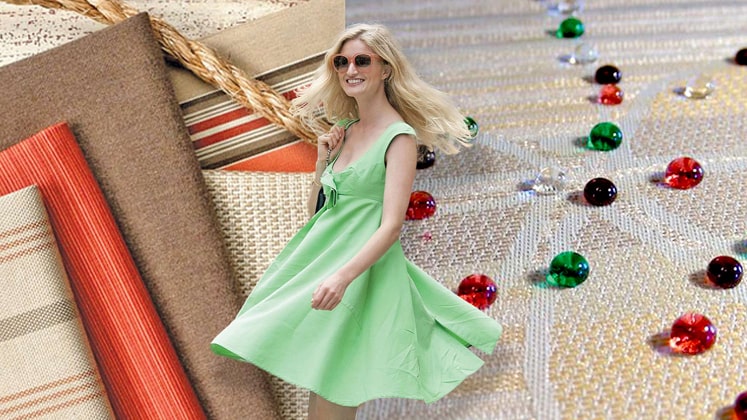
With developments for next summer at the sampling stage, product development teams are choosing fabrics which not only look aesthetically pleasing but are also comfortable and relaxing. Today, fabric finishing techniques not only make garments and other textile products suitable for use but also make fabrics durable and multifaceted. Owing to the growing demand, many fabric finishing companies have started to market their innovative fabric finishing concepts in aesthetic as well as functional segments. Many fabric finishing techniques have now become front runners and are being seen as the pre-requisites for summer 2016 collections…
Often fibres in textile substrates are deficient in one or more properties, or improved properties are desired for the substrate for better performance. Textile finishing provides a method whereby deficiencies in the textile is corrected and specific properties are introduced; be it through physical finishing techniques (dry finishing processes) or chemical finishing methods (wet finishing). Nowadays, we are moving back into the times when clothing was more about being relaxed and to facilitate greater movement and workability, therefore a need for shrink-proof, softer, stiffer, water-repellent, crease-resistant or a combination of these properties has fomented.
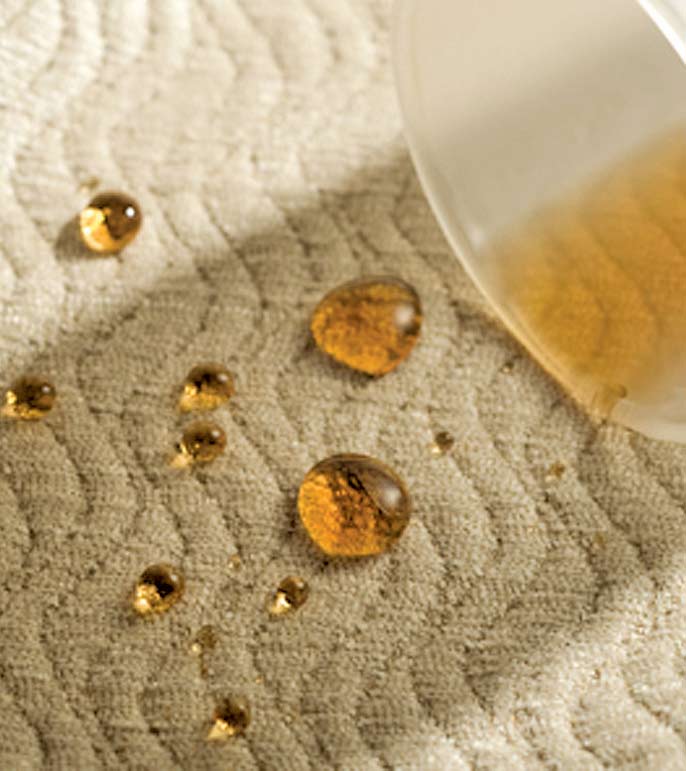
Textile finishing spreads across a vast plethora of categories but when concerned with endproducts, it can be usually categorized into aesthetic finishes and functional finishes. The former modifies the appearance and/or hand (feel) of fabrics, while the latter improves the performance of a fabric under specific end-use conditions.
Functional Finishes
Special finishes or functional finishes are those finishes that are applied to the fabric that makes it suited for specific uses. Various functional finishes like waterproof finishes, water-repellent finishes, flame retardant finishes, mothproof finishes and anti-static finishes are being used in variety of segments like, lingerie, sportswear, interiors, upholstery etc. Some common finishes like waterproof and anti-pilling finishes still continue to be the favourite among the buyers. These finishes play an important role on textiles by providing safety and giving escape time from potential hazards as well. Clothes designed to be worn on occasions are rarely developed on fabrics like cotton, and if fabrics like silk and taffeta are finished with retardants, the chances of prospective threat is reduced.
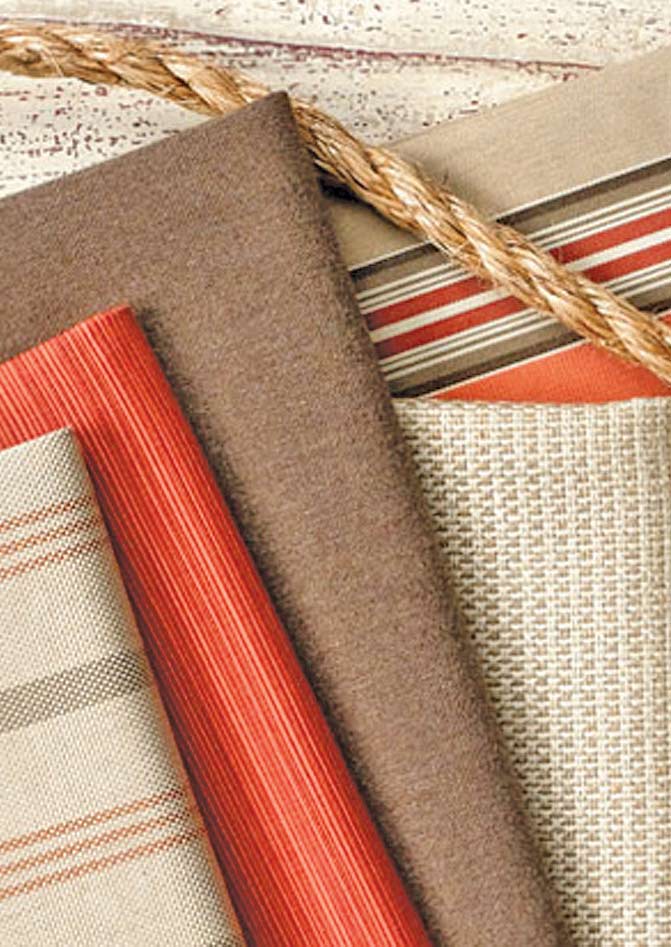
With rising temperature, the sweating tendency also increases; and be it for lingerie or outer garments, fabrics need to be treated with anti-bacterial and anti-odour finishes to reduce growth of germs and bacteria. An innovative creation by the Versatile Enterprise Ltd. consists of a fabric which when rubbed gives out fragrance. Nandkumar Badlani, Owner, Ultimate Creators, talking about the finishes his company is using, said, “We are into manufacturing of ladies undergarments, bras, panties and swimwear. There are a lot of technical finishes we do on our products to provide ultimate comfort and durability. We use anti-bacteriostatic, germicidal or antiseptic finishes to reduce skin irritation.”
Aesthetic Finishes
Buyers and consumers are however not always looking at performance; while on one hand, wrinkle-free finishes are getting immense popularity, as consumers are looking at clothes which can be worn without ironing; on the other hand, crinkledfinish is in demand, owing to the traditional touch provided by this dyeing and finishing technique. Supporting the same, Inder Mohan Bhambri, Director, Srigan Exports said, “We add cracks in the garments by giving a crinkle wash while dyeing and finishing.”
The appearance of fabrics is sometimes deceiving. In part, the appearance depends on the type of fibres, the construction of the yarns and fabrics, and the dyeing and printing are too involved. Aesthetic finishes influence the lustre, texture, drapability, hand and surface appearance of these fabrics. Using the archetypical machinery for finishing, fabric manufacturers and garment manufacturers can easily change the entire look of the fabric, making it fashionable, trendy and apt of the season. For instance, a simple and traditional process of calendaring can also leave different effects on the fabric. Surender Miglani, Managing Director, Shree Lakshmi Textiles explains further, “Depending upon heavy or light calendaring, many effects like surface glazing, ciré effect, moiré effect, schreineer effect and embossing effect can be achieved. Ciré effect produces glossy or wet look similar to glazing on taffeta, satin or tricot, silk or silk blends, whereas, moiré effect has a distinctive water marked look created in the calendaring process of two layers of ribbed-base fabric in a single pass.”
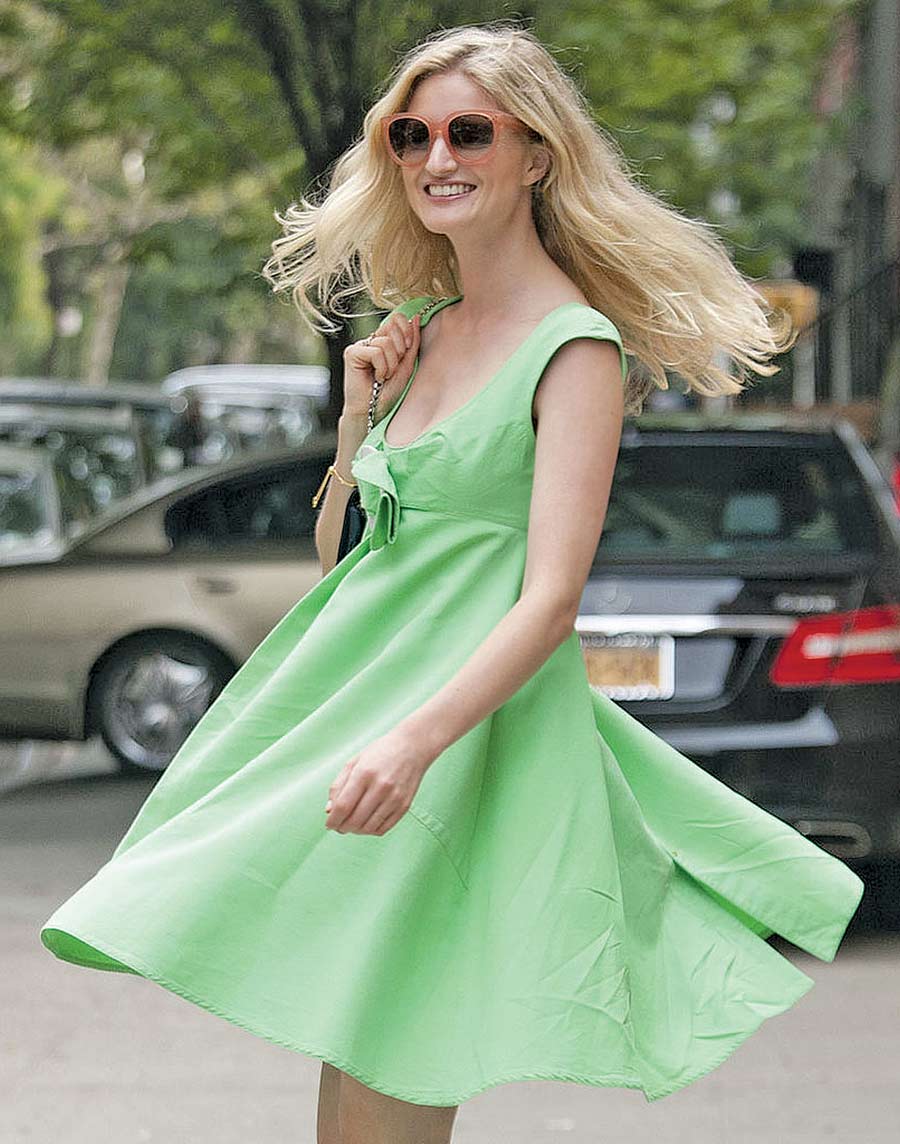
Embossed fabrics have a pattern imprinted or embossed into the fabric. The embossed pattern is created by passing the fabric between a heated embossing roller and a shaped paper roll. Harveer Singh, Purchase Manager, Flock Sur India mentions, “Another process of achieving aesthetic finishing on fabric is through beetled or burn-out effect.” In the beetling process, the yarns of the fabric are flattened as the fabric revolves around a drum while the surface is pounded with hammers, which as a result gives puckering as the end result. On the other hand, burn-out finishes are created by applying chemicals that dissolve, burnout or shrink parts of a fabric creating distinctive patterns.
With the 3D texture taking rounds of the industry since past 3 seasons, the possibilities of achieving 3D textures through aesthetic finishing have touched new heights. Texture finishes modify fabric texture or add components that completely change the fabrics original texture. For instance, processes like shearing is used to even out the length of the pile of fabric in a controlled manner, where you can control the entire process by varying the length of the piles, creating a 3D effect. In another technique called ‘plissé’, fabrics like cotton, nylon, rayon, silk, wool and leather are treated with alkali which intentionally wrinkles, pleats, and puckers the fabric, creating an effect similar to seersucker.




 Bharat Tex Special Report 2026