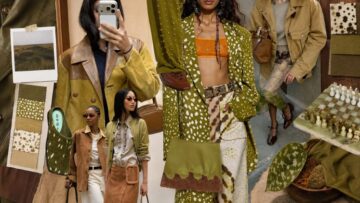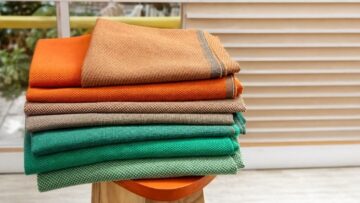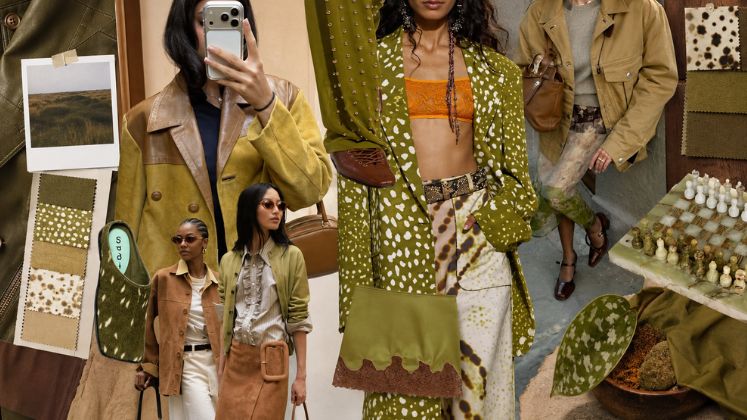
While mint green and tomato red have dominated the season’s more experimental palettes, a quieter, more traditional contender is emerging from the runways: fall foliage. Shades of dark ochre, burnt butterscotch and deep mustard-yellow are surfacing across collections, offering a wardrobe transition that mirrors the changing leaves outside rather than fighting against seasonal instinct.
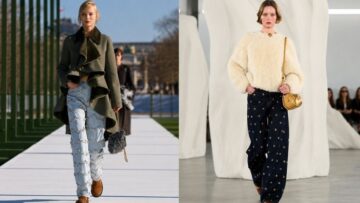
The styling principle remains consistent: dark yellow reads as elevated, not costume, when paired with neutrals such as camel, chocolate, ivory or black rather than other saturated brights. Textural contrast (suede against satin, knit against structured tailoring) is doing much of the work in the runway looks referenced above, offering a workable cue for editorial styling and lookbook direction alike.
The autumn/winter 2026 shows saw the shade treated as a statement neutral rather than an accent. Alaïa worked it into sculpted silhouettes, while Sergio Hudson used the tone to anchor structured eveningwear. Dior’s Paris presentation folded dark yellow into its broader tailoring story, pairing it against camel and chocolate brown for a layered, tonal effect. Off the runway, the shade has already found its way into street style, with Zendaya recently styling a dark ochre piece against a backdrop of restrained neutrals; a formula that keeps the colour from tipping into costume territory.
The category spread mirrors past seasons where a single foliage-adjacent tone anchors both ready-to-wear and accessories: Balenciaga’s suede top-handle bags and Reformation’s flat mules have both appeared in curry and rust-adjacent hues this season, alongside knitwear from labels like Wilfred leaning into softer, wearable versions of the shade.
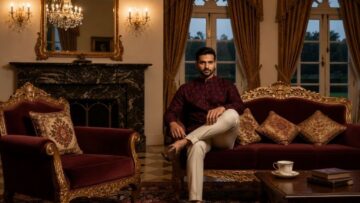
The tone has strong resonance for Indian design houses, many of which already work extensively in ochre, turmeric and mustard as part of an existing vocabulary rather than a seasonal borrow. Sabyasachi’s bridal and occasionwear lines have long used deep ochre and burnt-orange silks, while Raw Mango’s textile-led collections frequently sit within this exact tonal family through hand-dyed cottons and silks. Anavila’s linen separates have also explored muted mustard and rust tones in recent seasons, offering a ready template for brands looking to translate the trend into everyday, weather-appropriate fabrics.
For Indian retail, the colour also aligns naturally with festive-to-wedding season stock cycles, where ochre, mustard and rust already perform well commercially; meaning brands may not need to introduce an entirely new palette so much as reposition existing bestsellers within a global trend narrative.
Beyond occasionwear, the tone is showing up clearly in India’s contemporary and casual-wear space this season. Nicobar has an ochre trouser already in its current line, proof the shade has moved past occasion dressing into everyday separates.
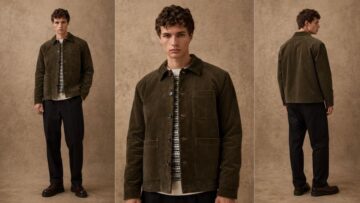
Bombay Shirt Company’s rust-toned cotton-linen shirting offers a menswear-casual read on the same palette, built for shirting rather than statement dressing. And Fabindia’s newly launched Fabels, its premium western-wear sub-brand for men and women, unveiled this June, is a notable one to watch: positioned around natural fabrics, handcrafted textures and everyday-to-occasion versatility, it’s exactly the kind of contemporary label where an ochre or rust colourway would sit naturally within the brand’s existing craft-rooted vocabulary.
Together, these examples suggest the trend has genuine crossover potential in India — moving beyond bridal and festive racks into shirting, trousers and easy separates that read as everyday wardrobe staples rather than occasion pieces.
Fall foliage is less a new colour introduction for the Indian market than a validation of tones already embedded in the country’s textile and craft traditions. For brands and buyers, the trend offers an opportunity to reframe existing ochre, mustard and rust inventory, much of it rooted in natural dyeing techniques, within a global seasonal narrative, without requiring a shift in sourcing or production. It’s a useful reminder that some of the season’s most-referenced international trends are already native to Indian design vocabulary.