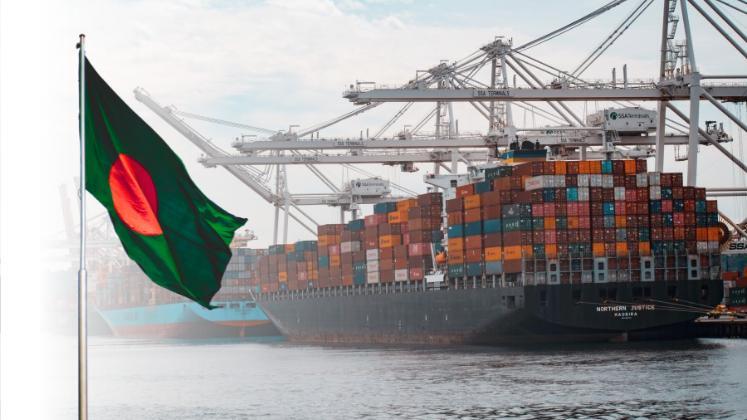
Bangladesh’s garment sector faces severe challenges, grappling with a decline in export orders and escalating production costs amidst the Red Sea crisis.
Reports maintained this adding the region, a crucial shipping route to Europe, has become perilous due to Houthi attacks on Israel-linked vessels and retaliatory strikes by the US and its allies.
Major shipping lines like Maersk, Hapag-Lloyd, and the Mediterranean Shipping Company (MSC) have halted cargo service near the Suez Canal, redirecting vessels around the Cape of Good Hope.
This rerouting has led to increased operational expenses and extended delivery times even as a live vessel tracker on marinetraffic.com reportedly reveals a limited number of vessels traversing the Red Sea, with most opting for an African route to circumvent the crisis.
The diversion results in a two-week delay, exacerbated container shortages, and additional costs, causing disruption in the supply chain.
Bangladesh’s apparel sector, already trailing at least 20 days behind competitors in meeting lead times, faces doubled insurance rates for vessels.
The crisis not only affects European orders but also impacts global exporters due to container shortages and prolonged lead times.
Sparrow Group’s Managing Director, Shovon Islam, reported losing six orders due to the crisis, attributing cancellations to lead time constraints while TAD Group’s Managing Director, Md Ashikur Rahman Tuhin, predicted prolonged suffering for exporters, anticipating costly airfreight and product price cuts as consignments risk missing shipping deadlines amid the ongoing Red Sea crisis.





 Bharat Tex Special Report 2026