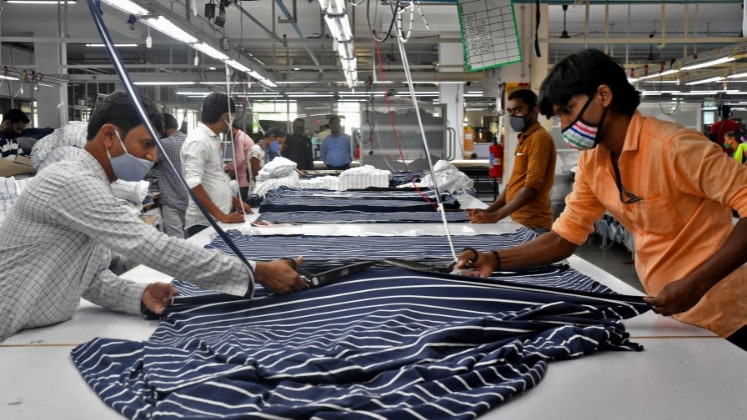
India’s textile export sector must move beyond traditional methods and shift towards higher quality and greater innovation to remain competitive globally, according to A. Bipin Menon, Trade Adviser to the Ministry of Textiles. Speaking to silk exporters and entrepreneurs in Bengaluru, he noted growing dissatisfaction among several international buyers.
Menon observed that although losses arising from United States tariffs had been compensated through increased exports to the United Arab Emirates and European markets, the deep discounts currently being offered were unsustainable and risked harming the industry in the long term.
Despite ongoing global challenges, India registered a 0.1 per cent rise in textile exports between April and September. However, the country continues to face obstacles in entering high-demand destinations such as Japan, which has repeatedly raised concerns over cotton contamination—an issue deemed unacceptable in premium export segments. Menon emphasised that Karnataka, known for its high-quality silk, was well positioned to access such markets.
He urged exporters to work more closely with designers and design institutes to keep pace with global trends, standards, and evolving product blends. Although India produces 11 varieties of silk, Menon said these were still not being effectively marketed overseas.
A supply-chain agreement with the United Kingdom is expected in 2026, with further agreements planned with Peru, Chile and Switzerland. Menon stressed that India must now prioritise improving its presence in France, Germany, Spain and Norway. Dr Bimal Mawandia, Chairman of the Indian Silk Export Promotion Council, also underlined the need to intensify export-promotion efforts.