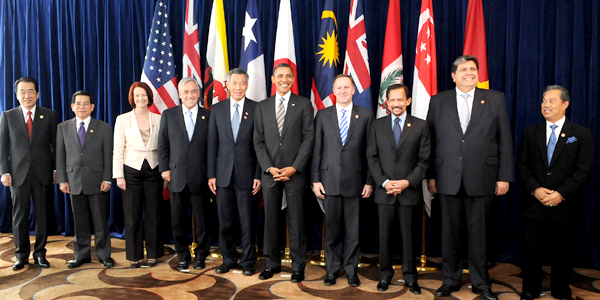
According to a recent cost-benefit analysis deliberating the pros and cons of Malaysia’s participation in the TPP released by PricewaterhouseCoopers’ (PwC), Malaysian textile sector can make largest gains in exports in the decade 2018-2027 if included in the TPP agreement. The observation has been made on the assumption that the all tariffs are eliminated and non-tariff measures (NTMs) are reduced by 25 per cent to 50 per cent across the prospective 12 member countries.
Also Read – Vietnamese garment firms strive hard to benefit from TPP
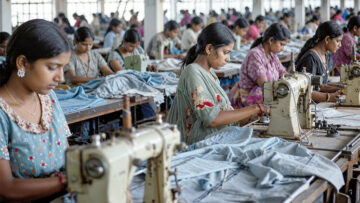
If included in the league of TPP nations, Malaysia’s apparel and textile exports will rise from 0.54 per cent to 0.9 per cent by 2027. The sector is also set to attract investments worth US $ 136 billion to US $ 239 billion over 2018-2027. Moreover, the cumulative gain in GDP is pegged to be between US $ 107 billion to US $ 211 billion over 2018-2027. PwC says more than 90 per cent of the cumulative gains would be attributable to the reduction in NTMs because an elimination of tariffs without any reduction in NTMs, would reap a cumulative gain of only US $ 12 billion over 2018-2027. Due to the Yarn Forward Rule, higher demand for yarn produced in TPP countries is also expected to spur textile companies to expand their upstream yarn operations in Malaysia, which are higher value-added than downstream garment production, the firm said.
Also Read – China, Korea and Taiwan expected to be immune to TPP
In contrast, Malaysia’s non-participation in the TPP agreement is projected to incur a cumulative GDP loss ranging from US $ 9 billion to US $ 16 billion over 2018-2027. Malaysia’s non-participation in the TPP agreement can also effect a diversion of foreign investment away from Malaysia and a projected decline of US $ 7 billion to US $ 13 billion over the discussed period.




 Bharat Tex Special Report 2026