Indian textile industry has demanded to remove the antidumping duty (ADD) on viscose staple fibre (VSF).
Ashwin Chandran, Chairman, The Southern India Mills’ Association (SIMA), has again urged the Government for the same. The association has sent several representations to the Government and also to the Union Ministers for Finance, Commerce and Textiles appealing to remove the ADD levied on VSF.
In India, VSF is produced only by one company and they monopolise the customers with their pricing policy.
The ADD on the same has been in existence for the past 10 years.
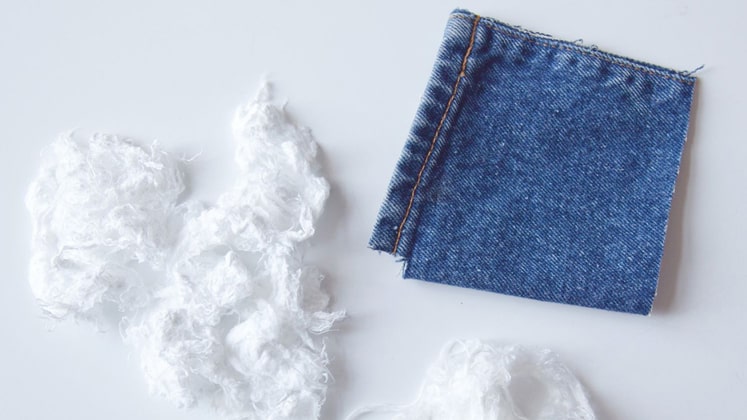
VSF (HSN Code 55041000), an important raw material of Man Made Fibre (MMF), is still given undue protection by way of ADD that seriously affects the entire VSF textile value chain.
VSF attracts ADD of 0.103 US $ to 0.512 US $ per kg for the imports even from countries like Indonesia. The import of viscose spun yarn was 2,022 tonnes during the year 2016-17 and the same increased to 56,262 tonnes (over 27 times increase) during the year 2019-20.
MSME spinners who don’t have the negotiation power with the monopoly supplier suffer the most and thereby the powerloom fabric exports become uncompetitive and affected.
There are several polyester fibre producers in India and the spinners are able to get competitive prices unlike VSF.
It is pertinent to mention here that the Competition Commission of India (CCI) in its order dated 16 March 2020, levied Grasim Industries Limited a penalty of Rs. 301.61 crore for abuse of dominant position in the market for the supply of VSF to spinners in India and the company was found to be charging discriminatory prices to its customers, besides being found to be imposing supplementary obligations upon them.
Due to lack of global competitiveness in the MMF/filament yarn prices, Indian industry in the MMF space has been stagnant in recent years.
The cotton, which is India’s main strength, is used only for one fashion cycle in a year (Spring/Summer) globally and for the remaining seasons the world predominantly needs MMF-based products.
Indian MMF products account for 20 per cent of its total textile and apparel exports, whereas in China and other textile exporting countries it is 80 per cent.






 Bharat Tex Special Report 2026