Sidelined by the US-led Trans-Pacific Partnership (TPP), India is making efforts to sign a deal with the China-backed trade bloc, Regional Comprehensive Economic Partnership (RCEP), a move that is expected to improve India’s access to the Asian markets.
India, in its bid to ramp up exports has clearly indicated that it will be striking the deal in this year’s Brunei meet, scheduled to take place from February 15 to 19. If signed, this regional free trade agreement (FTA) would create an economic bloc, encompassing a population of 3.4 billion and a trade volume of over $17 trillion.
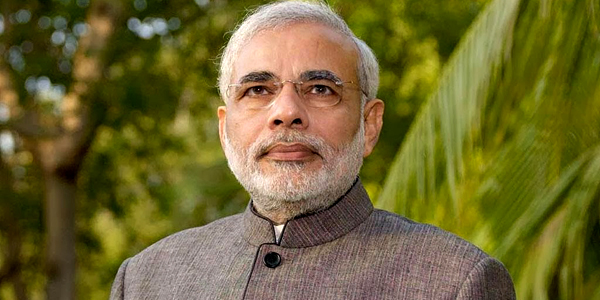
According to a senior official in New Delhi, “Concluding an RCEP agreement would mark a key milestone for the Modi government.”
New Delhi fears that the TPP deal will in all probability have adverse effects on the textiles and garment industries. “The TPP will certainly have an impact on India’s exports,” Nirmala Sitharaman, Minister of State (Independent Charge) for the Ministry of Commerce & Industry, said. It is most likely to affect sectors like leather goods, plastics, chemicals, textiles and apparel.
Ganeshan Wignaraja, Adviser in the Economic Research and Regional Cooperation Department, Asian Development Bank, said the agreement would help mitigate the competitive disadvantage of India for being absent in the recently signed TPP deal that accounts for 40 per cent of the global economy.
Industry experts are of the view that TPP could further widen the Indian merchandise exports, hence it is advisable to speed up RCEP and other FTAs with Canada and Australia.
In this regard, Chandrajit Banerjee, Director General of the Confederation of Indian Industry said, “We can’t waste time.TPP will basically change the landscape of global trade.”
RCEP was launched in 2012 and the bloc comprises 10 members of the Association of Southeast Asian Nations (ASEAN), China, Japan, South Korea, India, Australia and New Zealand.