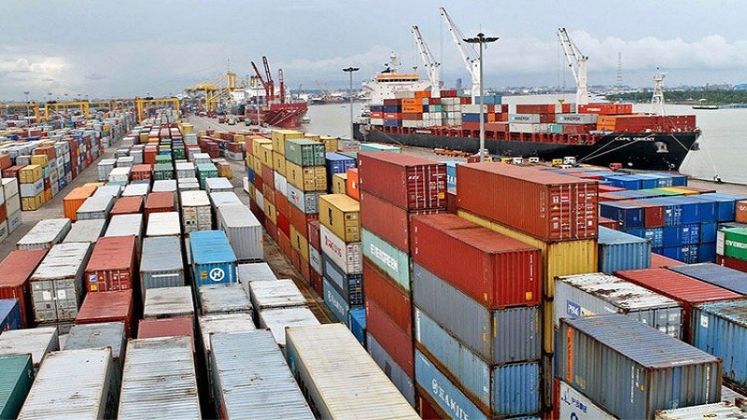
The import and export of containerised cargo through Chattogram port experienced a notable uptick in January, largely fueled by a surge in imports and a rebound in export orders for the ready-made garment (RMG) sector in anticipation of the upcoming Ramadan.
According to reports from foreign shipping lines, export-laden container shipments rose by 18.23 per cent year-on-year, reaching 75,234 TEUs (twenty-foot equivalent units) in January. This figure slightly surpassed December’s total of 74,495 TEUs and underscores Chattogram port’s vital role, handling approximately 98 per cent of Bangladesh’s containerised cargo.
The import side also saw substantial growth, with the number of import-laden containers unloaded at the port hitting a seven-month high of 124,039 TEUs. This reflects a 10.66 per cent year-on-year increase and a 3.74 per cent rise compared to December 2024. Notably, around 75 per cent of these imports consisted of raw materials destined for the export-oriented RMG sector.
Industry experts attribute the rise in imports to a seasonal surge in garment raw material procurement, coinciding with increased demand for essential Ramadan commodities such as chickpeas. Muntasir Rubayat, head of operations at GBX Logistics, explained that the earlier months of last year saw slower import activity due to banking restrictions on letters of credit, which hampered transactions for many importers.
Despite facing challenging economic conditions, Bangladesh’s garment exports have shown resilience, climbing by 7.23 per cent year-on-year to US $ 38.48 billion in 2024, according to the Export Promotion Bureau. The recovery in apparel shipments has been evident since September, continuing through January, as manufacturers adapt to shifting global market dynamics.
Syed M Tanvir, managing director of Pacific Jeans, a leading player in Bangladesh’s denim export sector, expressed optimism about the RMG industry’s continued recovery in 2024. Tanvir noted that the potential shift of orders from China due to recent US tariff hikes could further position Bangladesh as a preferred sourcing destination for international buyers.





 Bharat Tex Special Report 2026