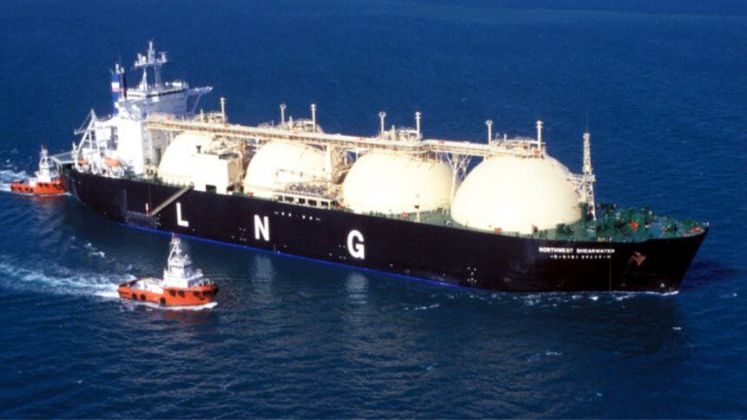
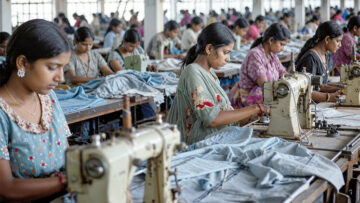
To enhance competition and reduce costs in its energy sector, Bangladesh has approved nearly two dozen firms, including global giants Shell, BP, Aramco, and Glencore, as suppliers of spot liquefied natural gas (LNG). The decision comes as the country grapples with increasing energy needs and declining domestic gas production, a situation that has raised concerns, particularly for its vital ready-made garment (RMG) industry, which heavily relies on stable energy supplies.
Bangladesh’s energy landscape has shifted since the ousting of Prime Minister Sheikh Hasina in August, with the interim government opting for an open tender process. This change aims to move away from the previous dominance of suppliers like Vitol, Gunvor, and Excelerate Energy, as revealed by Muhammad Fouzul Kabir Khan, the country’s acting energy and power minister.
The nation, home to 171 million people, imported 5.2 million metric tonnes of LNG in 2023—a 19 per cent increase from the previous year. Analysts anticipate that demand will continue to rise due to population growth and diminishing domestic gas output. Currently, Bangladesh spends approximately Taka 60 billion (US $ 504 million) annually on LNG imports, crucial for powering around half of its electricity generation capacity, which is gas-based.
Khan emphasised that the inclusion of major players in the LNG market would pave the way for increased competition, which could lead to significant cost savings. The potential savings will depend on new contracts placed by the state-run Rupantarita Prakritik Gas Co Ltd (RPGCL), although specific timelines for these orders were not disclosed.
The urgency of securing reliable LNG supplies is underscored by the approaching winter, which could pose challenges as Bangladesh faces its most difficult season since the onset of the Russia-Ukraine conflict. The new roster of suppliers will replace the previous list of 23, as RPGCL recently invited companies to supply LNG on a spot basis.
Ensuring a consistent and affordable energy supply in the RMG sector is critical for maintaining production levels and competitiveness in the global market. The country imports about 100 LNG cargoes annually, with more than half coming from direct contracts with Qatar and Oman, while the remainder is acquired through spot purchases from private suppliers.





 Bharat Tex Special Report 2026