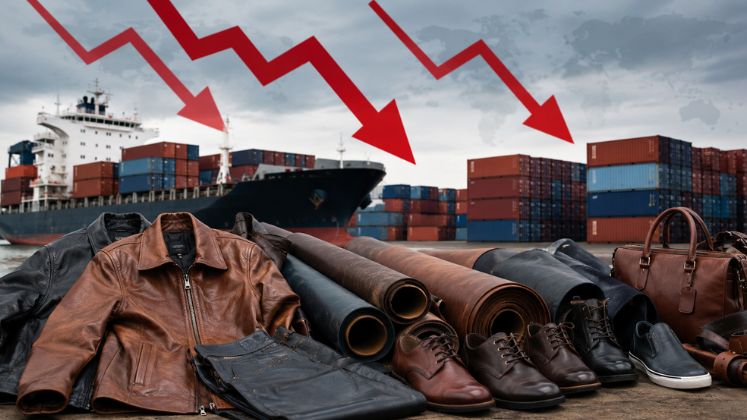
India’s leather and leather products exports declined 16% in FY ’26 as higher US tariffs, rising input costs and disruptions linked to the West Asia crisis weighed heavily on the sector’s global competitiveness.
The downturn reflects mounting pressure on one of India’s key labour-intensive export industries, which has been grappling with slowing international demand, elevated freight costs and trade uncertainties across major markets. Industry executives have also flagged a sharp increase in raw material and production expenses due to the ongoing geopolitical tensions in West Asia.
According to industry estimates, exports of leather and leather products were impacted by weaker demand from the United States and Europe, alongside a rise in operational costs. The US market remains particularly significant for Indian leather exporters, accounting for a substantial share of outbound shipments. Recent tariff measures imposed by the US have further reduced the price competitiveness of Indian products in the market.
Industry bodies have approached the government seeking duty exemptions on critical raw materials and manufacturing inputs, including synthetic leather, chemicals, footwear components and machinery, as companies attempt to offset the impact of rising costs. Exporters have also urged faster implementation of policy support measures aimed at strengthening the footwear and leather ecosystem.
The ongoing crisis in West Asia has added further strain to the sector by disrupting supply chains and increasing logistics expenses. Exporters have reported cancellations and delays in overseas orders, particularly affecting small and medium-sized manufacturers concentrated in leather hubs across Tamil Nadu and West Bengal.
Industry stakeholders have warned that prolonged tariff pressures and geopolitical instability could continue to affect export volumes through FY ’27 unless global demand conditions improve and policy interventions are introduced. Analysts have already projected revenue declines for Indian leather exporters due to the sharp increase in tariffs imposed by the US.
Despite the near-term challenges, exporters are exploring diversification into alternative markets including Japan, South Korea, Australia and parts of South America to reduce dependence on the US market.