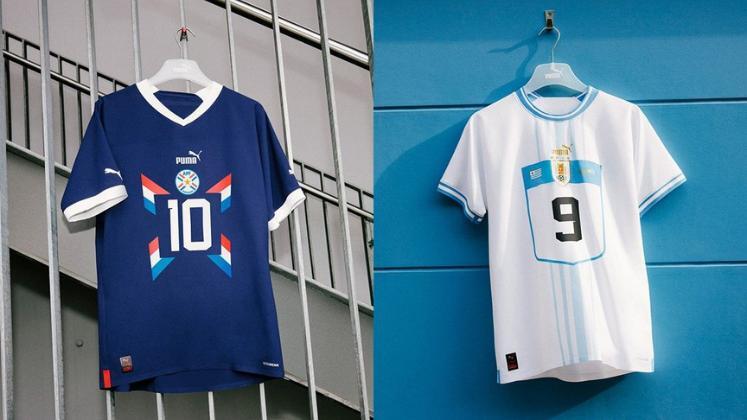
Sportswear brand Puma, has revealed plans to utilise RE:FIBRE technology in the production of its official football replica jerseys, set to include those for the Euro and Copa América tournaments in 2024. These jerseys will be crafted using RE:FIBRE recycled materials derived not only from recycled plastic bottles but also from old garments and factory waste. The introduction of this technology commenced in 2022, initially featuring recycled training jerseys for Puma-sponsored football clubs. Subsequently, RE:FIBRE technology was employed to create replica kits for Switzerland and Morocco in the Women’s World Cup, along with Girona’s Third kit for the 2023/24 season.
Puma’s adoption of the RE:FIBRE initiative is a strategic move aimed at combating textile waste, presenting a sustainable, long-term solution for recycling. Moreover, this technology seeks to diversify the fashion industry’s primary source of recycled polyester, moving beyond its heavy reliance on clear plastic bottles.
The RE:FIBRE process revolutionises the handling of polyester materials, including factory offcuts, defective goods, and pre-owned clothing, allowing for the creation of new garments in any desired color from a range of textile hues. This involves the collection, sorting, shredding, and meticulous mixing of textile waste with other previously discarded materials. The resulting blend undergoes a sophisticated chemical recycling process involving dissolution, filtration, and polymerization. Ultimately, this culminates in the creation of RE:FIBRE fabric, ready to be melted, spun, knitted, and sewn into garments—a process that facilitates subsequent recyclability.
Puma’s Chief Sourcing Officer expressed enthusiasm for the new recycling technology, emphasising the environmental risks posed by textile waste accumulating in landfills. Embracing a circular business model remains a cornerstone of the brand’s sustainability strategy, reflecting its commitment to rethinking production methods.
Puma’s continuous dedication to sustainability has notably improved its rankings on Corporate Knight’s Global 100 Sustainability Index, ascending from 77th to 47th position.