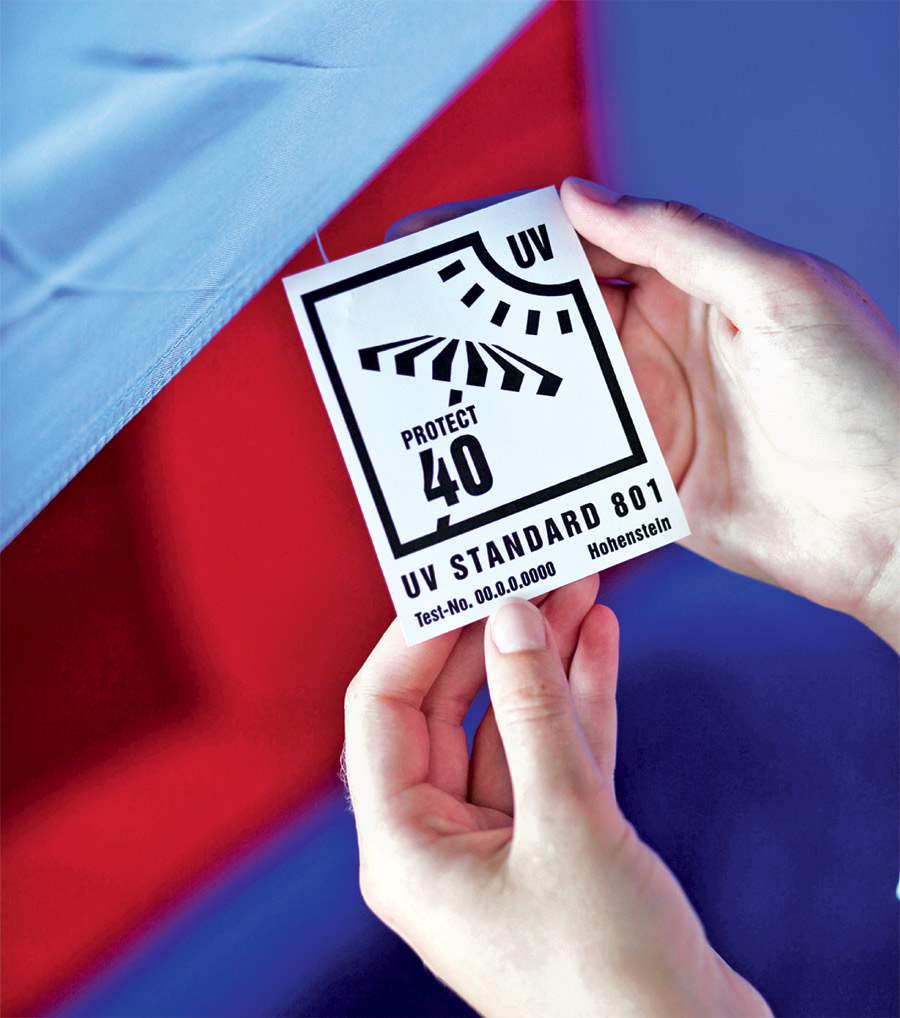
 Just how much of Ultraviolet Protection Factor (UPF) is right for the textile protecting the skin from UV radiation? Are the companies supplying the parasols, awnings and beach chairs following the right testing standards to give the right product? According to Sabrina Kohler the person responsible for determining the UPF of textiles at the Hohenstein Institute, the UPF in most textiles is far below the desired level and totally inadequate for the delicate skin.
Interestingly, textiles are in fact ideal for UV protection and many companies have developed fibres and fabric constructions that ensure maximum protection from high-energy UVA and UVB light. Good sun protective textiles have an UPV of between 60 and 80 that ensure adequate protection from sun-burns and premature ageing of the skin.
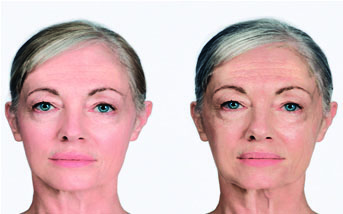
These special textiles are created by incorporating titanium dioxide particles, generally found in powders and sunscreens into the fibres to act like mirrors to reflect the high-energy UV rays and so protect the skin underneath. Further, during the construction of the fabric several layers are created covering the gaps that invariably occur in woven and knitted fabrics. The weight, colour and surface finish of the textile are also important elements affecting the UPF of a textile. For example, dark colours give better UV protection. Natural fibres like cotton and linen are relatively low on UPF, though silk has a high UV protection factor, because like synthetic fibres it contains matting components which reflect and absorb UV rays.
Testing standards have been specially developed to measure UPF and the latest is the UV Standard 801, recommended by the Hohenstein Institute, under which the UPF of a textile is determined not only when it is new, but also when it is stretched and wetted, after mechanical strain and washing and after artificial weathering.




 Bharat Tex Special Report 2026