L. Gore & Associates, a technology-driven company, has opened a new Biophysics and Heat and Flame Protection facility to measure the properties of component materials, Gore laminates, and fully constructed garments and footwear in new, expanded and relevant conditions.
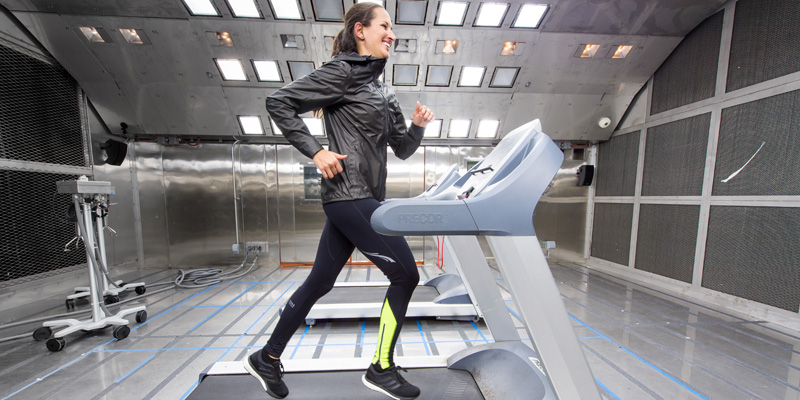
The new Biophysics lab, a state-of-the-art facility, has the capabilities to measure performance, protection, breathability and comfort for the end-user, and can recreate a wide range of environmental conditions to understand the potential impact on the end-user.
The impact is measured through benchtop testing, sensored mannequins, and human testing in the environmental chamber. The chamber can recreate between 85 to 95 per cent of the environments on the earth’s surface, allowing the company to evaluate the performance of its fabrics products in specific conditions. “Gore’s new world-class facilities can simulate from the most common to the most extreme environmental conditions, from a cold, damp drizzle in Scotland to the scorching heat of a California wildfire,” explains Paul Canatella, Technical Leader, W. L. Gore Fabrics Division.
The Rain Tower can simulate realistic rainfall rates, ranging from a light drizzle in Scotland to a downpour in the US Pacific Northwest. It can simulate rainfall of up to three inches per hour, water and air temperatures ranging from 5° C to 25° C, and wind speeds of up to 5 miles per second.
Also Read – SGS relocates its textile testing laboratory
Meanwhile, the new Heat and Flame Protection lab enables to precisely measure and analyse the ability of its products to provide the three key elements of burn protection: flame resistance, thermal insulation, and thermal stability.
The facility has equipment like Cone Calorimeter which can measure the heat release characteristics of the fabrics used in finished garments. It also allows for measurement of smoke generated from a fire event involving these products. Additionally, the Stored Thermal Energy Tester evaluates time to burn in low heat flux scenarios where a firefighter could experience sweat burns from standing outside the fire ground. Another key tool at the lab – Pyrolysis Combustion Flow Calorimeter (PCFC)/Micro Combustion Calorimeter (MCC) allows to rapidly characterize heat release and fire-preventing char generation in the raw materials used to produce the garment.