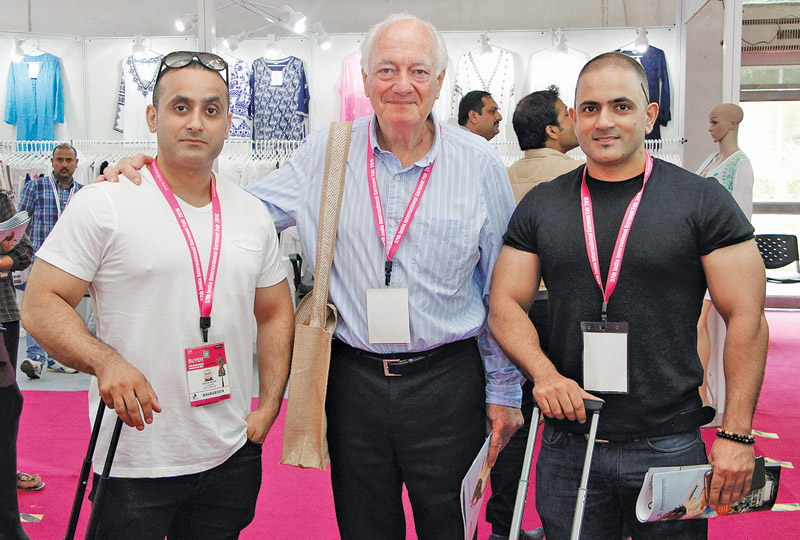
Adding new buyers is one of the survival mantras for small- and medium-level exporters. While buying offices are of course an option, most of the exporters at this level are looking towards wholesalers/importers from across the world to enhance business, and it is hearting to see that despite the present difficult market conditions most of the wholesalers/importers working with India have added more exporters to their supplier list and are open to adding more in the near future. For most of such buyers, product development is the important criteria to add a new exporter. These buyers claim that they first see the creativity/diversity in the collection of an apparel manufacturer and if they get their required product, even price becomes a secondary condition. For some, timely delivery is the main criteria in deciding upon a new vendor.
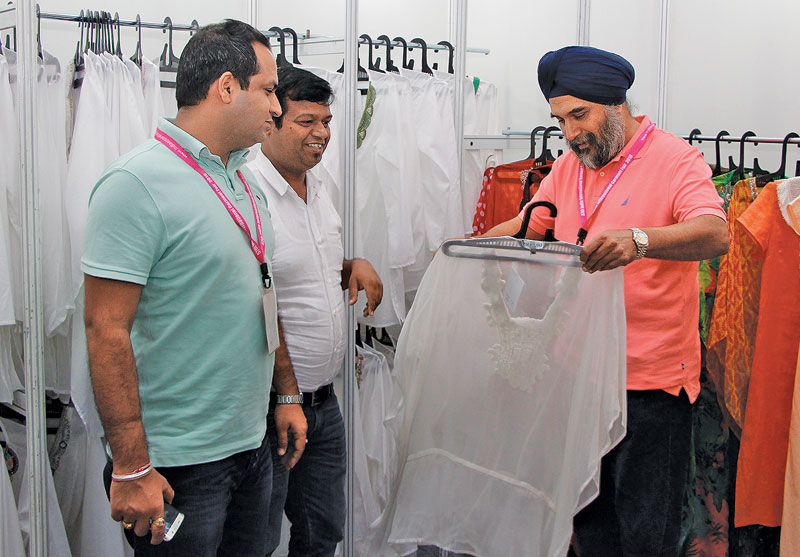
With 127 stores, Lulu Group International, Abu Dhabi, UAE is one of the biggest retail supermarket chains in Middle East. Having 50 suppliers in India it has added 30 new vendors in the last two years, yet its sourcing team, who sources approximately 3 million pieces per year from India, is not happy. “For us it is very important that an exporter understands our product as being a Middle East-based company, our requirement is different from Europe or any other markets. There is not much variation in the collection of Indian exporters. It may be okay to prepare collections according to the needs of their existing markets, but to grab new buyers; they need to develop collections keeping in mind different market needs. There are only few such suppliers who invest in regular innovation in fabric and follow the trends,” claims Ankit Agarwal, Buyer – Ladieswear of the company. He further added that exporters, mainly from North India should be more forthcoming in wooing new buyers. Similar is the thought of Kuldeep Singh of Mahadev S.A. DE C.V., which is sourcing only from India and is associated with 8 Indian exporters. Working in Mexico from the last 22 years, Kuldeep avers, “We have not added any new vendor in the last two years as existing vendors are fulfilling all our needs. I am not getting any new vendor who can work with us and focus more on research and development in products.” As far as Mexico market is concerned, he shares, the market is going good but increased duties is a major issue as it increases entry price of the products.
Having more than 1,200 stores in Mexico and looking for entire range in apparels, Coppel China Representative Office has more than 10 active suppliers in India. Last year it added one vendor. “Our concern is quality, capacity and we do visit the factory before making any commitment. Our experience with most of the Indian exporters is quite positive. – Alexander Kwan, China Sourcing, Coppel China Representative Office
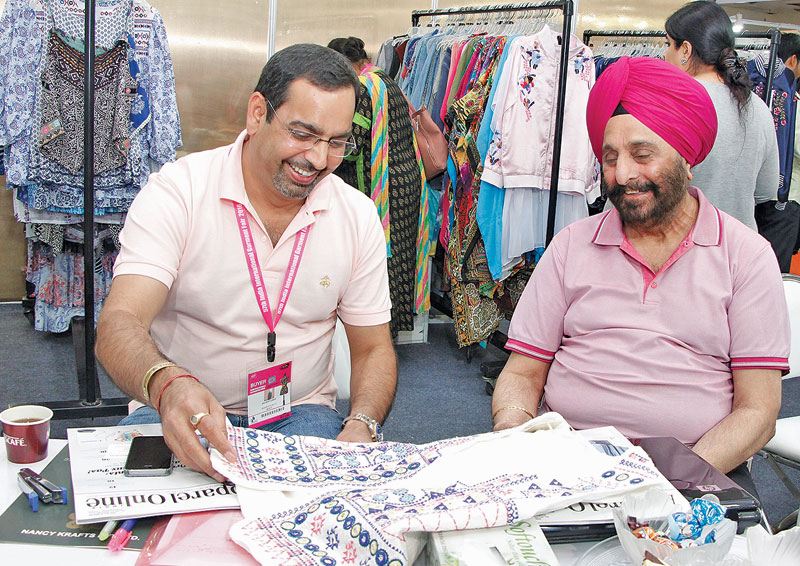
Wholesalers/importers who are not yet working with India, but are keen to do so are also looking for good collections to start sourcing. Currently sourcing from Bangladesh and China, Ralph Goodstone, Director, Le Cashmere, UK that caters mainly to 250 medium-to large-level retailers in UK, was recently in India searching for high-quality products. “I found two very good suppliers and am pleased so far with their products and quality, still I need to negotiate on price, and when they can deliver. Product and its look is the most important factor for me to start working with any new apparel exporter because it shows how creative and active an exporter and his team is,” said Ralph. Though he did not disclose how much he plans to source from India but it will be ‘substantial’, he claimed enthusiastically. Also planning to start sourcing from India, Manijeh Khodadoust, Dastchin Mina, Iran, associated with more than 100 stores, also insisted that product was key in deciding vendors, while price was a secondary consideration. “People want to buy more but at less price, but before that it is the look of the product which attracts the consumer into the store, so we follow the same,” said Manijeh whose priority is womenswear suitable to the Iranian market.
I found it very difficult to survive in Indian market as there are quality issues. What you want, and finding exactly the same, is not easy. Despite that I have added new vendors too. For me vendor’s knowledge and mutual trust is most important. – Yosi from Afrodita, Israel (sourcing over 1 million US $ per year)

Few wholesalers are of the opinion that timely delivery is where many Indian exporters are still struggling. Sourcing from India since the last 30 years, Roger Kohli, Creative Cute Options, US has added 2 new vendors in the last two years. He says, “I feel that even in these difficult times, exporters do not understand the importance of being responsive and timely delivery is still an issue. There is no dearth of business but it is all about delivery and price point.” Sourcing 30,000 pieces per year and having added accessories recently, Kathreyn of Guru, Canada is also very critical about the fact that Indian exporters do not stick to delivery commitments, so she is very cautious about this aspect. “Indian show organizers should do something in this aspect, at least they can push them to work professionally,” she said. Having 3 active suppliers in India from almost 10 years, she believes that it is one of the main reasons that she prefers not to add new vendors unless it is hard to avoid.

However, not every buyer is disappointed with India and there are some importers who understand the pulse of customers and have developed the same in their Indian exporters also. Debbie Farah, CEO/Founder of Bajalia International Group, US representing many retail chains and celebrity brands is working in India for more than 15 years. Sourcing complete range of apparels, home and accessories the company has many suppliers across the country and works with artisans too as a lot of its sourcing includes handwork, beadwork, etc. “In last 2 years we have engaged 20 new suppliers, and same numbers or even more are expected to be added in the next 1½ years. As we are growing, we source from our regular suppliers and also keep adding new ones. As of now retailers are very disruptive and conditions are changing dramatically, so there are lots of challenges. Though market will grow but in a very different way, as now more and more American consumers want to know about the product they are buying, like how and from where the product is being sourced; are the workers in the supply chain being treated fairly, etc. I have observed that people are interested in all aspects of sustainability than ever before. It really affects their purchasing. They want to purchase less but want to ensure value,” says Debbie. She further adds, for the sourcing team it is important to understand how easy it is to work with an exporter. “We have to typically take samples, and apart from complete garments we do require embroidery and beadwork samples. Exporters should be flexible enough for small or big orders and treat all the orders with equal importance. I feel Indian exporters should work with buyers very closely. Many buyers want to work with India but Indian exporters make it difficult. Even last week our office had a meeting and we decide not to work with those exporters who do not reply to our queries on time. Proper communication should be their top priority,” she concluded.