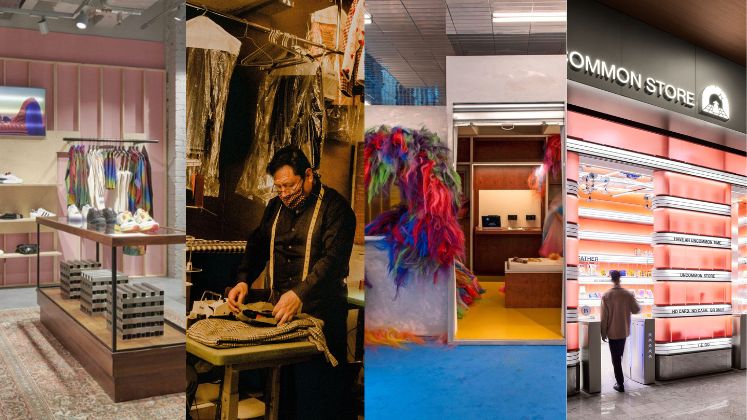
Over the past decade, online shopping has dominated retail discussions; however, as the world embraces in-person activities once again, bricks-and-mortar stores are regaining significance. E-commerce has reached a turning point, pushing physical retail to evolve and seize new opportunities.
A part of the Future of Retail report by Fashion Snoops, this abbreviated version highlights intriguing developments in physical retail, advocating for retailers and brands to view all their channels as a unified storefront. Whether through co-creative commerce or hyperphysical experiences, the insights presented here can be applied universally.
Amidst the backdrop of technological progress and evolving consumer preferences, we delve into diverse subjects — ranging from Covid-19’s influence on sensory engagement to the ascent of e-commerce and the changing role of physical stores.
The exploration covers the delicate equilibrium between tactile experiences and online convenience, the integration of touch-focused designs and the emergence of staffless checkout and autonomous solutions, while also venturing into the realm of hyper-personalisation, the value of customer memberships and the importance of providing self-service options that align with the ever-changing desires of contemporary shoppers.
Read along to discover!
MERCHANDISING
BEYOND GENDER
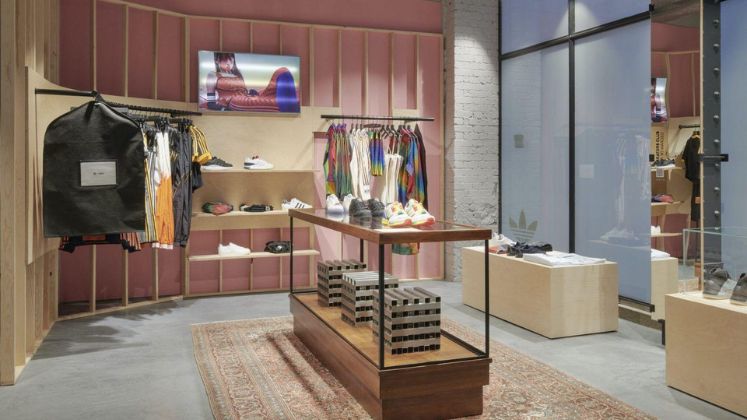
Recent survey findings underscore a notable pattern with 7 in 10 consumers worldwide showing interest in purchasing increasingly gender-inclusive and diverse clothing pieces in the future. This shift in consumer preferences has arisen out of the increasing recognition and acceptance of gender identities that don’t conform to traditional norms which have, in turn, opened a doorway for all consumers to explore styles outside of their assigned gender.
As consumer identities become more difficult to define on all fronts, merchandising strategies must expand beyond these outdated categories.
Although some retailers have dabbled in gender-inclusive collections and collaborations, they are yet to challenge the gendered merchandising systems that the industry operates on.
In contrast, pioneering brands in the gender-inclusive fashion space are already embracing innovative merchandising approaches that categorise garments based on alternative attributes such as colour, fit, occasion or design aesthetic. In future, technology is poised to play a pivotal role in degendering fashion from gender, leveraging AI and customer insights to offer personalised recommendations rooted in individual tastes, inclinations, emotions and interests.
Emerging Opportunities
The future store will be a safe space for unbound expression
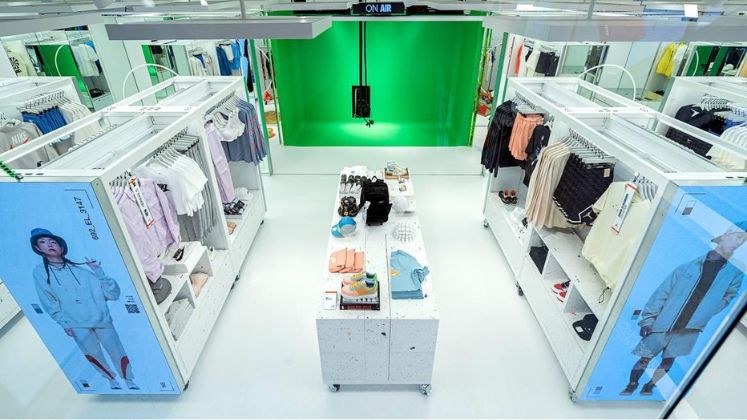
In the present day scenario, most retail store experiences are designed in a way that limit the vast spectrum of consumer identities. One in two Gen Z shoppers have already purchased a fashion item outside their gender identity and the future of retail will hinge on offering a more fluid experience by being more flexible.
Store sections divided by gender discourage consumers from experimenting with new styles and exploring their gender expression. One of Nike’s latest concept stores Nike Style is a playground for self-expression containing ‘gender-agnostic’ lifestyle sections with men’s and women’s pieces integrated, as well as a content creation studio where consumers can get creative and make things on the spot.
Brands will be expected to promote inclusion on all fronts
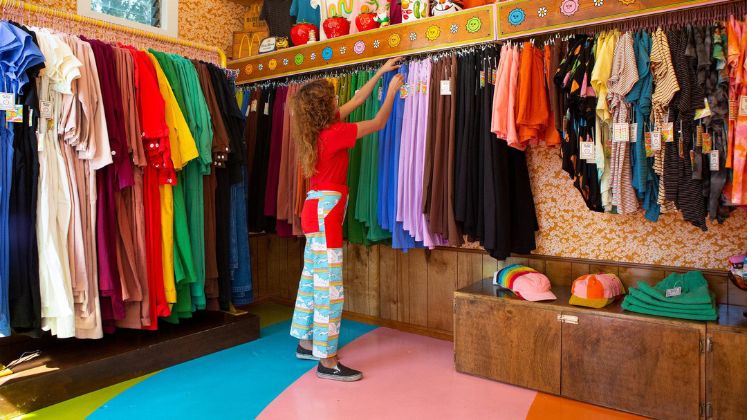
In the age of accountability, consumers will look for retailers that take a multi-layered approach to inclusivity. When stores break free from just stocking things for men or women, there’s a chance for brands to sort items by more specific characterisations like different fits and bigger sizes. Instead of separating clothes by gender, a brand like Big Bug Press arranges things by style, colour and even has plus sizes with adaptive features.
By degendering their offerings and retail experience, brands can not only cultivate a safe space for gender-nonconforming people, but also begin to address the needs of customers with fuller bodies and those with disabilities.
While the transformation toward a less gender-defined retail experience might not occur overnight, there are concrete steps retailers can take to accommodate the expanding demographic of fluid consumers. By introducing greater flexibility into their offerings, retailers can tap into this burgeoning market and gradually contribute to reshaping the way fashion is perceived and consumed.
THE SERVICE
SHOP
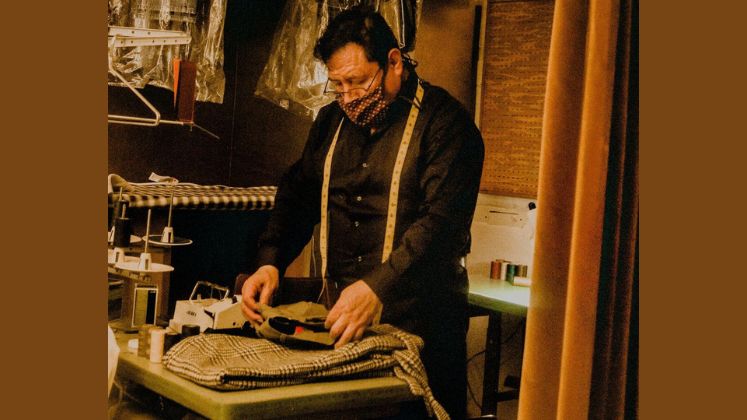
Due to supply chain issues and, more recently, out of economic necessity, shoppers have grown accustomed to buying less. In a survey by consumer research platform Attest, 59 per cent of respondents said they planned to cut back on spending in 2023 and 43 per cent claimed to be consuming less, in general— a 10 per cent increase from the previous year.
In the long run, the primary motivator will be the environment, as more and more people worry and express concern about how consumption affects the planet. As consumers buy less physical goods or turn to circular practices like resale, traditional retailers will have to seriously rethink their business models and explore new, sustainable revenue streams.
Moving away from a world that’s taken over by a material-based economy, services are emerging as the next big thing in retail.
The auto industry and expensive luxury goods sector pose as perfect examples of how other categories and domains can work — because sellers of these big-ticket items cannot rely on frequent purchases, they’ve built an entire service ecosystem around their products that includes maintenance, warranties, upgrades, exclusive perks and more.
As e-commerce claims a bigger share of retail, the bricks-and-mortar store is poised to become primarily a home for services, rather than the place to buy new merchandise.
Emerging Opportunities
Stores will be responsible for facilitating circularity
A major concept of the circular economy means brands need to take greater ownership for the amount of space their products use in landfills, from the actual discarded goods to the packaging.
That’s why stores act like a last line of defence from landfills and services provide the solution to making things last longer and getting rid of them correctly.
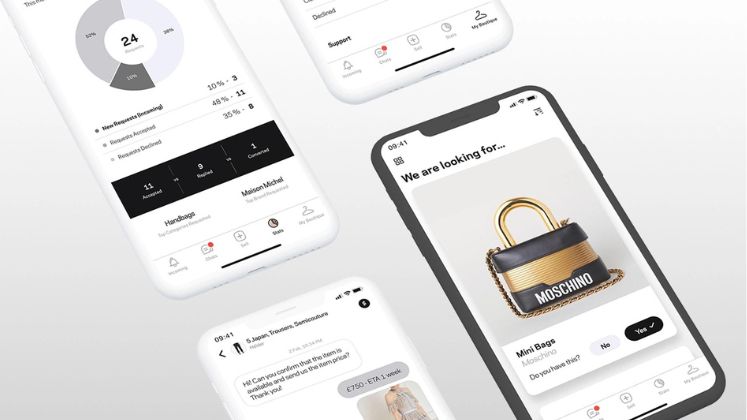
Footwear and lifestyle brand Golden Goose is leading this transition to circularity-based services with a new retail model built on principles of ‘repair, remake, resell and recycle’.
Its new stores feature a cobbler shop-in-shop that greets customers and where much of the floor space is now dedicated to services like mending, cleaning, customisation and product disposal.
Services will be the key to loyalty
While online shopping makes it easier for everyone to get things and optimise convenience, services will be what set retailers apart, giving them a competitive edge and by providing memorable, standout experiences that make customers want to come back again.
In particular, service options can provide new incentives on the loyalty side and form the basis for new tiers of rewards.
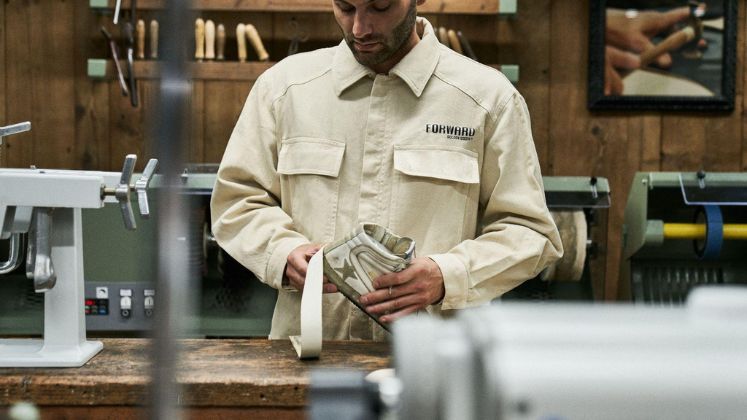
Online luxury marketplace FARFETCH has expanded its loyalty program with a concierge service that gives its most devoted customers access to exclusive sales via an app and also matches them with expert stylists who can provide personalised recommendations and track down hard-to-find items—a crucial service amidst the current collectibles’ craze.
HYPERPHYSICAL
EXPERIENCES
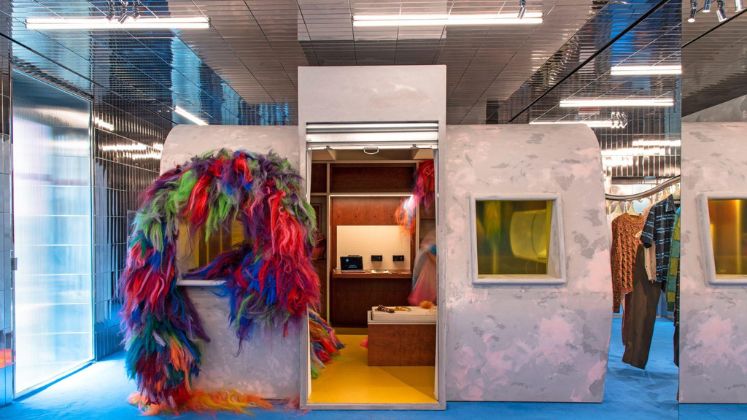
Following an era of limited touch and experiences, marked by the loss of certain senses due to Covid-19, consumers will return to stores seeking the sensorial experiences they have missed out on.
Additionally, as e-commerce continues to grow, physical stores and restaurants must create unique and compelling experiences to attract customers and keep them wanting to come back again.
According to Mood Media‘s survey, 84 per cent of consumers would revisit a store with a pleasant atmosphere. The emerging trend of retail experiences focuses on stimulating the senses through elements like lighting, colour, sound, scent and taste. Incorporating smell and taste into marketing creates more memorable experiences and fosters brand loyalty.
Although e-commerce offers convenience at the click on a button, physical stores will become essential for brands to immerse consumers in sensory marketing and tactile product experiences.
| The emerging trend of retail experiences focuses on stimulating the senses through elements like lighting, colour, sound, scent and taste. Incorporating smell and taste into marketing creates more memorable experiences and fosters brand loyalty. |
Emerging Opportunities
Consumers are looking for high-touch in a touchless world
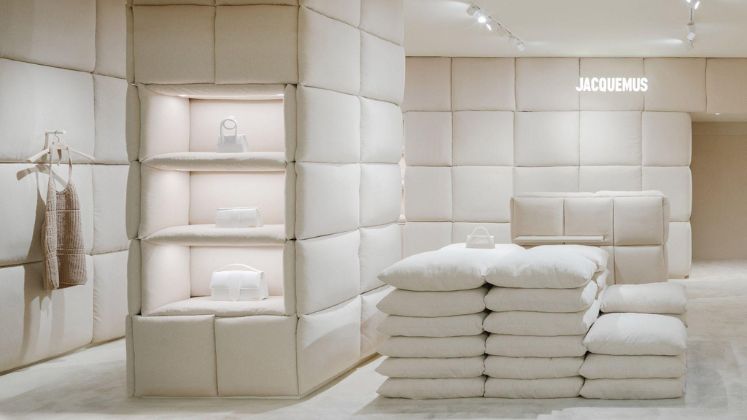
The rise of digitisation has facilitated remote transactions and contactless payments, but it has also diminished the chance for tactile experiences and hands-on store interactions.
Jacquemus has prioritised touch in its stores, incorporating distinct materials and themes. Its newly launched Paris store, crafted by Studio AMO, features an immersive setting with wall-to-wall coverings in pillows and plush carpeting, to envelop shoppers in a relaxing atmosphere.
Moving ahead, the key hurdle will be to extend heightened tactile experiences to online platforms as well.
Engaging with taste will increase impact

Research demonstrates a strong connection between the brain regions responsible for taste and scent processing and memory storage. This correlation indicates that retailers providing refreshments and snacks in their stores can extend the time customers spend there and boost their ability to remember experiences leading to greater brand recall.
Cookware brand Our Place makes taste central to its first bricks-and-mortar location in Venice, California with its own cafe serving specialty drinks and a space that will host cooking classes and food-related events.
PURPOSEFUL
AUTOMATION
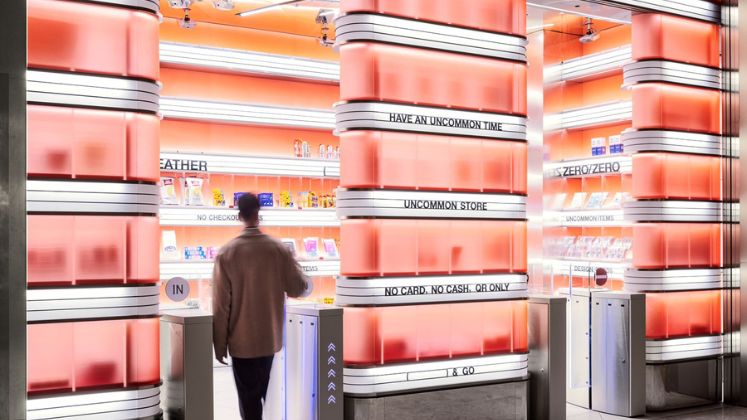
Accustomed to the ability to shop anytime and on their own terms online, customers are coming to expect the same level of convenience in-person. The pandemic expedited the implementation of staffless checkout and other autonomous solutions. As more providers refine and enhance these technologies, they will evolve into a common in-store practice, albeit with a deliberate approach.
The upcoming phase of autonomous shopping will broaden the scope of these technologies to encompass fresh tasks like returns and order pick-ups. This will involve exploring diverse formats like vending machines and lockers, as well as integrating novel product categories. Significantly, automation will play a pivotal role in driving an era of hyper-personalisation, leveraging AI-supported customer service and machinery enabling users to create products on demand.
The optimal approach for retail lies in combining autonomous and staff-assisted solutions. A survey conducted by Catalina, a digital media firm, in grocery stores revealed that customers who use both self-checkout and manned lanes create the greatest customer value. This underscores that providing a range of options is the critical factor for achieving success in retail.
| While autonomous checkout shouldn’t be the only solution, stores should be prepared to offer some kind of self-service option or risk losing the 60 per cent of customers who prefer self-checkout. |
Emerging Opportunities
Customers will pay extra for convenience
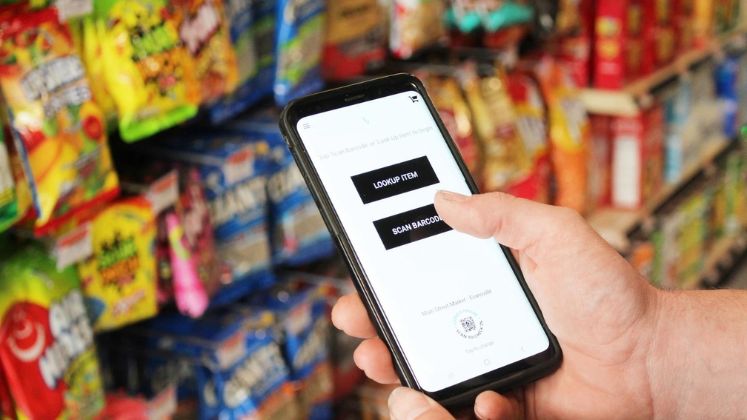
The ‘always on’ model faces significant challenges including costs, set-up complexity and the risk of potential shrinkage. Nevertheless, paid memberships offer a managed approach to experiment with and finance staffless operations and extended store hours. Customers have demonstrated a readiness to pay a premium for convenience.
Small-town store Main Street Market in Evansville, MN presents an ideal use case for this arrangement: For a yearly fee of US $ 75, members can access one of the only grocery stores in town 24/7 through a simple key fob and app set-up. Within its first year, the program generated 40 per cent revenue.
Shoppers will expect self-service options in every store
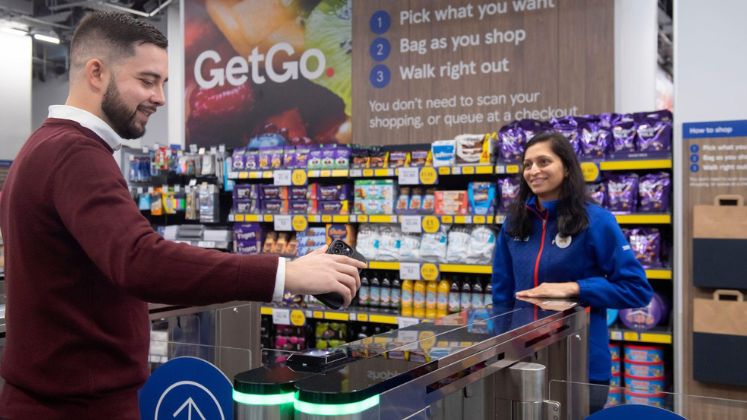
Although autonomous checkout shouldn’t be the sole solution, stores should be equipped to provide a self-service alternative. Neglecting this option could result in losing 60 per cent of customers who favour self-checkout.
Trigo, a solutions provider, aims to address challenges associated with self-checkout and ‘just walk out’ store concepts. It is achieving this by employing a combination of technologies, including computer vision, shelf sensors, phone apps and credit card swiping. These technologies can seamlessly integrate into various retail ecosystems and cater to diverse shopper preferences.
This report sheds light on 4 out of 10 topics elaborated by Fashion Snoops in its Future of Retail Report. The full report is available to all members of its trend platform.



 Bharat Tex Special Report 2026