The global fashion industry is still reeling under the losses of 2018 with the maximum number of Chapter 11 bankruptcy filings happening since the recession of 2008. But even after challenges posed by excess product stock and slow growth in retail, the global apparel industry has somehow resuscitated itself. This year has been in fact an awakening one, a time for fashion companies to look at opportunities and not just at surmounting challenges. The ones that have succeeded have come to terms with the fact that in the new paradigm taking shape around them, they can’t play by the book. Regardless of size and segment, players now need to be nimble and think digital-first.
Polarisation continues to be a stark reality in fashion: 97 percent of economic profit for the whole industry is earned by just 20 companies, most of them in the luxury segment.
Moreover,in the US $ 2.5 trillion fashion industry where nearly 50 per cent of apparel sales originate out of Europe and North America, emerging markets will soon overtake the West. Asian markets are expected to perform better as consumers, owing to larger working population, and because of their preference for newer trends in fashion, apparel and lifestyle.
That being said, Europe and North America still boast of a lion’s share when it comes to brands and their consistent sales. The United States’ apparel market is expected to grow from US $ 350 billion in 2015 to US $ 385 billion in 2025, as per Statista.com. The global business in apparels is expected to reach US $ 545 billion in 2019 and cross US $ 600 billion in 2020 based on the growth factor indicators.
With this, we take a look at the top brands that have managed to remain successful even after the reckoning of 2018.
Gauging The American Assemblage
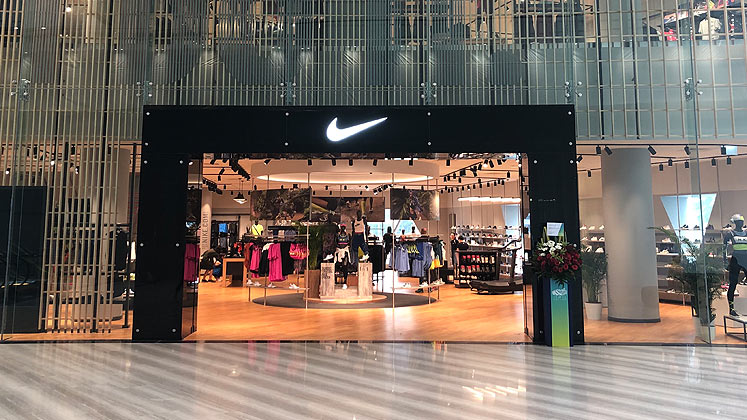
NIKE
The sportswear giant has seen an unwavering performance in the first quarter of 2019, not to the surprise of analysts. NIKE, Inc.’s revenue increased by 4 percent to US $ 10.2 billion, up 10 percent on a currency-neutral basis.Revenue for the NIKE Brand was US $ 9.7 billion, up by 10 percent on a currency-neutral basis, driven by growth across NIKE Direct and wholesale, key categories including Sportswear, Jordan and Basketball, and continued growth across footwear and apparel.
The double-digit growth NIKE saw was fuelled by a ‘deep line up of innovation’ and strong momentum. As per the latest financial report by NIKE, diluted earnings per share for the quarter were US $ 0.67, an increase of 18 per cent as compared to Q4 of 2018.
Net income increased 15 percent to US $ 1.1 billion, which NIKE attributes to strong revenue growth, gross margin expansion and selling and administrative expense leverage.
“Reflecting on our FY ’19 performance, it is clear that growth is paramount at NIKE, and that our strong growth is being driven by strategic transformation. Amid foreign exchange volatility, our double-digit currency-neutral revenue growth and expanding ROIC showcase NIKE’s unrivalled ability to create extraordinary value for consumers and shareholders over the long term,” said Andy Campion, Executive Vice President and CFO, NIKE Inc.
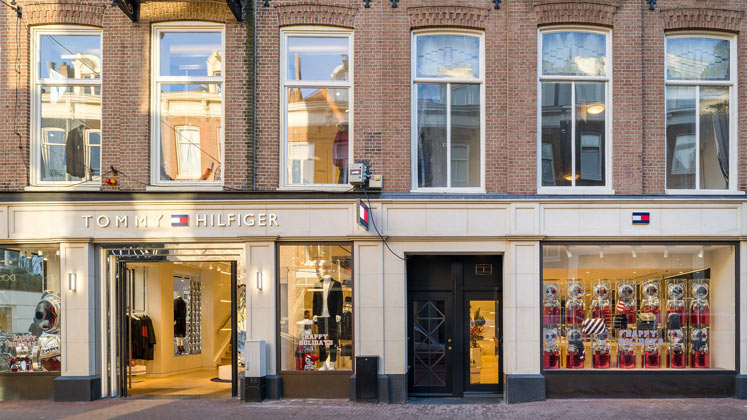
Tommy Hilfiger
The premium clothing retailer, Tommy Hilfiger, has managed to show optimistic number in its statements despite other brands under its parent company, PVH Corp, falling prey to bleak market conditions.
Revenue in the Tommy Hilfiger business for the Q1 of 2019 increased by 4 per cent to US $ 1.1 billion (increasing 9 per cent on a constant currency basis) compared to the same period last year and Tommy Hilfiger International’s revenue in Q1 of 2019 increased by 4 per cent to US $ 680 million (increasing 12 per cent on a constant currency basis) compared to the same period last year, primarily driven by strong performance in Europe.
International comparable store sales also increased by 9 per cent, while Tommy Hilfiger’s North America division revenue increased 3 per cent to US $ 372 million (increasing 3 per cent on a constant currency basis) compared to the prior year period, driven by growth in the North America wholesale business, partially offset by a 4 per cent decline in North America comparable store sales.
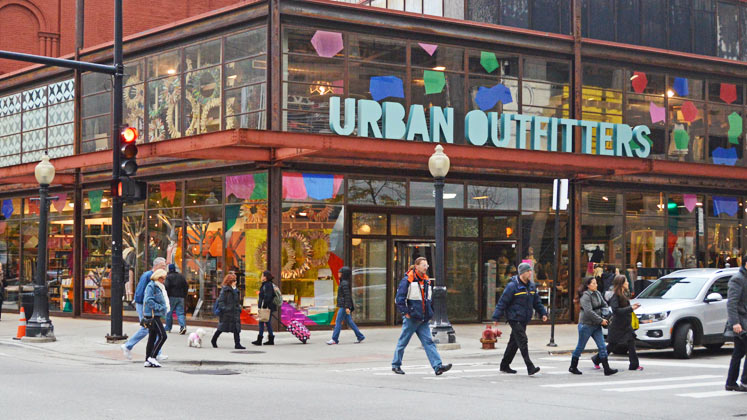
Urban Outfitters
This leading lifestyle products and services company which operates a diverse portfolio of global consumer brands, recently announced a net income of US $ 33 million and earnings per diluted share of US $ 0.31.
This comes after analysts had projected a lower expectation for the brand but it emerged to exceed all expectations. The retailer said it had recorded first-quarter sales of US $ 864 million. Notably, same-store sales increased by 1 per cent, easily beating the 1.3 per cent decline that analysts were anticipating.
“We are pleased to announce record first quarter sales. Our sales growth was driven by our seventh straight quarter of positive Retail segment ‘comps’ as well as continued growth in our Wholesale segment,” said CEO Richard Hayne.
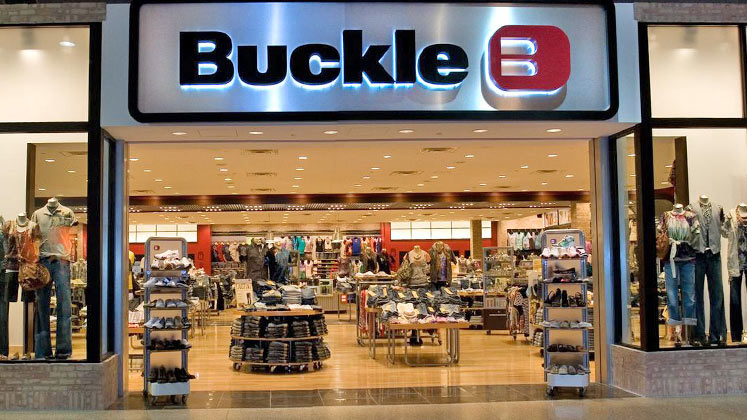
The Buckle Inc.
The Nebraska-headquartered brand is a popular destination for both men and women. Proffering high-quality, on-trend apparel, accessories and footwear, the brand has found its footing in the market as is clear from its latest revenue report.
The Buckle Inc. announced that comparable store net sales open at least for one year, for the 5-week period ended July 6, 2019 increased by 6.2 percent from comparable store net sales for the 5-week period ended July 7, 2018. Net sales for the 5-week fiscal month ended July 6, 2019 increased by 5.5 percent to US $ 74.8 million from net sales of US $ 70.9 million for the prior year 5-week fiscal month ended July 7, 2018.
Comparable store net sales year-to-date for the 22-week period ended July 6, 2019 increased 0.4 percent from comparable store net sales for the 22-week period ended July 7, 2018. Net sales for the 22-week fiscal period ended July 6, 2019 decreased 0.1 percent to US $ 337.6 million from net sales of US $ 338.0 million for the prior year 22-week fiscal period ended July 7, 2018.
The Eminent European Marques
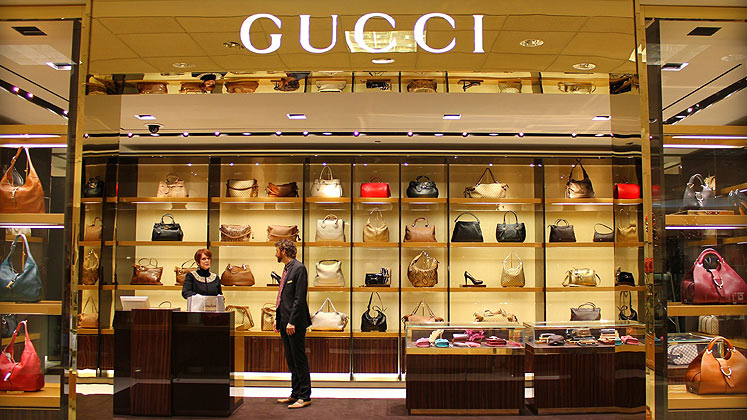
Gucci
The thriving Italian brand has maintained its stellar growth, helping its parent, Paris-based conglomerate, Kering beat revenue forecasts for the first three months of the year and deliver what it is calls ‘a solid start to 2019’.
Gucci saw 20 per cent growth in revenue in Q1 of 2019 to US $ 2.63 billion, still beating the pace of rivals, including LVMH’s Louis Vuitton.
The nearly 100-year-old brand accounts for as much as 80 percent of Kering’s earnings. Therefore, the conglomerate is not worried about the slight dip in its performance as the company stated in its report, “Gucci will naturally expand at a less breakneck pace over time after it more than doubled in size over the past four years, with annual sales reaching more than 8 billion euros (US $ 9 billion).” Despite the dip, Gucci saw the most growth amongst all of Kering’s fashion brands, with sales up by 20 per cent on a comparable basis.

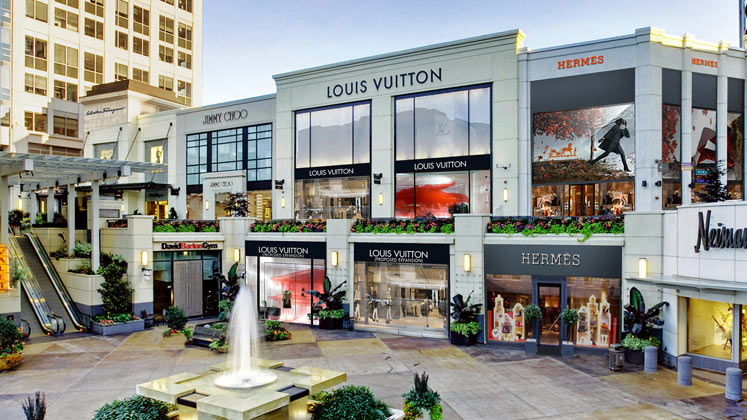
Hermes
In the first quarter of 2019, Hermes’ consolidated revenue amounted to € 1,610 million, up by 16 per cent at current exchange rates and 12 per cent at constant exchange rates, thanks to dynamic sales growth in Group stores (13 per cent at constant exchange rates).
Axel Dumas, Executive Chairman of Hermès, said in its financial report, “Driven by the success of its collections among all its customers, Hermès achieved an acceleration of its sales over the first quarter, which shows the continuation of a dynamic trend, particularly in China.”
Over the first quarter of 2019, all geographical areas recorded sustained growth. Asia excluding Japan achieved an outstanding growth of 17 per cent, with extremely good sales growth driven by Mainland China and two-digit growth in all other countries of this region.
All business lines recorded growth with a remarkable performance of Ready-to-wear and Accessories division. At the end of March 2019, currency fluctuations represented a positive impact on revenue of € 54 million.
Primark
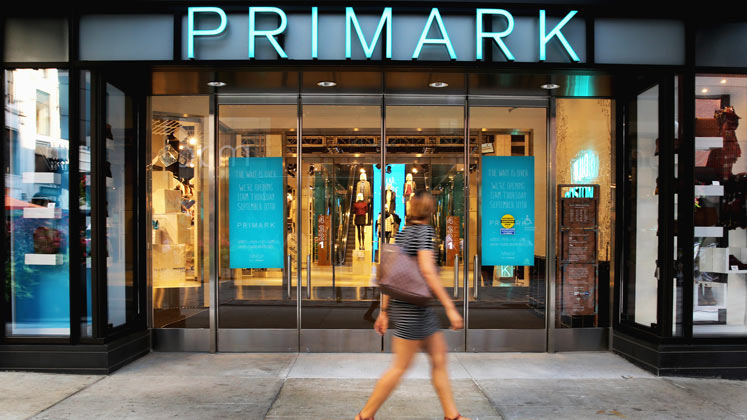
Irish fashion retailer Primark saw its profit rise by no less than 25 per cent in the past six months. Primark’s turnover increased by 4.4 per cent in the first half of this financial year, to £ 3.63 billion( € 4.2 billion), after good performance in continental Europe. Turnover there increased by 5.3 per cent, mainly thanks to Belgium, France, Italy and Spain.
The most striking, however, is Primark’s profit growth: operating profit reached £ 426 million ( € 490 million), 25 per cent more than a year earlier. The fashion chain already accounts for nearly 70 per cent of all profits at Associated British Foods, amounting to £ 639 million ( € 740 million). According to CEO George Weston, Primark owes its ‘excellent profit growth’ to ‘further development of the customer experience and selling space expansion’.
Zalando
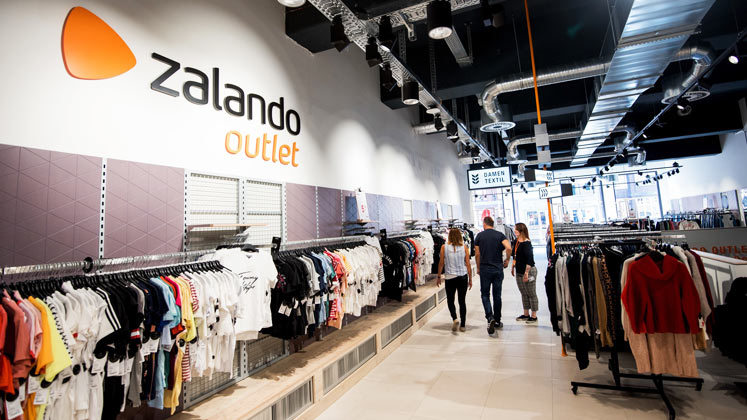
In the first quarter of 2019, Zalando successfully expanded its customer reach, as active customers increased by 14.1 per cent to 27.2 million and site visits increased by 29.5 per cent to 924 million.
Co-CEO Rubin Ritter said, “Our clear customer focus has paid off in the first quarter, as we made further headway to build the starting point for fashion in Europe.”
Zalando continued to capture market share in Q1 of 2019, growing Gross Merchandise Volume (GMV) by 23.1 per cent to € 1.8 billion and revenues by 15.2 per cent to € 1.4 billion. GMV growth notably outpaced revenue growth due to the strong development of the ‘Partner Program’ and revenue recognition effects. Europe’s leading online platform for fashion and lifestyle achieved positive adjusted earnings before interest and tax (EBIT) of € 6.4 million or margin of 0.5 per cent, which was supported by an improved gross margin.