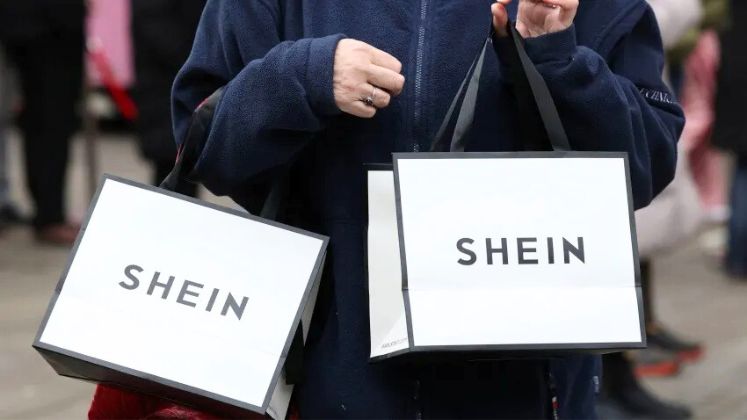
Online fast fashion behemoth SHEIN has confidentially filed for an IPO in Hong Kong in an effort to put pressure on British regulators and hasten its long-delayed listing aspirations, according to a Financial Times report.
According to two people familiar with the situation, the Singapore-based store, which was formed in China, secretly filed a draft prospectus with the Hong Kong exchange (HKEX) last week and sought the China Securities Regulatory Commission’s (CSRC) permission.
About 18 months ago, SHEIN applied to list in London, but it has had difficulty getting regulatory permission and apparently moved its focus to Hong Kong in May.
To date, Chinese and UK regulators have not been able to agree on the proper wording for the company’s prospectus’s risk disclosure section.
These clauses deal with SHEIN’s supply chain exposure in the Xinjiang region of China, which has come under intense scrutiny for alleged violations of human rights against its native Uyghur population. The assertions have been refuted by Chinese authorities.
SHEIN’s prospectus was authorised by the UK’s FCA earlier this year, but the CSRC, which has become more stringent about how businesses disclose the risks of doing business in China, rejected the draft.
Whether Chinese approval would compel the UK regulator to make comparable concessions has been questioned by analysts.
For the almost 17-year-old Chinese-founded business, a London listing had been viewed as a blessing since it would give it international respectability and give it access to a large and experienced pool of Western investors.
SHEIN has had a difficult time achieving its listing goals. SHEIN changed its focus from a New York listing to London last year as US lawmakers continued to object to such difficulties.
In May, an EU inquiry into the company’s business operations revealed that it had violated consumer protection regulations by using pressure selling, phoney discounts, and deceiving customers about sustainability claims.
The company’s problems have only become worse since the US closed its de minimis loophole for low-cost items in May, and the EU and the UK may follow suit.





 Bharat Tex Special Report 2026