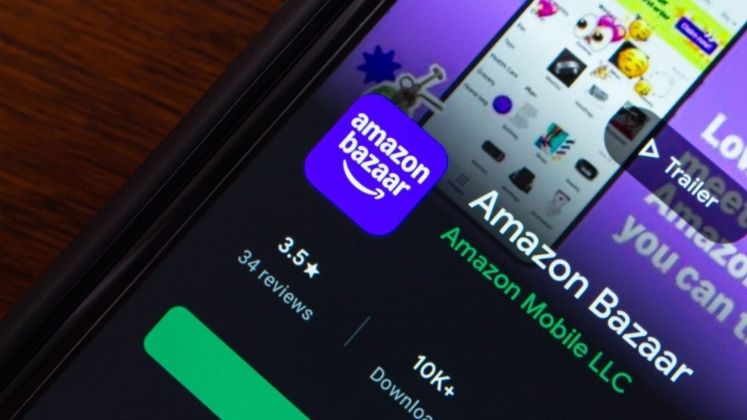
Amazon is expanding its presence in India’s fast-growing value commerce market, with its low-cost shopping marketplace, Amazon Bazaar, recording five-fold year-on-year growth in 2026.
The company has started integrating Bazaar listings into its main shopping app, with products increasingly carrying tags such as ‘also available on Bazaar’ where sellers offer the items at lower prices through the value-commerce platform.
Amazon Bazaar was first launched in India in April 2024, making the India e-commerce major’s first market for the platform, ahead of the launch of Haul in the US and similar offerings in other markets.
The platform focuses on low-cost merchandise with around 70% of the catalogue priced below Rs 300 (US $3.14), while the maximum product price is capped at Rs 600 (US $6.27).
Amazon is expanding Amazon Bazaar by leveraging Amazon’s existing delivery network, seller base and payments infrastructure instead of having to build a separate platform from scratch.
The value-commerce marketplace currently hosts over 30,000 sellers and more than 3 crore products, with the company targeting 1.5-2x growth in the seller base over the next year.
Amazon is also encouraging existing sellers on its main platform to sell their low average selling price (ASP) products on Bazaar as well.
Similar to Meesho, Amazon Bazaar does not charge any commission fees for sellers, and only levies reduced shipping charges. The platform also does not allow returns on products priced below Rs 99 (US $1.04).
Sameer Lalwani, head of Amazon Bazaar, Amazon India, said that value-first shoppers are now among the fastest-growing consumer cohorts online, and the company is increasingly integrating Bazaar into the main Amazon app as it looks to capture shoppers who have flocked to platforms such as Meesho over the past few years.
Lalwani also added that over 65% of Amazon Bazaar orders come from Tier-2 and Tier-3 cities, with a large share driven by first-time ecommerce shoppers. The platform is also witnessing wholesale market-like buying trends, with nearly 25% of orders containing two or more items as customers bundle low-cost purchases to maximise discounts and cashback offers.