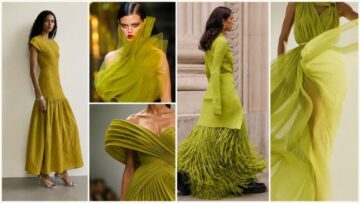
Viscose is made from tree wood pulp, like beech, pine and eucalyptus, but it can also be made from bamboo. Viscose generally enjoys a semi-synthetic status due to the many chemicals, which are involved in the production of viscose, like sodium hydroxide and carbon disulphide. But it is a lightweight fabric and has a nice drape. This makes it viable for garments that need a good fall and feel.
Sanskriti Tulsyan, Operations Manager, Cinnamon Closet mentioned, “We as a brand have a collection made almost entirely out of natural fabrics; with majority cotton clothing and about 10 per cent viscose clothing. We primarily chose viscose for its feel and drape, and since we have a lot of dresses in our collection, we check all boxes of aesthetic requirements. We are a women-only brand – catering to women and led by women, as well. It is often noticed that there is a natural attraction towards clothing made with viscose due to its fall and drape, and the soft feel. It also works really well in hot climates such as that of India”.
Finding a niche
Sanskriti further highlighted that since the last couple years, the awareness about wearing natural fibres is being marketed to the layman. Viscose is natural, has a great feel, drape and sheen to it, while it is economically available in various prints and colours. All these factors, in her opinion, have added up to brands using this fabric majorly and pushing it out to the customers. From a consumer point of view, this fabric sits just right with their expectations as well.
Also Read: COUNTRY OF ORIGIN: MADAGASCAR
In a similar vein, Neetu Jotwani, VP-Sourcing & Product Development, Myntra mentioned, “Viscose is an extremely attractive fabric and there will always be a big bouquet of styles we bring on board for our customers in viscose. In recent times the rise of cotton prices has actually favoured the acceptance of viscose and has increased the adoption of this fabric. However, viscose is more a womenswear fabric though there are blends being used for the menswear segment as well. Largely Men prefer form and viscose being softer and more drapable takes the shape of the body, so its adoption is comparatively much less in Mens. Largely sourced from sustainable fibre partners, our endeavour is to provide environmentally friendly viscose to our consumers through our inhouse brands.”
Viscose is also extremely airy and holds dyes strongly for longer duration. This makes the garments made using viscose last longer, without facing any damage or colour fading. Also, on the environment front, viscose is completely biodegradable. This further makes it a good choice for brands that want to commit to environmental causes and still be able to bring out stylish ensembles.
Stylish and flowy
The team from Reliance, giving a more holistic view of the viscose industry, informed, “Imitating silk-like feel and sheen, Viscose is a versatile fabric crafted from cellulose. It effortlessly blends with other fibres and is highly absorbent and breathable. This heightens the usability of viscose in the apparel industry and has over the years shown the industry that it is a better product than cotton, given its versatile backbone. Moreover, the evolving demands of fashion and the idea of the domestic market to stay abreast with global trends has helped in the progress of viscose. Viscose truly stands out as a heavy drape material in both woven and knitted forms for the ladies garment segment, especially as a replacement to silk.”
Parth Ruparelia, Product Head, Sweet Dreams however mentioned that in the nightwear and loungewear segment, viscose finds very few takers. He stated, “Customer prefers to wear cotton and cotton-spandex garments because of the feel of the material and viscose has not created much impact here, even though we use viscose for our premium range. The fall and feel is one thing, but in our domain viscose dominating is still a bleak possibility.”