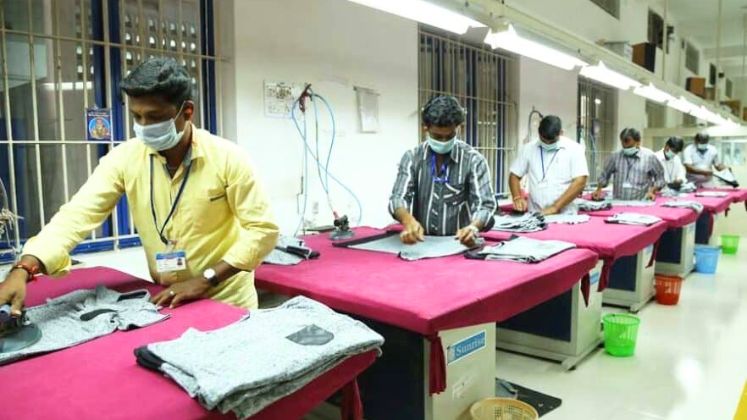
Tirupur, Tamil Nadu, is known as the “knitwear capital” of India and contributes about one-third of the nation’s US $ 16 billion in clothing exports. As US customers consider increasing their sourcing from India in response to higher tariffs on other Asian centres, Tirupur is looking at a tremendous opportunity.
US President Donald Trump intends to slap a 26 per cent tax on India, the sixth-largest exporter of textiles and clothing worldwide, starting in July. This tariff will be lower than the 37 per cent levied on Bangladesh, 46 per cent on Vietnam, and 145 per cent on China, all of which are larger American suppliers. India’s clothing will become considerably more competitive with Bangladesh and China thanks to those taxes.
However, high prices, limited economies of scale, and a shortage of skilled workers are impeding India’s attempts to leverage its tariff advantage.
According to Indian garment exporters, workers must receive training, and many quit within months to work for smaller, unorganised companies that offer higher wages and longer hours. Ten manufacturers and apparel exporter trade associations representing 9,000 enterprises told Reuters that the larger manufacturers are unable to meet the demands of their foreign clients on cost and worker conditions.
In a country where 90 per cent of the workforce works in the unorganised sector, a lack of trained workers is viewed as a major obstacle, particularly in labour-intensive industries like garments.
India has become the most favoured sourcing hub in 2024, according to a study conducted by the United States Fashion Industry Association of 30 major U.S. garment manufacturers. Nearly 60% of respondents said they planned to increase their sourcing from India.
Based on 2024 import data from the US Office of Textiles and Apparel, Reuters calculated that India’s exports would cost US $ 4.31 per square metre of apparel with the tariffs, compared to US $ 4.24 for Bangladesh and US $ 4.35 for China. This represents a significant improvement over India’s competitiveness without the levies.
Walmart imported 1,100 containers of apparel and household items from India between 2nd April and 4th May, almost twice as much as it did during the same period last year, according to data from shipping experts Ocean Audit. The items included pleated maxi skirts and cotton blouses.
Due to increased manpower and other expenses, pricing talks are still difficult even if US retailers are submitting more enquiries in Tirupur. Tirupur exporters reported that they are engaged in tense negotiations with numerous American customers who are actively haggling over Bangladesh’s cost advantage.