-
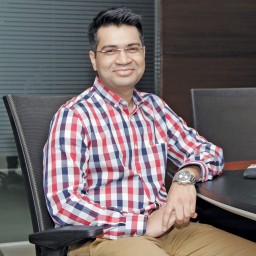
Alif Rahman, Project Coordinator, Northern Tosrifa Group Moqs not commercially viable

- Lack of expertise in fabric manufacturing
Today, everything is about comfort and in recent past sales of denim jeans dipped in the Usa only because of the phenomenal increase in the demand of leggings, a product that has given rise to ‘activewear’ giants such as lululemon. as per leading global information company, NPD Group, growth in activewear buoyed the total Us apparel market from July ’13 to June ’14, helping total apparel sales reach Us $ 206.3 billion, a 1% increase over the prior year. activewear sales accounted for 16% of the total apparel market with sales of Us $ 33.7 billion. it is very clear that people are now willing to spend more than Us $ 60 on a t-shirt or a pair of leggings. this presents a good opportunity to move up the value chain for bangladeshi apparel manufacturers as the country has created its niche in knit apparels with the presence of vertically integrated setups. but that does not seem to be the case with apparel manufacturers such as Fortis Garments, ananta Garments and landmark Group. apparel online spoke to these companies to understand the reasons behind this lost opportunity in activewear, aka sportswear clothing.
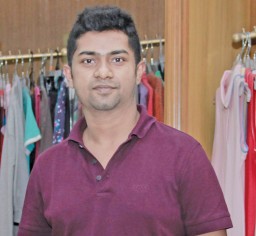
Bangladesh-German-Chinese joint venture, fortis garments was established in 2009 to manufacture sportswear as its core product category for international buyers such as Decathlon, big performance, aldi, fila and inter sports. through the Jv, fortis garments brought under its umbrella many factories that came into existence before its birth. “our factories have been in existence since 1994 and liz fashions is our oldest manufacturing factory; in 2007, we established k a Designs and in 2013 we established habitus fashion,” shares Shahdat Hossan, Managing Director, Fortis Garments. While the us $ 200 million fortis garments was started majorly for sportswear, presently lingerie is the oldest product from the group with 70% of its output from 5 factories, 5,000 sewing machines and 32 circular knitting machines, along with an in- house printing and embroidery setup. of the remaining 30%, sportswear accounts for 20% and the rest is filled by the usual knit apparels. primarily producing underwear, fortis has been working with brands such as calvin klein and M&s, and has also started making bras, a year ago, for similar brands, and some chinese buyers.
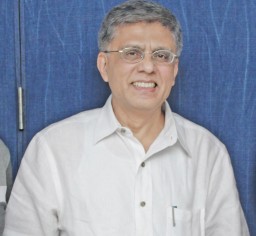
Activewear and sportswear companies such as under armour, north face, nike, adidas, v.f. corporation, puma, amer sports and patagonia retail products are made of specialized fabrics, a niche yet to be acquired by bangladesh, points out Amin Khan, Chairman, Ananta Garments, “sportswear is all about technical fabrics for enhancing the performance of the wearer. one such quality is that of moisture wicking and is found in most of the sportswear products along with other common qualities such as anti- bacterial and moisture proof. Most of them are applied to the fabrics at the processing and finishing stages, but some of them can also be applied at the yarn stages. for example, a fabric has two layers of cotton and polyester, while the cotton layer is in contact with the skin, the polyester layer is on the outside. this helps in faster perspiration.” ananta garments even won the award for the best sportswear manufacturer in 2009 but the company no longer does sportswear as brands do not offer feasible order quantities to satisfy the company’s minimum order quantities.
Growth of Sportswear and Activewear Brands
American retailer Under Armour has now recorded 22 consecutive quarters of 20%-plus revenue growth. Net revenues for the first quarter of 2015 increased 25% to US $ 805 million and net revenues from the apparel category grew by 21% to US $ 555 million.
In the first quarter of 2015, Columbia Sportswear’s net income totalled US $ 26.5 million, up 19% compared from total sales of US $ 479 million in the same period, a rise of 13%. The company recorded net sales of US $ 2.1 billion in 2014.
For the fiscal year 2015, Lululemon expects net revenue to be in the range of US $ 1.97 billion to US $ 2.02 billion. Back in 2014, the company achieved US $ 1.8 billion in sales, an increase of 3% and a gross profit of US $ 914.2 million, an increase of 9% compared to 2013.
Having acquired Bangladesh-based Shariyar Fabric Industries in 2010, Gildan Activewear’s consolidated net sale revenue for the fiscal year 2014 amounted to US $ 2.36 billion, up by 8%.
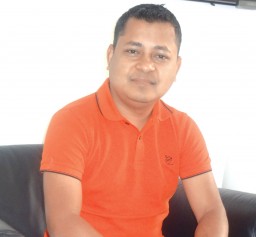
Unlike ananta, northern tosrifa group still does a significant amount of sportswear and activewear clothing. “our production of activewear and sportswear did reduce but all because the scale of business of buyers sourcing such products from us, actually shrunk. but if we get more of sportswear orders, we will do them and as of now we are also doing activewear for Mango sportsmaster, a Russian retailer, which is 5% to 6% of our total annual output,” avers Alif Rahman, Project Coordinator, Northern Tosrifa Group. the us $ 60 million company even produces the specialized fabric for the products with its setup of 52 circular knitting machines. “activewear clothing should provide the wearer instant comfort from perspiration during exercise and to impart this characteristic we use coolmax yarn, imported from china and indonesia, for making the fabric. usually we use 5% coolmax yarn, based on quick dry technology but it depends on the buyer specifications and its use doubles the fob price of the garment. fabrics are also given a hydrophobic or water repellent finish at the fabric processing stages via chemicals. but none of the buyers have asked us to give an anti-microbial finish to the garment yet. i feel it is required for undergarments only,” shares alif and adds that no specialized knitting machines are required for making such fabrics unless the fabrics are warp knitted and require warp knitting machines. usually 5% lycra is required in the fabric but can sometimes go up to 7% to 8%.
Claiming to be the pioneer in manufacturing sportswear and activewear apparels, the us $ 60 million landmark group is among the very few companies in bangladesh, for whom sportswear and activewear is still 50% of their output. “our niche lies not just in manufacturing the apparels but even the fabric in-house, which was possible due to our investment in Mayer & cie circular knitting machines, bruckner’s finishing machine and thies dying machines, along with specialized technicians to handle such fabrics. We manufacture polyester, polyester with nylon, nylon 6, suplex, tencel, pvc, pva, cool max, cool plus, top cool, trevirra, etc. hydrophilic finish, hydrophobic finish, anti-bacterial, wicking and easy care are the few finishes that are done to handle such fabrics,” highlights Rajesh Bhowmik, Director, Landmark Group. aldi, lidl, Walmart and suzy shiers are some of the buyers for whom the company manufactures sportswear and activewear clothing with order quantities ranging between 50,000 pieces to 800,000 pieces per style. commenting on the reduction in the sourcing of sportswear and activewear, Rajesh states, “i agree that it is not easy to handle such clothing but the reasons why we downsized our output of sportswear, was to diversify as we don’t want to rely on one product category.” the company has started producing knit apparels for brands such as Jockey, which Rajesh claims are more lucrative then sportswear.
Another deterrent in expanding in sportswear despite a long experience in manufacturing t-shirts, jackets and track pants for the category is the fact that polyester fabrics produce a lot of wastages, unlike cotton fabrics, because the fabric is relatively more susceptible to damage from external agents in the working environment, increasing the rejections and the defect rate. the production requires interventions for every process to control the fluff that is produced during cutting, and the cutting area has to be enclosed. “We hired 6 turkish technicians to do such interventions in the factory and to train the workforce,” explains shahdat. in another move, fortis garments is planning to set up a dye house to process the 100% polyester fabric it sources from china. “With the fabric processing in-house, we would be able to control the shade variation and other processing-related defects, for which we will also get chinese technicians,” shares shahdat, who is looking at reducing defective fabric wastages by 5% with in-house processing.
In the meanwhile, fortis garments focus has moved to bonded sportswear for which the company has already purchased machines from framis italia. “since it is hard to go 100% bonded from the first day, we have started with seamless pockets and zippers, looking at a sure and shot hike in the average fob of our sportswear products,” says shahdat, taking cue from the kind of sportswear apparels manufactured by china, vietnam and indonesia, who besides having the experience in the product category also have access to the niche fabrics required for such clothing. a case in point is the fact that sports giant puma sources 33% of its products from china, 21% from vietnam and 10% from indonesia. but the industry is positive of sharing a pie of the activewear and sportswear market along with the aforementioned countries with investment coming in for manufacturing synthetic fabric.