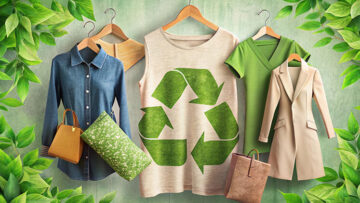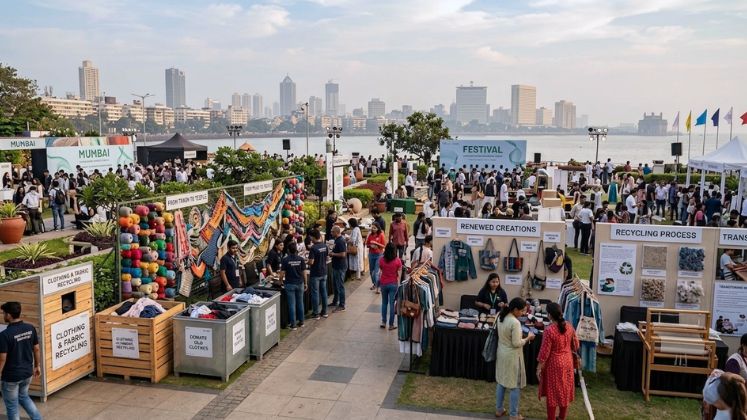
ReFiber, the technology-enabled circular economy platform for post-consumer textile waste, is set to launch Mumbai’s Mega Post-Consumer Textile Waste Collection & Upcycling Initiative on 5th June 2026, coinciding with World Environment Day. The programme aims to establish a circular textile ecosystem by collecting, sorting, recovering and upcycling post-consumer textile waste while generating measurable environmental and social benefits.
The launch event will be held at the MVIRDC World Trade Centre, Mumbai, and will be attended by Vrunda Desai, Textile Commissioner at the Ministry of Textiles, Government of India, as Chief Guest.
A key feature of the launch will be the inauguration of the ReFiber Upcycled Products Marketplace, which will showcase products created by social enterprise and NGO, Tisser. The marketplace is expected to expand access to upcycled products across India while creating sustainable livelihood opportunities for women artisans and self-help groups.
The initiative seeks to convert textile waste into value-added products while promoting economic empowerment among women and local communities. It also aims to strengthen the adoption of circular economy principles within the textile sector.
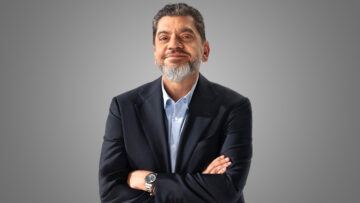
Shrikant Bhangdiya, Managing Director and Chief Executive Officer of MKS Ecosphere LLP – ReFiber, stated that the public launch marked an important step towards building a scalable circular textile ecosystem in India.
Bhangdiya added that through collaborations with Tisser, the United Nations Industrial Development Organization (UNIDO), the Clothing Manufacturers Association of India (CMAI), World Trade Centre Mumbai and Lions International, the initiative seeks to address textile waste challenges while generating economic opportunities for women and communities. He noted that the broader objective was to transform waste into value and encourage collective action towards sustainability.
Together, the organisations aim to advance a circular textile economy, encourage responsible consumption, support women-led livelihoods and create long-term environmental and social impact.