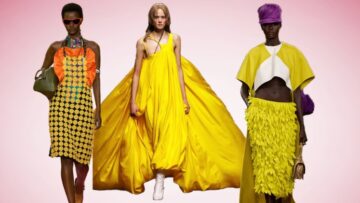
The plus-size revolution has made a notable impact on the fashion industry and community. It has constructively promoted body positivity, individuality, self-acceptance and self-appreciation. One instrumental development has been the emergence of several courageous plus-size people who have used the power of social media to challenge traditional beauty standards and promote self-acceptance and body positivity.
The significant shift in beauty standards has changed society’s perception about idealistic body types and glorified a certain size as a benchmark for women and men across the globe.
Being a plus-size woman and the founder of an Indian plus-size fashion brand, I’ve witnessed and contributed to the transformative journey of the plus-size fashion landscape in the country. Over the past few years, there has been a significant shift towards inclusivity and diversity within the industry. The fashion industry in India has always been focused on standard sizing, often neglecting the diverse body types and sizes that exist.
However, with increasing awareness about body positivity, the industry has begun to embrace a more inclusive approach. This shift is not only driven by consumer demand but also by the recognition of the importance of representing and celebrating all body sizes.
| India, as a nation, has become progressive but there is still a long way to go! People have started prioritising and celebrating themselves! Chakshu, CEO and Founder, Mamicha |
Mindset shift and size-inclusive market
Brands have recognised the untapped market potential of catering to plus-size women, leading to the creation of specialised collections that prioritise both style and comfort. Previously, plus-size fashion was quite limited and brands came up with an uninspiring range of clothing with no options, designs or colours.
The fashion industry in India is gradually shifting towards a more inclusive mindset, with fashion shows featuring diverse models and campaigns celebrating body diversity becoming more common. Major fashion events are starting to showcase collections that are representative of a wider range of sizes, challenging the traditional norms that have prevailed for so long.
While the landscape is evolving positively, there is still work to be done. Challenges such as changing societal perceptions and overcoming ingrained biases within the industry persist. As a founder, I am committed to contributing to this evolution by providing stylish and empowering options for plus-size women, ultimately helping redefine beauty standards in India.
India, as a nation, has become progressive but there is still a long way to go! People have started prioritising and celebrating themselves!
Globally, the fashion industry has witnessed a great shift in recent years with many brands and designers moving towards inclusivity. For instance, we saw Miss Nepal, Jane Dipika Garrett, as the first plus-size model competing in Miss Universe 2023. The fashion industry needs to continue championing diversity, not only in terms of size but also in terms of ethnicity, age and abilities. Embracing body positivity is not just a matter of representation; it is a fundamental shift towards promoting a healthier and more inclusive perception of beauty, fostering a society where every woman feels valued and celebrated for who she is.
How social media turns out to be a boon for plus-size revolution
With the world going digital and increasing the significance of social media in everyone’s life, media has been a powerful catalyst in driving the transformation towards body positivity and inclusivity.
For example, Influencer marketing has played a very important and crucial role in making fuller body women relatable with many body positive influencers. Gone are the days when Magazine Cover images were just as per societal standards. Thanks to some of the editors like Nandini Bhalla who played an important role in bringing this change!
Social media has played a transformative role in fostering a sense of community amongst plus-size individuals, promoting self-love and challenging stereotypes in impactful ways.
Community Building: Hashtags such as #BodyPositivity and #PlusSizeFashion have become rallying points for individuals to find like-minded people, fostering a sense of belongingness and community sharing.
Body Positivity Movements: From campaigns like Zivame’s har pal ko own karo to designers like Sabyasachi, they all are using diverse models to showcase their unapologetic selves!
Fashion and Style Inspiration: Thanks to social media, plus-size fashion influencers are a thing now! There is no more looking at cute outfits and wondering and wishing if they could be in one’s size. Now people see plus-size models and influencers wearing versatile fits and can relate with them more!
Real and Authentic Narratives: Social media allows people to be themselves! People can share their journey and build connections with people with similar journeys.
Positive Affirmations: With social media interactions, people connect with everyone across the globe which leads to more words of positivity and encouragement from across the globe.
Educational Content: For instance, we at Mamicha use social media to educate our audience on the pain points that our designs and silhouettes cater to.
Activism and Advocacy: From challenging discriminatory policies to demanding better representation in media, these platforms empower individuals to collectively address systemic issues and work towards a positive change in the fashion industry.
Accessibility impacts demand
The availability of fashionable plus-size clothing is a transformative force!
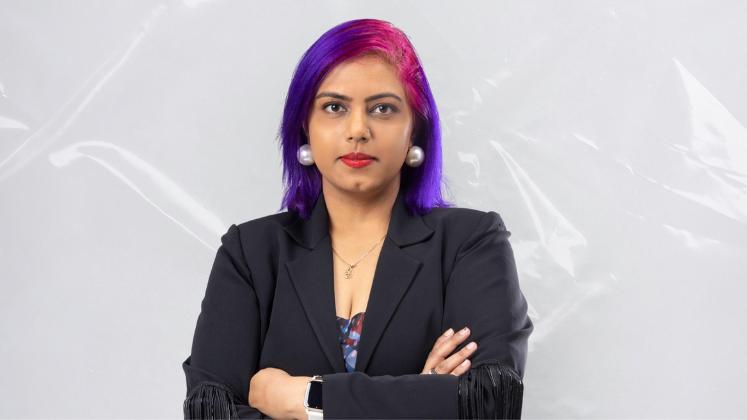
“For instance, I am someone who loves to express herself not only verbally but also through my appearance. There’s no colour I have not put on my hair!”
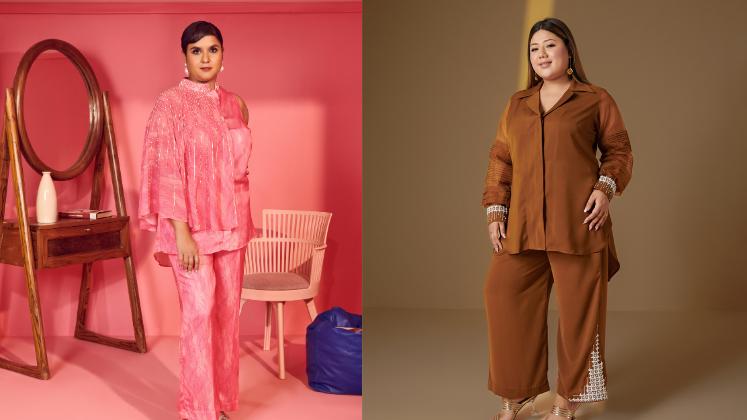
Awareness about body positivity and self-love has led to a new niche market in plus-size clothing which not only extends to designs but also leads to sizes that go up to 15XL! Such availability of plus-size fashion as well as its confident representation helps individuals boost their confidence even more with non-verbal communication like dressing up and expressing themselves through style!
Runway effect
Fashion events and runways are increasingly becoming more equitable, reflecting a positive shift towards diversity in the industry. Plus-size models and designers catering to a broader audience are gaining visibility, challenging traditional norms. In 2023, right from major fashion weeks to pageants like Miss Universe, we witnessed the participation of a diverse community.
| Brands are recognising the importance of reflecting the diverse body types of their consumers, breaking away from long-standing stereotypes. By featuring plus-size models in campaigns, brands are not only reflecting the reality of their consumer base but also contributing to a more inclusive and empowering narrative. |
Development of niche market
Brands are recognising the importance of reflecting the diverse body types of their consumers, breaking away from long-standing stereotypes. This shift acknowledges that beauty comes in all shapes and sizes. By featuring plus-size models in campaigns, brands are not only reflecting the reality of their consumer base but also contributing to a more inclusive and empowering narrative. This movement is reshaping societal perceptions of beauty, promoting self-acceptance and inspiring a positive change in the way individuals relate to and appreciate diverse body types.
More and more brands entering this niche market show the ever-growing demand in this space. More brands mean more options and variety available to the Target audience as each brand has its own design aesthetics, language and signature styles. Gone are the days when big brands like M&S and H&M were the only brands available for plus-size basic clothing. Emerging home-grown brands like Mamicha, Sand by Shirin, Amydus, etc., have brought in a lot of innovation with their design aesthetics and language to the audience.
The future of plus-size fashion in the Indian market is surely exciting and bright. We can expect more innovative designs – experimenting with silhouettes, fabrics and embellishments; customisation – offering a more personalised shopping experience for plus-size people; inclusive runway shows and campaigns – making such events as normal and not historic; technology – advancements in sizing technology like 3D Body Scanning can play a pivotal role; and increased retail presence – more and more plus-size retail chains should be launched across the country.