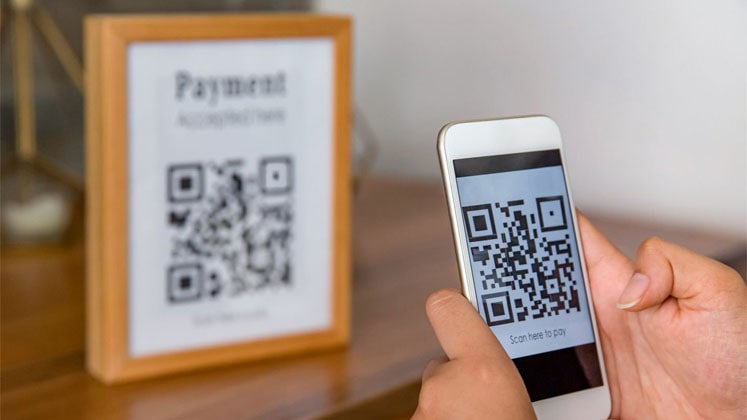
A report from RBR reveals a significant surge in the adoption of mobile self-scanning technology by retailers worldwide. In 2022 alone, an additional 11,500 stores implemented this service, bringing the total number of locations offering mobile self-scanning to over 57,000. The technology allows customers to scan items using their own smartphones or handheld devices provided by the retailers.
While mobile self-scanning using retailer-provided devices has been prevalent in many European countries, RBR’s study demonstrates a growing trend of offering the service through smartphone applications. Major supermarket chains in Germany, Japan, and Sweden expanded their mobile self-scanning offerings to numerous outlets throughout 2022. Moreover, retailers are increasingly experimenting with smart carts that automatically record the items placed within them.
The introduction of smartphone applications has facilitated the expansion of mobile self-scanning into new markets. By the end of 2022, countries such as Egypt, Taiwan, Kuwait, and the Philippines had implemented mobile self-scanning capabilities for customers. The research indicates that various types of retailers are embracing this technology, with more than a third of stores offering mobile self-scanning being non-grocery establishments.
RBR forecasts a robust growth rate of 20 per cent per year in the mobile self-scanning market over the next six years. Supermarket chains currently employing handheld devices are expected to incorporate consumer applications into their offerings, while cart-based solutions are predicted to become more prevalent in Asia. The trend of self-scanning is also expected to expand into other retail segments such as convenience stores with fuel, home improvement, and specialty retail.
According to Alex Maple, an analyst at RBR, the rapid growth in the number of stores offering mobile self-scanning is anticipated to continue globally across various merchant sectors. Retailers can utilise this technology to address rising costs and labor shortages while simultaneously providing customers with a choice of shopping experiences.