Bestseller, based in Denmark, is the provider of fast affordable fashion for women, men, teenage and children. It has joined Organic Cotton Accelerator (OCA) for securing transparent organic cotton stream and investing in industry’s growth.
The retailer joined OCA back in 2019 and has signed a deal with two farm groups in India totalling approximately 2,000 organic cotton farmers for the current season. “Since there are so many challenges with the global organic cotton market, we want our organic cotton to be directly sourced. We want to know where it came from and the communities that grew it, what impact our investment has on it and how our pre-financing of seeds has helped,” said Danique Lodewijks, Bestseller’s Sustainability Senior Project Specialist.
Around 1,500 tonnes of organic cotton are expected to be secured from the current harvest that will be used directly in Bestseller’s supply chain. This amount of organic cotton can be utilised in the manufacturing of almost 3 million T-shirts. Bestseller will also take part in the OCA’s initiative of Farm Engagement & Development (FED) projects in 2020/21.
Lodewijks further tells that cotton accounts for 50 per cent of the retailer’s total fibre consumption and the FED project will provide a fraction of cotton that will be used in 2021. Bestseller is also exploring similar ventures in Africa, Pakistan and Turkey.
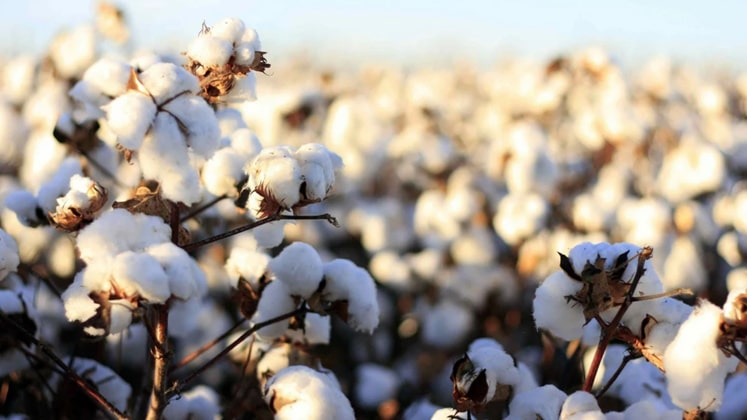
The transparency of organic cotton supply is much of a concern since it amounts to only one percent of the global cotton production. Therefore, there are many mismatches between direct supply and demand for which having a direct contact with the farmers is one of the best preferred ways to secure integrity, quality and supply.
This approach will enable a direct connect between the retailers and the farmers removing any middlemen and will therefore ensure authenticity. India is the leading producer of organic cotton globally and Bestseller, in collaboration with OCA, is helping make organic farming a viable choice for cotton growers in India. The initiative will reduce the use of any chemical, pesticides, fertilizers drastically improving the economic and environmental benefits.