The world has been taken over by the technology providing giants, tech-enabling firms and everything tech, especially in the last two pandemic years that has only accelerated this move towards technology. And apparel and fashion industry is no exception. In fact, the last decade has seem some amazing collaborations between fashion brands and tech companies.
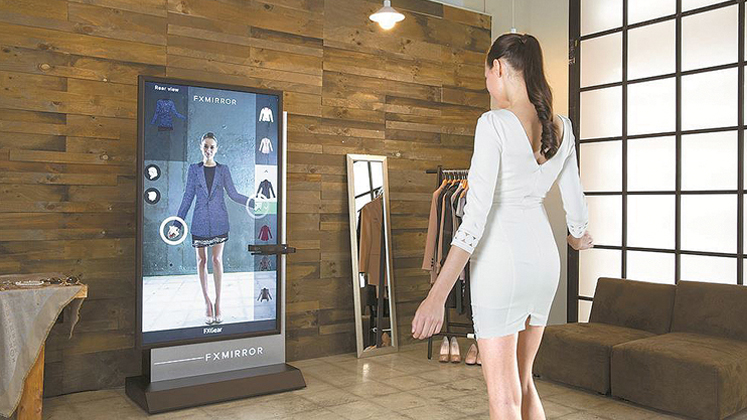
The pandemic induced by COVID-19 has pushed every segment, every brand to move online, to push their digital side, to offer better tech experiences, in order to give a seamless and an almost offline-like experience to their consumer base. From virtual trial experiences to luxury brands creating digital-only pieces, fashion as a segment, has its eyes set on some big endeavours in the technology sector. Not only established and bigger names, but even new age start-ups are now leading the industry on the back of technology. This push for innovation is mostly consumer-led with the new generation of shoppers demanding both ethical and cutting-edge substitutes for traditional processes.
Who’s collaborating and how?
“Staying connected and walking along with the latest technologies is crucial. At Numero Uno, we are using AI tools for providing customers the best-in-class support for making online shopping a comfortable experience. We are also using technology to reach to the customers with the help of websites and applications. Our CRM tool also helps us keep in touch with our loyal customer base in an ever-engaging manner and helps us provide targeted solutions to them. For making the overall experience better, our software developers are working to promote our technological tools in an ever-inspiring manner,” said Ramesh Kapoor, CFO, NumeroUno.
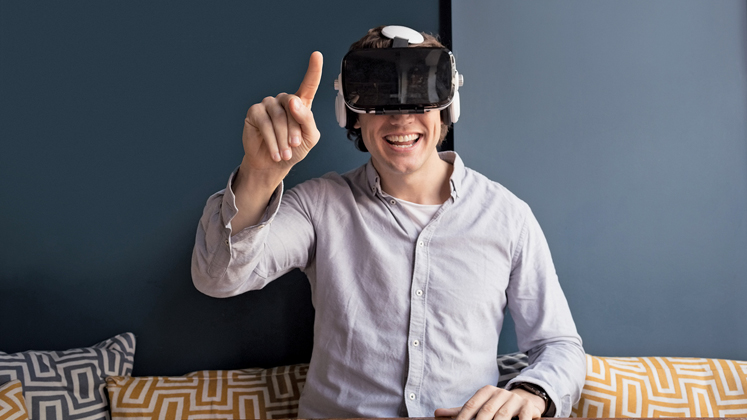
While many apparel brands have now onboarded and collaborated with a number of tech providing companies to make their internal systems, inventory management, logistics and even retail management including website experience, etc., seamless and easy to operate and navigate with, let’s dive deeper into what has caught our attention in the past few years.
In 2019, Bestseller India (Jack & Jones, Only, Vero Moda and Selected) partnered with IBM for better and tech-driven insights on its design and production side. Ranjan Sharma, CIO and Head of Supply Chain, Bestseller India, had said, “Historically, most fashion retailers tend to rely upon past experience and ‘gut’ instinct to decide which designs to manufacture, what quantities to produce and where to market their wares. But the diversity and dynamism of the Indian market revealed the limitations of a gut strategy, especially when Bestseller India looked closely into why its top-selling label was no longer performing as expected.” Bestseller India had set a very ambitious goal with IBM, that is, to develop a totally new, bespoke platform with AI capabilities to support preseason design, planning, production and forecasting — essentially modernising processes by empowering employees with technology. Later in 2022, the fashion house announced its partnership with Trell to launch fashion brands Jack&Jones, Vero Moda and Only on the social commerce platform.
Sportswear brand Puma collaborated with Increff that provides the brand with a comprehensive technology platform that integrated WMS and OMS with their existing ERP, giving a single view of the inventory and multi-system integration capability that is built to scale. The live inventory-order sync feature helped in real-time (less than 30 seconds) inventory update for better stock management. Increff now manages complete e-commerce business for the brand across multiple warehouses.
In 2022, Aditya Birla Fashion and Retail Limited (ABFRL) announced its plans to partner with IT services firm Accenture to drive digital transformation at the clothing brand that is designed to drive growth, increase business agility and improve operational efficiency. Accenture will design, develop and deploy an ERP system to streamline business processes and improve visibility and accessibility of data across ABFRL stores. ABFRL has also partnered with fashion designer Masaba and plans to scale Brand Masaba through direct-to-consumer (D2C) channels in the segment.
Last year, omnichannel retail brand Ace Turtle entered into partnership with B2B fashion manufacturing company Fashinza. As a part of this deal, Fashinza is helping in the execution of big volume orders, giving Ace Turtle access to production floor transparency and visibility through the technology platform, quality assurance, merchandising, logistics & export support when dealing with suppliers from Bangladesh and other global supply bases.
While these are few examples of great collaboration and partnership between technology and fashion, these are not the only ones. The overall retail industry is going tech-savvy in one way or the other and this is proving to be the only survival strategy currently.
Another thing on the same lines has been blockchain. Now is the time for retail businesses to use blockchain to handle all of the new normal’s challenges and difficulties. Blockchain is essentially a distributed database that can be accessed by a network of computers (distributed ledger). A record becomes immutable once it is added to the block (ledger). The network nodes check for the newest version of the blockchain on a regular basis to verify that all copies of the database are identical. The focus of blockchain is on decentralised peer-to-peer transactions (currency or digital assets) that are not controlled by a single centralised body. The database is transparent, and it keeps a comprehensive history of all transactions. Blockchains are protected by complicated cryptographic protocols and may only be accessed via public and private keys.





 Bharat Tex Special Report 2026