In the next three to five years, generative AI, which is still in its infancy, could boost operating profits in the garment, fashion, and luxury industries by up to US $ 275 billion.
According to the research conducted by McKinsey partners Holger Harreis, Theodora Koullias, Roger Roberts, and Kimberly Te, generative AI has the ability to boost productivity, speed up time to market, and improve customer service for the fashion industry.
A digital arms race to develop and release rivals was started when OpenAI’s ChatGPT became an overnight sensation.
Generative AI can provide designers and other fashion industry professionals with the technological capabilities to complete some tasks significantly faster, freeing them up to spend more time on activities that are unique to people.
Technology can be used by the fashion industry to develop more marketable designs, lower marketing expenses, hyperpersonalize client communications, and expedite procedures. Also, it might change how the logistics and supply chain, shop operations, and administration are done.
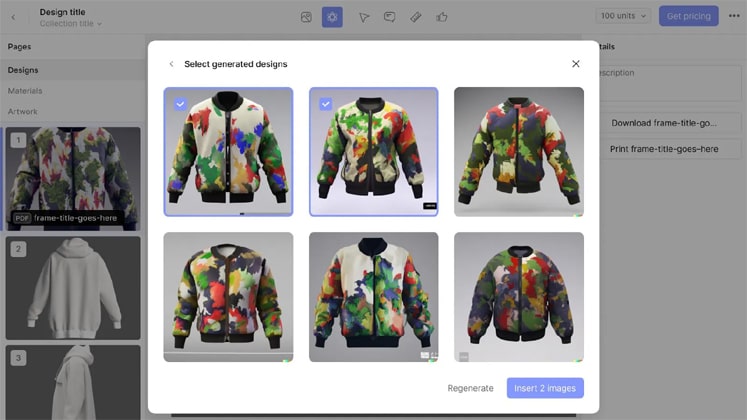
Already, generative AI is being used by fashion designers to generate fresh concepts, experiment with a wide range of design options without having to manufacture costly samples, and greatly speed up their workflow.
Research from McKinsey suggests that individualised customer communications could potentially benefit from the use of generative AI. According to the research, businesses that thrive in personalisation see a 40 per cent rise in revenue over those that don’t.
Another example of how generative AI might enhance sales and customer experience is virtual try-ons.
Even though generative AI technology is fascinating, firms will want to proceed cautiously before leaving any of their essential functions totally to generative AI, according to the McKinsey experts.






 Bharat Tex Special Report 2026