Recently held Southern African Clothing and Textile Workers’ Union (SACTWU) Annual National Bargaining Conference, which was attended by 430 delegates and union officials decided to broaden worker participation and shop floor democracy by expanding the conference to involve more worker leaders and workplaces in its collective bargaining processes. The delegates represented 99,000 SACTWU members in the clothing, textile, leather, distribution and related sectors in all parts of South Africa. The main purpose of the Conference was to consolidate nationally the union’s workplace-collected Living Wage demands for the 2014 round of substantive negotiations.
Country: South Africa
H&M to open first store in South Africa
H&M has seen major global expansions over the last decade and now it is set to open its first store in South Africa in 2015, its first foray into sub-Saharan Africa. The retailer has recently signed a contract for a store in Johannesburg and is also looking to open a store in Cape Town as well. “We’re still in the early stages … but there will be several stores,” says H&M spokeswoman Camilla Emilsson.
Also Read: H&M opens its first store in India
Woolworths records profit based on trends that are pumping the South African economy…
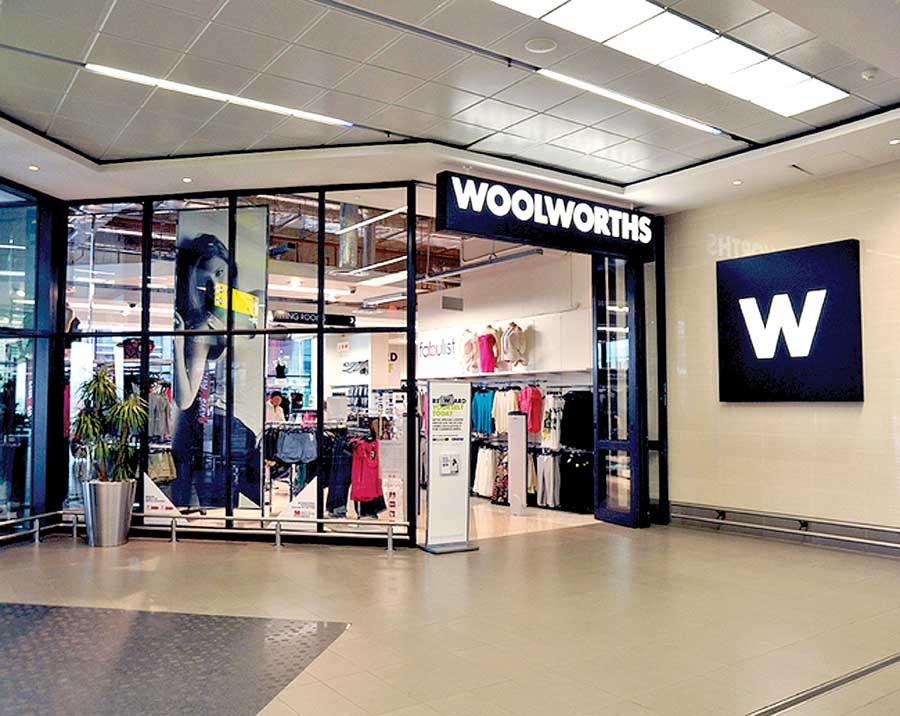
Rated as South Africa’s most reputable company among the top 20 JSE (Johannesburg Stock Exchange)-listed companies, Woolworths with a successful growth chart is aiming to progress towards becoming the most loved retailer amongst upper income and aspirational customers in the country, reporting a 13.7% increase in its clothing sales. Similar in style and products to Britain’s Marks & Spencer Group, the brand which until recently had been losing market share in its clothing business‚ took decisive steps to shorten its merchandise cycle, thereby lifting performance in its apparel division, apart from its quality food, beauty and homeware segments…
Spread over 448 stores in South Africa, other African countries and the Middle East, the Cape Town based retailer has benefited from South Africa’s emerging economy which has encouraged spending due to recent wage increment above inflation levels and years of low interest rates. The rising black middle class is continuing to drive a disproportionate growth especially with brands that have a retail rating of LSM 8 – 10, as is the case with Woolworths. Retail analysts anticipate that if the company continues to focus on fashion current merchandise, the retailer should see consistent growth of 26% till 2015, bringing its products to 28% of the total population, which would account for 47% of the spending made on clothing within South Africa in 2015.

Constantly vigilant of changes, the company is fast to execute new plans to remain competitive in an otherwise tough economic situation. “We’ve reduced the length of time it takes from design through to store delivery. We’re injecting newness every two weeks. The things we needed to fix‚ we fixed,” said Ian Moir, CEO, Woolworths. Making significant changes in its sourcing cycle leading to shorter lead times, the brand’s new philosophy lies in more fashion right goods, more frequent newness in stores, improved margins and an increased return on sales. In 2012, the company reduced their merchandise cycle by six weeks, increased the proportion of goods bought direct rather than through an agent or third party and also increased the percentage of the goods they buy offshore, maintaining 20% local sourcing, all to ensure lower prices and exceptional value for customers.
[bleft]The company reduced their merchandise cycle by six weeks, and increased the proportion of goods bought direct. It also increased the percentage of the goods they buy offshore, all to ensure lower prices and exceptional value for customers. [/bleft]
Also, the gaining momentum of m-commerce, particularly important in South Africa with more than double the number of people accessing internet via their phones (12 million) rather than via computers, has made the company recently invest in a big way in its on-line experience. Creating an omni-channel module in order to become more customer-centric, integrating systems to enable a seamless experience across stores and on-line, they upgraded their on-line experience, expanded their product offer and information on-line. The retailer launched an f-commerce store in January 2012 as a part of their 3-year plan to make shopping more convenient, following the launch of its new and improved website in July 2011.
“This is just the beginning and there’ll be plenty more. Already customers can shop for women’s, men’s and kids’ clothing while browsing and chatting to their friends, and in the future, we will be enhancing this development to include food,” said Nikki Cockcroft, Head of Online at the company.
Woolworths records profits based on trends that are pumping the South African economy…
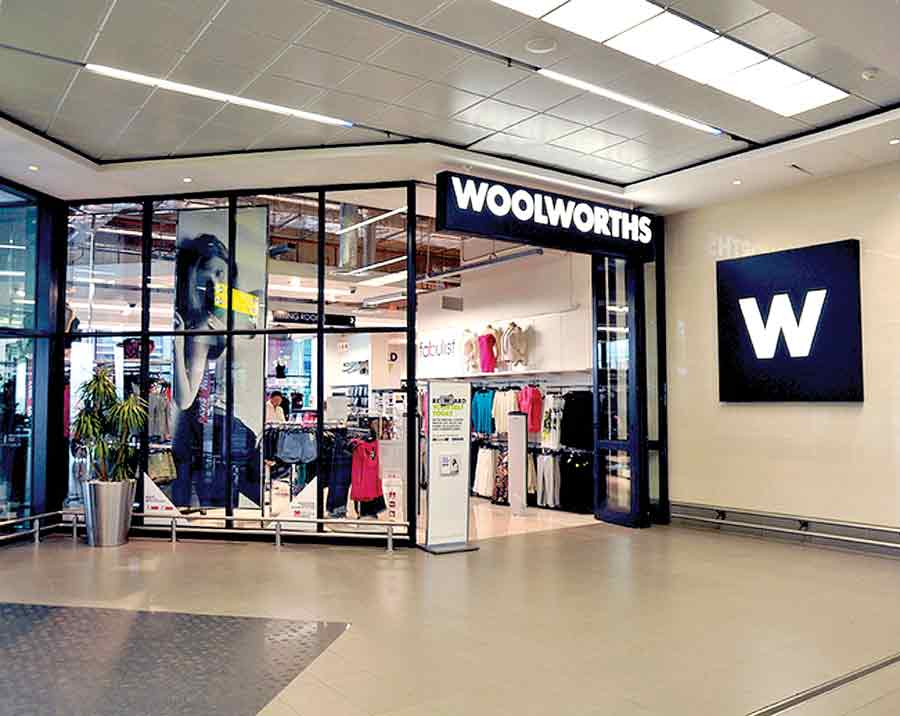
Rated as South Africa’s most reputable company among the top 20 JSE (Johannesburg Stock Exchange)-listed companies, Woolworths with a successful growth chart is aiming to progress towards becoming the most loved retailer amongst upper income and aspirational customers in the country, reporting a 13.7% increase in its clothing sales. Similar in style and products to Britain’s Marks & Spencer Group, the brand which until recently had been losing market share in its clothing business‚ took decisive steps to shorten its merchandise cycle, thereby lifting performance in its apparel division, apart from its quality food, beauty and homeware segments…
Spread over 448 stores in South Africa, other African countries and the Middle East, the Cape Town based retailer has benefited from South Africa’s emerging economy which has encouraged spending due to recent wage increment above inflation levels and years of low interest rates. The rising black middle class is continuing to drive a disproportionate growth especially with brands that have a retail rating of LSM 8 – 10, as is the case with Woolworths. Retail analysts anticipate that if the company continues to focus on fashion current merchandise, the retailer should see consistent growth of 26% till 2015, bringing its products to 28% of the total population, which would account for 47% of the spending made on clothing within South Africa in 2015.
[bleft]The company reduced their merchandise cycle by six weeks, and increased the proportion of goods bought direct. It also increased the percentage of the goods they buy offshore, all to ensure lower prices and exceptional value for customers. [/bleft]
Constantly vigilant of changes, the company is fast to execute new plans to remain competitive in an otherwise tough economic situation. “We’ve reduced the length of time it takes from design through to store delivery. We’re injecting newness every two weeks. The things we needed to fix‚ we fixed,” said Ian Moir, CEO, Woolworths. Making significant changes in its sourcing cycle leading to shorter lead times, the brand’s new philosophy lies in more fashion right goods, more frequent newness in stores, improved margins and an increased return on sales. In 2012, the company reduced their merchandise cycle by six weeks, increased the proportion of goods bought direct rather than through an agent or third party and also increased the percentage of the goods they buy offshore, maintaining 20% local sourcing, all to ensure lower prices and exceptional value for customers.
Also, the gaining momentum of m-commerce, particularly important in South Africa with more than double the number of people accessing internet via their phones (12 million) rather than via computers, has made the company recently invest in a big way in its on-line experience. Creating an omni-channel module in order to become more customer-centric, integrating systems to enable a seamless experience across stores and on-line, they upgraded their on-line experience, expanded their product offer and information on-line. The retailer launched an f-commerce store in January 2012 as a part of their 3-year plan to make shopping more convenient, following the launch of its new and improved website in July 2011.
“This is just the beginning and there’ll be plenty more. Already customers can shop for women’s, men’s and kids’ clothing while browsing and chatting to their friends, and in the future, we will be enhancing this development to include food,” said Nikki Cockcroft, Head of Online at the company.