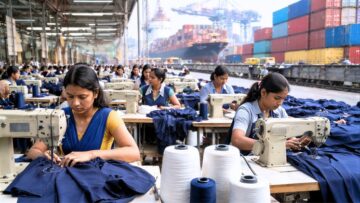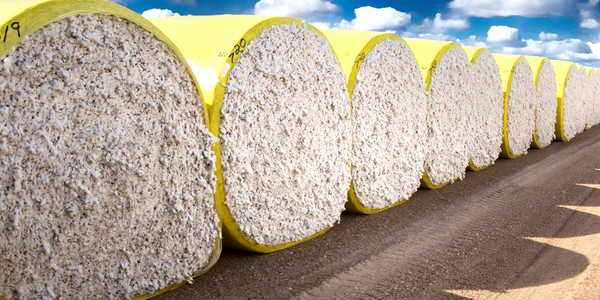
According to the International Cotton Advisory Committee (ICAC), consumption of cotton in Bangladesh is all set to increase 10 per cent to more than 1 million tonnes this fiscal year in the backdrop of higher demand from garment makers and favourable Government policies for the textile sector.
The Washington-based body (International Cotton Advisory Committee), which provides statistics on world cotton production, consumption, trade and stocks, and identifies emerging changes in the world cotton market, in its latest report released recently, also underlined that cotton consumption in Vietnam, one of the major competitors of Bangladesh in global apparel trade, will rise 20 per cent to 1.1 million tonnes during the period.
Also Read – Cotton Export May Grow by 18% in 2015-16
Vice-President of Bangladesh Garment Manufacturers and Exporters Association (BGMEA) Mahmud Hasan Khan Babu, has supported and acknowledged the claims made by the International Cotton Advisory Committee. In the first five months of fiscal 2015-16, US $ 10.47 billion of garment products were shipped, up 16.13 per cent Year-on-Year, according to data from the Export Promotion Bureau.
“We have a lot of spindle capacity,” said Alamin, also a former President of Bangladesh Textile Mills Association, adding, “All we need now is adequate supply of power and gas to run the factories at full steam.” Bangladesh Textile Mills Association is a platform for spinners and weavers of the country.
Also Read – Cotton Value Chain Scenario in Bangladesh: India will remain its strong partner
The ICAC report also said world cotton consumption has been revised downward from initial projections to 24.4 million tonnes and despite optimism from the narrowing gap between polyester prices and cotton prices at the start of 2014-15 and falling domestic cotton prices, cotton consumption in China, the world’s largest cotton user, remained unchanged from 2013-14 at 7.5 million tonnes. However, Pakistan, which in previous years had benefitted from the growing demand for cotton yarn in China, is expected to see mill use decrease 10 per cent to 2.2 million tonnes this season.