Economic development is a matter of pride for any nation and given Bangladesh’s rate of progress, the country is expected to graduate from the LDC status by 2024. As per experts, making it to the league of the developing nations would, however, come at the cost of losing the trade benefits that it currently enjoys.
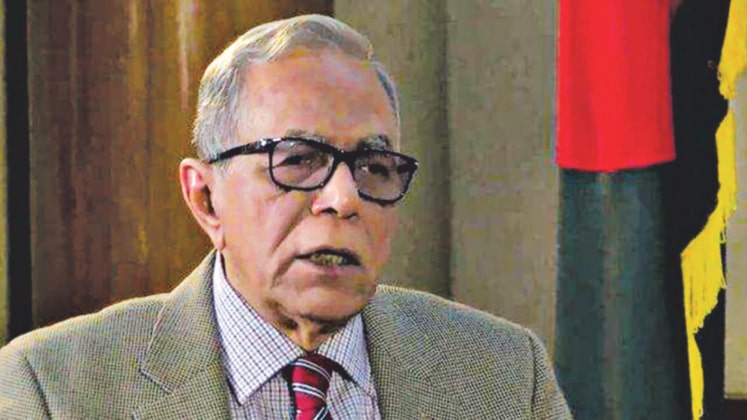
Perhaps keeping the same in mind, Bangladesh President Abdul Hamid while delivering his speech at a recent conference titled, ‘Investment in a New Era of Globalisation’ in Global Leaders Investment Summit in Geneva, Switzerland, reportedly underlined that graduating LDCs should get preferential treatment for a reasonable period, adding LDCs need duty-free and quota-free access, more private FDI, and necessary incentives for transfer of technology.
Bangladesh is a major user of duty-free and quota-free market access, with shipments under this facility accounting for 72 per cent of the total exports in fiscal 2015-16. Upon graduation, exports will be subjected to additional tariffs. With this, the preferential market access to more than 40 countries in varying degrees that Bangladesh currently enjoys would be gone. As per the United Nations Conference on Trade and Development (UNCTAD), Bangladesh’s exports may decline from 5.5 per cent to 7.5 per cent on becoming a developing nation.
Referring to UNCTAD’s World Investment Report 2018, Hamid reportedly maintained that global FDI fell by 23 per cent in 2017 and FDI to developing countries did not recover after a 10 per cent drop in 2016.
“So, we have reasons to be concerned, especially because in the wake of the last financial crisis, the weakened globalisation had a devastating impact on global economic growth, trade, and investment,” the President said.