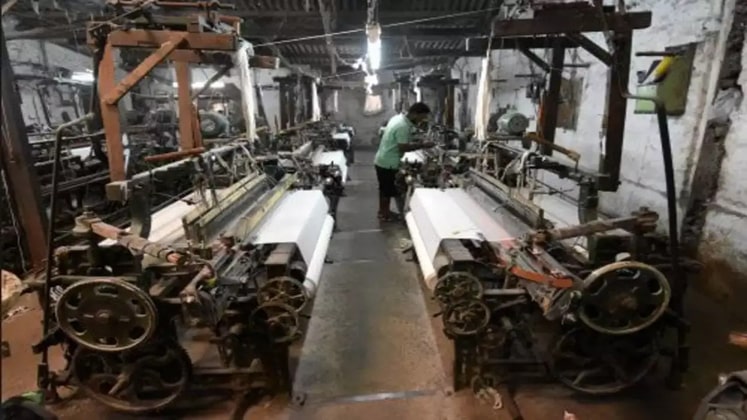
Between January and August 2023, a total of 260 industrial facilities falling under the purview of eight Industrial Police zones were forced to cease operations, resulting in approximately 35,000 workers losing their employment.
During the same period, 114 new factories were established, generating jobs for 12,445 workers.
Data from the Industrial Police indicates that, from 1st January to 20th August 2023, a total of 320 factories within their jurisdiction had to shut down, rendering 44,559 workers jobless.
Among these closures, 60 were members of the Bangladesh Garment Manufacturers and Exporters Association, 16 belonged to the Bangladesh Knitwear Manufacturers and Exporters Association, nine were part of the Bangladesh Textile Mills Association, five operated under the Bangladesh Export Processing Zones Authority, and the remaining 223 were non-readymade garment (RMG) units.
Interestingly, 60 of the shuttered factories managed to reopen during this timeframe, reemploying 9,611 workers. Simultaneously, 114 new factories emerged, providing jobs for 12,445 individuals.
Despite the reemployment of 22,056 workers through both the reopening of factories and the creation of new ones, more than 22,500 workers still faced unemployment during the period from 1st January to 20th August. Industry insiders suggest that many small-scale export-oriented factories had to close due to a lack of work orders, while local small and cottage industries were adversely impacted by shortages of raw materials.
Ehsan also highlighted the closure of many import-substitute small and cottage industries in the country, attributing it to a scarcity of raw materials caused by government restrictions on imports to address the ongoing dollar crisis.