Sweater is a major product category – third in line after T-shirts and bottoms. However, considering the huge global knitwear market, Bangladesh’s average annual knitwear export of US $ 12 billion – in which sweater constitutes little more than one-fourth share of the country’s total knitwear items – leaves much room for growth and improvement.
China is still the largest sweater manufacturer in the world with estimated production volume of around US $ 50 billion as compared to Bangladesh’s US $ 3.5 billion per annum even though Chinese entrepreneurs are moving away from garment towards hi-tech and heavy industries in face of rising labour cost and scarcity of skilled manpower. But, signs are already here for everyone to see with visible shift of business to Bangladesh.
“The kind of capabilities the country has for sweater manufacturing is difficult to be replicated by any other country. As not only is the investment huge but also the expertise and support system required has not kept pace with time in other countries,” opines Saiful Hoque, Chairman, Sky Apparels, a 100% export-oriented sweater manufacturer with 200 state-of-the-art jacquard machines and in-house yarn dyeing and processing capabilities. Sky Apparels also manufactures woven items.
Blessed with a robust ecosystem – significant increase in yarn dyeing and processing, and enhancing cotton and acrylic yarns manufacturing capacities with only the fancy yarns still missing in its repertoire for which the country is majorly dependent on overseas destinations – most of the sweater manufacturers in Bangladesh have adopted a two-pronged strategy of market diversification and automation to enhance productivity, expand product offerings, increase efficiencies and grab bigger market share. The sub sector, which shared US $ 3.41 billion (11 per cent) of total RMG exports of US $ 31 billion in the fiscal year 2014-15, and aiming to reach US $ 8.0 billion export milestone by 2020 to fulfil the target of US $ 50 billion from RMG exports by 2021, the stakes are really high!
Automats to the rescue…
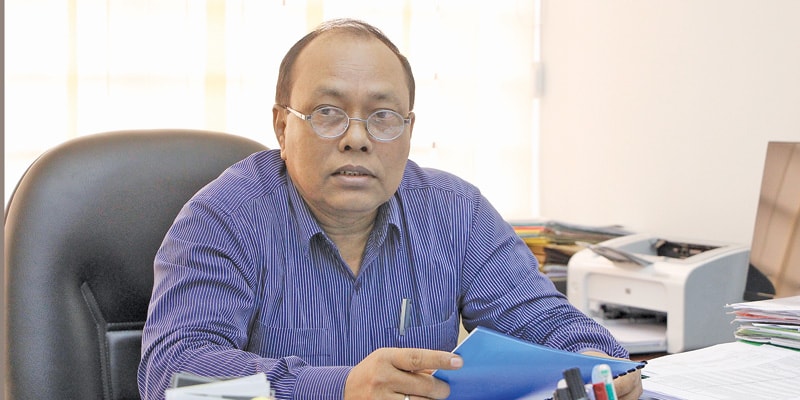
With each passing day profit margins are getting narrower and on the contrary production cost is rising continuously for the manufacturers. This season the asking price for yarn is reportedly almost 20-25 per cent more than the last year; add to it the automatic increase of 5 per cent in workers’ wages. “The only option to reduce cost and still remain competitive is through automation,” underlines Milan Kanti Barua, Director, Azim Group. The labour cost in sweater manufacturing is also much higher compared to knit or woven factories due to piece rate in production and 10 hours of running. “Earlier the wages were between US $ 50-60 but knitting operators are now demanding and also getting salary as high as US $ 250 to even US $ 300 a month,” adds Md. Delowar Hossain, Director – Raozan Sweaters Ltd., pointing out how increasingly labour cost is taking the sheen off Bangladesh, considered a low-cost garment hub with abundant manpower and expertise.
As such retraining the manual flat knitting machine operators on automatic knitting machines where the average man-machine ratio in most factories is 1:4 with some even trying to replicate one operator handling 10 automatic machines as practised in China and Turkey, industry insiders foresee total elimination of hand flat knitting machines from Bangladesh in days to come.
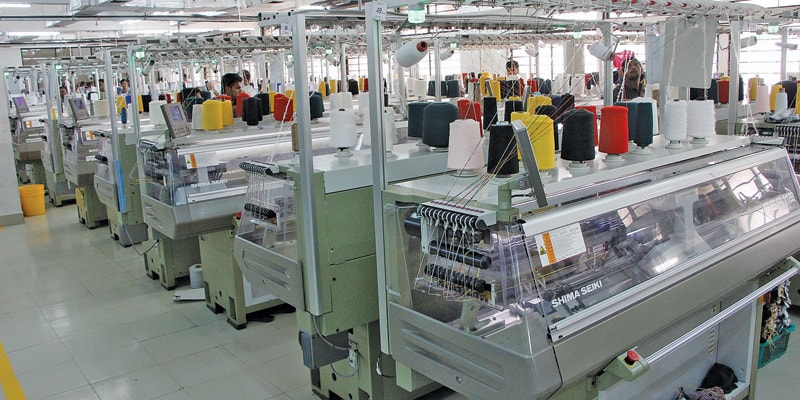
According to Mohammed Hatem, former Vice-President of Bangladesh Knitwear Manufacturers and Exporters Association (BKMEA), around 10,000 automatic machines have been installed in different sweater factories in Bangladesh last year alone while as per Md. Mamunur Rahim, MD, Desmo S, owner of 100-machine-strong sweater manufacturing unit with production capacity of 800 pieces a day, there are at least 50,000 automats in the country currently. Deferred payment options offered by leading automatic knitting machine providers, under which sweater manufacturers starts repaying the capital invested only after a period of 2 to 3 years of purchasing, is also pushing the demand for automats. “Despite sizeable investment, the RoI has come down significantly over the years, which is encouraging the entrepreneurs,” underlines Enayetuddin Md. Kaiser Khan, Managing Director of Sonia & Sweaters Limited, who has already installed 200 automatic machines from Shima Seiki with plans to open LC for 100 more soon.
With fashions changing at a faster rate than ever before, and necessitating greater machine flexibility to come up with innovative designs, styles and value-additions, manufacturers are also opening up to invest in automation, keeping future in perspective. “Now buyers are not only looking at basics but also seeking fashionable items, which is not always supported by hand flats,” maintained Habibur Rahman, Manager, Merchandising and Marketing of Pretty Group with monthly sweater production capacity of 1.8 million pieces.
Many feel Bangladesh has very good prospects with the markets in South Korea, South Africa, Russia (especially the CIS states), China, and some countries in South America. China’s US $ 100 billion market for apparel products has many sweater manufacturers in Bangladesh aggressively looking at gaining traction there.
The combined hand flat machines strength of Azim Group in its three sweater factories – Savar Sweaters Ltd., Orchid Sweaters Ltd. (Chittagong), and Creative Sweaters Ltd. (Dhaka) – is 4,500 machines, excluding the 330 automatic jacquard machines, and another 200 to be installed soon, catering to diverse clienteles like Zara (mid-fashionable products in volumes), Kmart and Walmart (basics in volumes) and Joe Fresh (fancy items), the introduction of automats have enabled them to diversify product basket, attain greater flexibility while also increasing the capacities.
“Tops, bottoms, kids’ items and dresses are some of our produce that we are exporting now… With hand flats also we can do certain items but the productivity is very low. Besides, manual machines have limitations in terms of quality and designs,” explains Barua of Azim Group.
For Sonia & Sweater, automation is more for capacity expansion rather than value addition. Says Enayetuddin: “We can design almost everything on our manual machines but we intentionally don’t produce dresses and other fashionable items. We are doing 3-4 million pieces a year and with installation of automats our productivity is getting better continuously, so we have no reason to get into higher fashion categories…”
Market & Product innovation to address seasonal business
Traditionally catering to Europe, USA and Japan, sweater exporters are no longer content just with the established market places; the call of the unknown and the unexplored seems too strong to resist, and why not if potentials are good.
“From the very beginning our market strategy has been different. Our focus area is South America where we want to consolidate our position,” underlines Delowar Hossain, who has recently procured 9 Shima Seiki machines from Japan to boost productivity and cater to non-conventional countries like Peru, Chile, Colombia and Mexico, which Hossain considers his principal market where he supplies to chain stores like Almacenes Garcia, Coppel Corporation, Woolworth, etc. Next in line for Hossain is Russia, where he anticipates good business. Amongst traditional markets, Raozan is also present in Japan.
South Korea, South American countries, South Africa, Russia (especially CIS states), and China are markets Bangladesh has very good prospects, feel many. China’s US $ 100 billion market for apparel products has many sweater manufacturers in Bangladesh aggressively looking at gaining traction there. India is another big name emerging as potent non-conventional market, lately.
“Population wise India makes more business sense compared to Europe. Catering to India would be much easier too in terms of logistics and other aspects. The country also has many big retail chains,” points out Mamunur, adding, with numerous established players already in fray to capitalise on the opportunities, it would be no cakewalk for smaller entities like Desmo S. Though India is shrinking in terms of sweater manufacturing but market wise it has lot of potential that has already earned attention of sweater manufacturers from Bangladesh. Mamunur’s observation on India is also reiterated by Lutfor Rahman – CEO, Araf Tex Mode, a buying house, which has already started exporting to a Delhi-based importer in smaller quantities, sensing the opportunities there.
Considered a seasonal business, market expansion is also helping sweater manufacturers to deal with the lean season, effectively by reaching out to markets as diverse as Japan and South America where seasons are different.
“In Chittagong there were at least 70-80 sweater factories 5-6 years back but now the number has dwindled to 15-20… Even when you don’t have orders, workers’ wages and other overheads pertaining to maintenance are something that one cannot escape,” laments Delowar Hossain.
With demands increasing steadily for summer cardigans and pullovers that feel like a T-shirt for layering, sweater manufacturers seems to have found a new opportunity to survive even in the lean (‘off-peak’ season) phase. “Some buyers call the yarns of such products as summer yarn, as they are a bit cooler,” underlined Zahir Rayhan, Managing Director of Asian Tex Sweaters with production capacity of 2,00,000 pieces per month. Summer yarns are mostly blended yarns with 65 per cent rayon and 35 per cent polyester made in one ply and two ply, making it more breathable for the summer season but a little heavier than just a T-shirt. Giving a further boost to demands for sweaters, coming up are many new brands like Alps & Meters, Jude (Australian knitwear label), Knyttan (a London-based company), Wool and the Gang (online platform for bespoke knitwear production), etc. alongside the trendsetters – Chanel, Prada, Marni, Céline, Stella McCartney, J.Crew, Loro Piana, and traditional powerhouses – Max Mara, Missoni, John Smedley, Black Sheep, J.Crew, Garnet Hill Cashmere, Lands’ End, Charter Club/Macy’s, Jed and the likes that have opened up avenues of growth for sweater manufacturers like never before.
Azim Group
A multinational holding company based in Chittagong, Azim Group has about 20 manufacturing units (in woven garments and sweaters), with over 26,000 employees in its payroll and annual revenue of about US $ 200 million. It also has sourcing and marketing hubs in Hong Kong and a liaison office in New York.
Catering to the leading labels of US and EU – Inditex (Zara), The Children’s Place, Loblaws Inc. (Joe Fresh), Sainsbury’s, Eurofrente, Branex, Tesco, Asda, etc., Azim Group produces around 700,000 pieces of sweaters monthly through its three sweater manufacturing facilities – Orchid Sweater Limited (production capacity of 8,000 – 8,500 dz./month), Savar Sweater Limited (Capacity 16,500 – 17,000 dz./month) and Creative Sweaters Pvt. Limited (capacity 9,000 – 9,500 dz./month).
“In our group, we have 4,500 manual machines and now we have introduced 330 auto jacquards in Savar Sweaters and plan to install another 200 machines shortly,” underlines Milan Kanti Barua, Director, Azim Group.
Proficient in manufacturing sweaters – both in heavy and the fine gauge using different kinds of yarns, Azim Group produces fashionable and value-added products along with basic items for its various customers. “Joe Fresh requires high-end sweaters, Zara in mid-fashion and Walmart and Kmart for the mass market, which are mostly basics,” explains Barua. Azim Group is also open to do smaller volumes – 2,000 to 3,000 pieces per style also, but only for the existing clients and plans to introduce intarsia in near future. “Intarsia will enable us come up with more complicated and high-end designs,” points out Barua, underlining that currently the demand is more for fine-gauge sweaters in complex designs and colours.
Raozan Sweaters
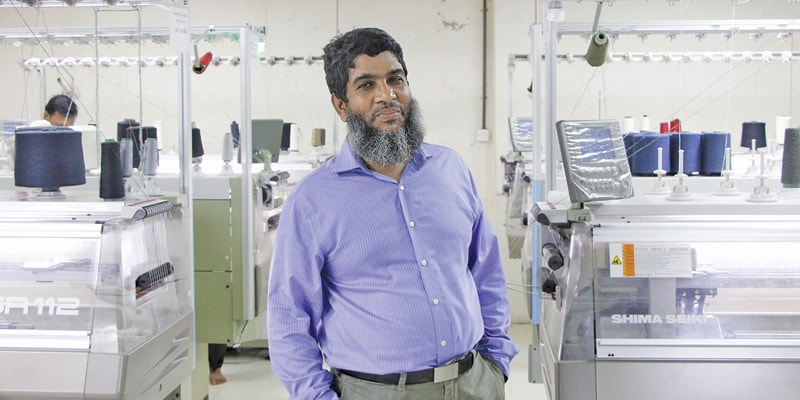
Established in 2007, Raozan Sweaters Ltd. (based out of Chittagong) headed by Md. Delowar Hossain, as Director has 500 hand flats and 9 jacquard machines from Shima Seiki, and exports sweaters mainly to South American countries (fine-gauge sweaters) including Peru, Chile, Colombia, Mexico; besides Japan.
Awarded by BGMEA in 2010 for exporting to non-conventional markets, Raozan counts Mexico as its principal market where it caters to chain stores like Almacenes Garcia, Coppel Corporation, Woolworth, etc. “Garcia has been placing all its sweater orders to us since 2006; they have around 80 outlets in Mexico,” underlines Delowar, who manufactures and exports all kinds of sweaters in diverse makes – acrylic, cotton and various other blends, like viscose, mélange viscose, etc.
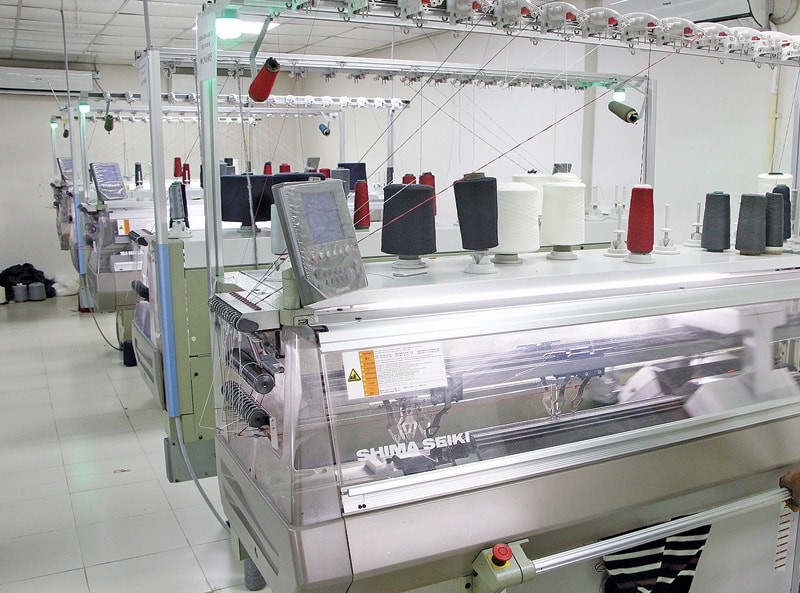
The recent acquisition of the automats, Delowar believes is a necessity which would help him produce more value-added and fashionable items while also diversifying his product basket. “Without upgradation, it is not possible to survive in the present scenario as profit margins are diminishing drastically while production cost is going up,” maintains the Director of Raozan. Making sweaters based on styles and specifications provided by the buyers, Delowar is more than keen on developing his own team to create new designs. “Currently we don’t have the capabilities to come up with our own PD team but in future we have plans to make designs in-house,” underlines Delowar.
Desmo S
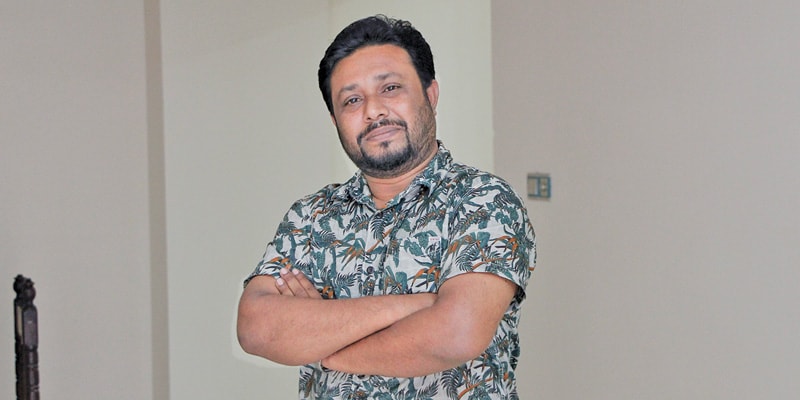
Helmed by Md. Mamunur Rahim as MD, Desmo S is a 100-machine (hand flats from Honkima) strong sweater unit with production capacity of 800 pieces per day, catering mainly to H&M and George in men’s and women’s sections. Having manufactured around 1,00,000 pieces of sweaters for George and H&M each respectively, last year, Mamunur is now planning to double the volumes consequent to increased demand from the clients. “As there is enough space in the factory, I am planning to install 50-80 automatic machines,” underlines the MD of Desmo S, who has already procured land to come up with a fully-compliant sweater factory with machine strength of around 300.
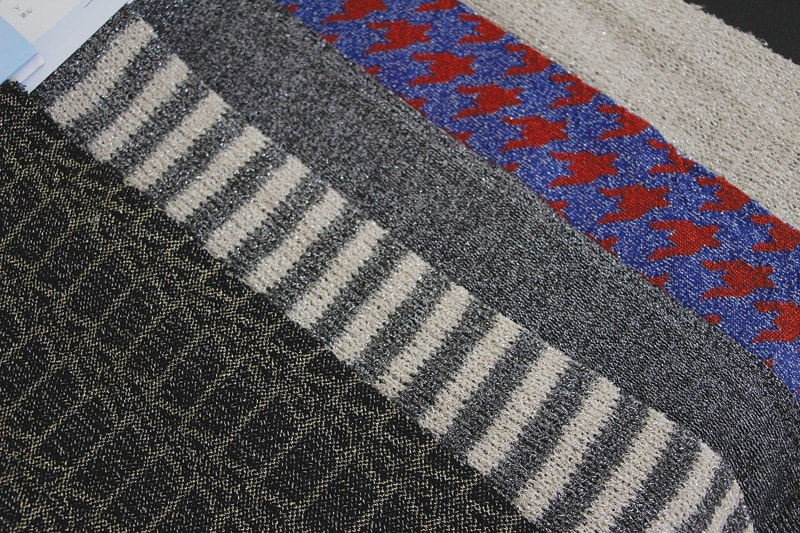
Alongside increasing capacities, Mamunur is also pursuing new clients and expecting to make some headway soon. “Shirtex (importer) based out of Shanghai, China, which supplies to around 600 entities there, is one of the new clients I am in discussion with. They also visited my factory last month,” adds Mamunur, who has also recently started supplying Chinese metallic yarns in many sweater factories of Bangladesh, owing to its increased demands.
Sonia & Sweaters Ltd.
Sonia & Sweaters Ltd. is part of Sonia Group – established in 1998 as a ‘trading house’, which subsequently branched off to various related manufacturing processes pertaining to the Knit Composite Industry – Sonia Ltd., Sonia & Sweaters Ltd., Sonia Fine Knit Ltd., and Naba Knit Composite Ltd. It also deals in allied services related to RMG through Hope Packaging Ltd., Nexus Logistics Ltd., and Nexus Cargo.
Producing 3-4 million pieces of sweaters per year in men’s, women’s, and children’s categories in various yarn compositions for all age groups and demographics, Sonia & Sweaters counts names such as Marks & Spencer, Kenneth Cole, GAP, Metro Group, Carrefour Group, George, etc., amongst its clienteles.
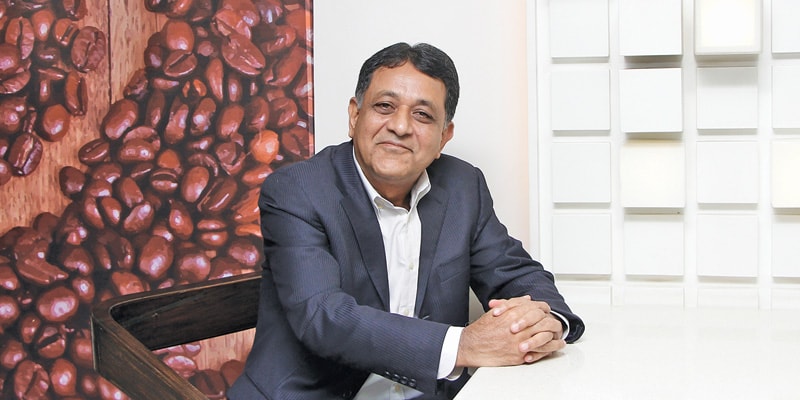
“With installation of new machines (already 200 automatic machines from Shima Seiki have been installed in Sonia & Sweaters with plans to open LC for 100 more soon), our productivity is getting better,” maintains Enayetuddin Md. Kaiser Khan, Managing Director of Sonia & Sweaters Limited, who goes on to add that in Bangladesh, sweater manufacturing started off as a manual process having entered the phase of semi-automation lately with linking still done manually in majority of the factories.
Capable of doing fashionable and high-end varieties, the company dwells more on basic items. “We can design almost everything but we don’t do dresses and other high-end, fashionable items,” underlines Enayetuddin, adding, “We basically live on volumes.” Having created a niche in 12 and 14 gauge sweaters, Enayetuddin maintains that though many sweater manufacturers have started thinking of PD but lack of local availability of well-trained designers has slowed down the process, who also observed that Bangladesh was yet to go some distance before attaining maturity in sweater manufacturing. “We are using automatic machines but whether we are able to optimally utilize the machines is a big question; that’s why I say that we have not fully developed yet,” signs off the MD of Sonia & Sweaters.