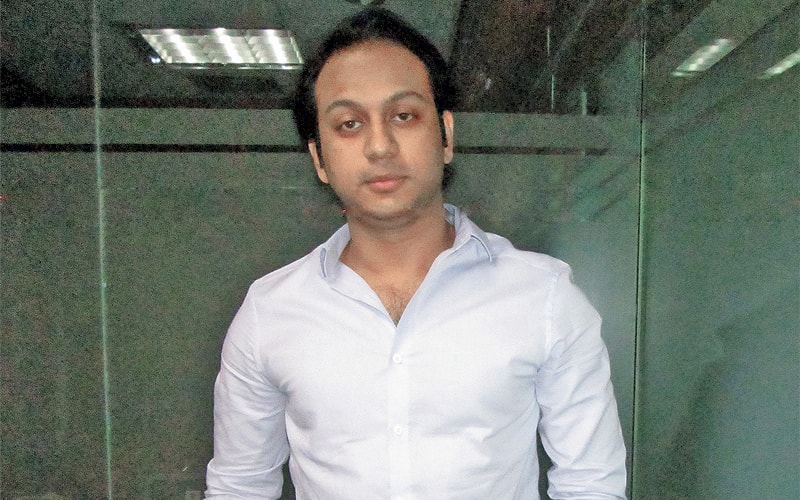
During its almost two-decade old journey, Classic Group has become a source of inspiration for several manufacturers and export houses in Bangladesh. Under the young and effervescent leadership of Md. Taief Azmi Irfan (Director), the company has adopted numerous innovative strategies and measures, including lean manufacturing, decentralization of authority and effective quality control process, which has helped them to create a space of their own in the crowd of manufacturers. In an exclusive discussion with Apparel Online (AO), Irfan, who is the owner and the Director of the company, talks about the strategies of his company that will help his company surge ahead. Going forward, the company also has plans to start a new factory which would be a green building.
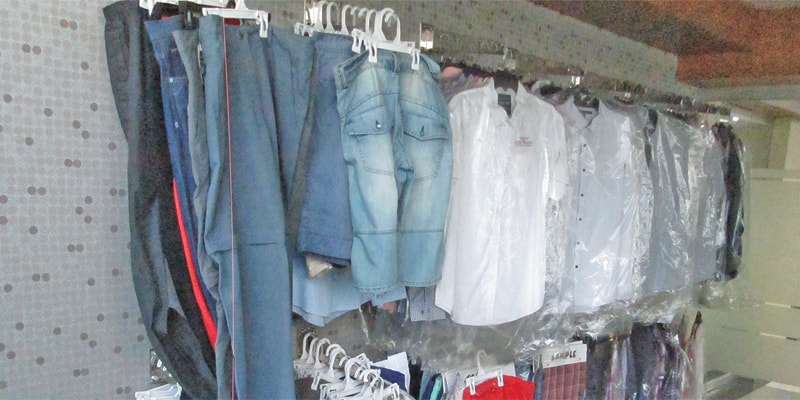
Since their inception as a manufacturing unit in 1999, the company has been largely associated with woven tops for men, women and children – with a production capacity of 600-700 pieces per month. The enviable list of their clients includes Joe Fresh, RB Sellars, Visage, etc., thus covering the Australian and European market.
With an annual turnover of US $ 20 million, the company has grown significantly under Irfan. Although he vehemently raises concern about the port congestion, which has been a perennial worry, yet he is hopeful the Government will find a solution to this concern. His adoption of four-pronged strategy, of which two are process-oriented and two are market-oriented, makes him stand out among many others.
Lean manufacturing for waste elimination
Elimination of waste was the first thing that Irfan worked on and it took him no time to immediately do away with the conventional method. The company adopted the lean manufacturing method and focused on enhancing the productivity by simultaneously reducing manpower, machines and cost. “Productivity and CM never matched and we were losing. Also paying salary to labourers from pocket was tough. So we were actually forced to move to lean manufacturing to decrease the cost and increase the productivity. Then we went to China and Indonesia to see the way lean manufacturing works and it was an eye-opener for us. We then implemented it in our factories and today it is much successful,” averred Irfan. The result is so significant that the manpower is today reduced by 30-35% and the productivity is better. The company also brought in ERP software into the system and customized it, thereby enabling them to understand the budgeting cost and actual cost. The software has also been useful in letting the company know which style is cost-effective thereby helping them in getting more orders.
Decentralization of decision making process
One of the major decisions taken by Irfan after taking up the mantle of leadership was the decentralization of authority and responsibilities. “First thing I noticed was that everything was centralized. Everything was based on my father’s approval. I decentralized the responsibilities and made it clear to all that each person has to take his/her own responsibility. Better performance means better incentive, promotion and increment,” underlined Irfan. Provision of laptops, computers and creation of mail IDs have further helped in ensuring better inter-departmental communication. There is also now more focus on quality. “Earlier General Manager Production was controlling quality as well but now we have employed General Manager Quality who ensures that there is no rework and that the expected quality standards are met without fail,” shared Irfan with AO.
E-commerce, a new market opportunity
The company also has plans to venture into e-commerce. “Bangladesh is today booming in e-commerce. People do not have time to go to malls for shopping and prefer doing online shopping. We are launching our own brand soon. Once proper platform is made through websites, people will know that they can get quality products at cheaper rate by just sitting at home,” remarked Irfan confidently. The integration of e-commerce with the already successful manufacturing business should in all probability make Classic Group a force to reckon with in Bangladesh – and beyond. Corroborating on this, Irfan adds, “Because my business module is overseas, I have to expose my level and e-commerce will help me do so.”
Exploring and developing new markets
The company has realized that developing new markets is the only process for sustained growth. With the Government now offering 3 per cent incentive for every new market explored, the company is all set to capture the markets of Brazil, Turkey and Kazakhstan. “3 per cent of what we are exporting is a good amount of money,” concluded Irfan with a smile.