The technological upgradation in every sphere of life has impacted the industries and how business is run by conglomerates. This has impacted and transformed the fashion industry as well. According to a recent data released by Google, mobile is the future of retail and this makes absolute sense for the fashion industry leaders since the number of smartphone users is constantly on the rise and over 64 per cent of smartphone shoppers turn to mobile for ideas before heading out to shop. Mobile today has become an ideal platform to bridge retailers’ in-store and online experiences, and in that, shopping apps are becoming the perfect avenue for brands to communicate directly with the consumers.
Even as the industry is still in its infancy stage when it comes to mobile apps, it is being seen as the next harbinger of growth for fashion brands. Not just big brands, but even smaller brands and companies are also launching their own shopping apps today to showcase their brands and define an identity for themselves in the consumer market. Leading commerce platform Shopify introduced first-of-its-kind shopping assistant app, combining discovery of local businesses, personalised recommendations, seamless payment and tracking.
Mary Turner, CEO, Koovs, asserts, “E-commerce in India is still in its early stages of growth; however, it is growing faster in India than any other major market. Mobile commerce has actually been the driver of this growth, with smartphone being the most accessible device for consumers and most convenient way to shop online. Of course, with the current pandemic, no one is able to operate their normal business plans; however, we are witnessing shoppers who have previously been resistant to e-commerce, but are shopping on their phones for the first time and this is building familiarity and confidence in the online space generally.”
Why apps?
Indian m-commerce market is growing at the rate of 28 per cent annually and is expected to be worth US $ 54 billion by 2022, according to new data from Worldpay, Inc., and fashion brands are trying to reach their consumer base through a variety of mobile and web-based solutions. So, just how important is it for fashion brands to have a shopping application? Mobile web is important for reach, but shopping apps provide engagement with the most loyal customers, showcase their brand identity and drive sales. In such a scenario, not having a shopping app is definitely not a wise decision on the part of retailers.
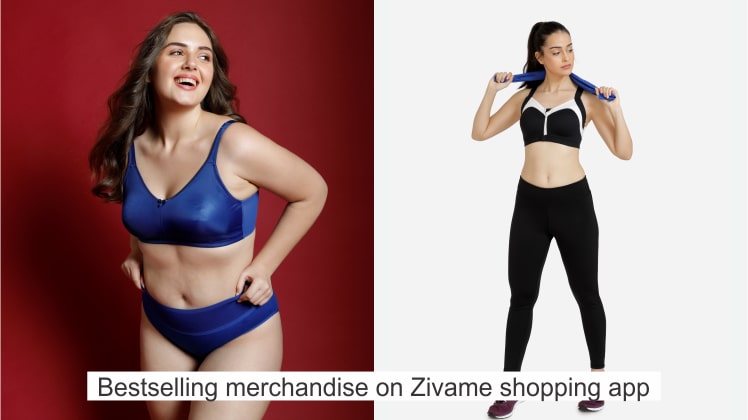
Anuj Gupta, Chief Revenue Officer, Zivame, maintains, “A brand planning to move to online commerce must think mobile-first. The choice between mobile site and mobile app depends on the business objective. Mobile sites are usually more cost-effective, have a lower time to market and provide a broader audience reach by being easily available on all platforms. In case a brand wants to solve deeper consumer experience issues in the online space through engagement, personalisation, leveraging device capabilities (push notifications, camera and location), loyalty, etc., then apps would be the right platform. Consumers have started preferring apps over mobile sites because of a better and more engaging brand experience. Zivame app was launched in 2015.”
Who wouldn’t agree that it is much easier to browse on an app and make a purchase than logging into an account on the desktop for the same? Few factors that chip in the favour of shopping apps are: since its easier, customer tend to spend 3 to 4 times longer on mobile apps; these apps have lowest shopping cart abandonment rate (apps: 20 per cent, desktops: 68 per cent, mobile sites: 97 per cent); the average order value on apps tend to be 140 per cent higher than on mobile sites and 130 per cent higher than on desktops; consumers are likely to return to a shopping app within 30 days compared to the desktop; push notifications or the ability to deliver targeted, context-aware messages, rather than sending messages in their already full inbox helps retailers to engage customers; apps enable data collection for retailers to understand its customer base. These and many other factors are leading fashion retailers to shift their business to apps; Myntra being one of the most successful examples here. Myntra had, for a brief period of time, shut its website banking solely on its mobile application since 90 per cent of its traffic was located in the app and 70 per cent of its orders came directly from the app. While the online firm brought back its desktop version, it clearly shows how fashion companies are relying on shopping applications.
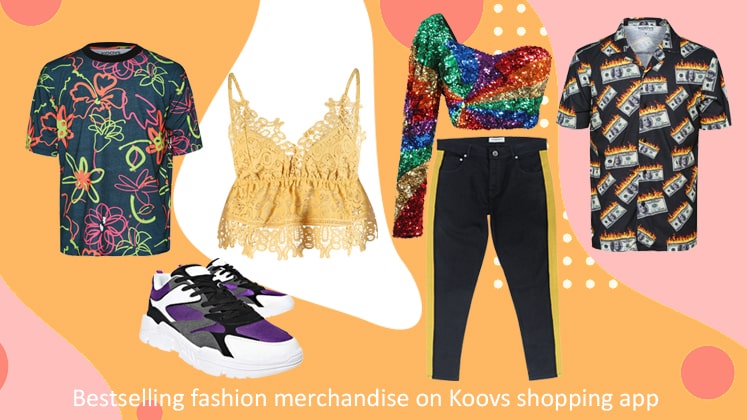
Koovs, which launched its app in 2014 alongside web and mobile-web, also gets almost 70-75 per cent of its traffic and purchases through the app. Tanvi Malik, Co-founder, FabAlley, avers, “We launched FabAlley app 4 years ago and Indya app is about 7 months old. Since 45 per cent of our revenue comes from the apps, and with the growth of mobile commerce, we certainly incentivise our customers to download the app but being an omnichannel brand, we try to maintain parity across all our channels. Shopping apps offer a lot more personalised experience in comparison to the e-commerce websites and so it requires more curation and technological integration. We have introduced and are planning to introduce a slew of experiences on our apps.”
Also Read: Managing product catalogues on multiple online marketplaces
Technologically equipped
While it is believed that the shopping apps tapped into the power of mobile commerce early on, one major part that needs attention from every fashion retail brand is the right use of technology to offer what it intends to offer to its customer base. A technologically deficient app can get customers offside or might result in wastage of investment put in the app. Talking about the technological integration in its app, Koovs’ Mary Turner says, “The app has been developed in Swift (iOS), Java, Kotlin and React Native with the latest technology stack. This makes the app fast and intuitive for the consumer and enables a smooth and effective roll out of updates for us. It is also backed by our highly scalable micro-services platform and performant API backend to link with the best of breed applications, for example, to utilise customer preferences and shopping patterns, promotions engine and secure checkout, all for the best customer experience.”
Besides offering a seamless experience, Koovs also engages customers by offering compelling fashion content with style inspirations, quizzes, user generated and influencer content. “During early days of the COVID-19 lockdown, we engaged our customers with #21DayWithKoovs – a 360-degree campaign to ensure maximum consumer participation and maintain top of mind recall with relevant content and context. The campaign included a range of content such as style inspiration, weekly contests, Offer of the Day and social initiatives including #AboveKeyboardDressing and #UnpauseWithKoovs. As the lockdown was extended, we extended the campaign to #StayHomeWithKoovs to continue supporting and engaging our customers and followers,” she adds.
Not only ease of transaction, fashion companies are also offering value added services to their consumers and are designing their apps to be fast, easy and hyper-personalised for their users. Zivame’s proprietary tool FITCODE enables women to find their right fit for their body profile. The brand also uses data science algorithms that fit consumers across one of the 300+ profiles that it has identified and built. Similarly, FabAlley too is cosying up with the technology to offer the best of experience to its consumer base.

“We have a whole team that focuses on the technological fronts like app development and integration of AI, etc. Besides offering specific discounts in terms of credit or cashbacks, etc., we have recently launched Fab Fix – a data driven product recommendation platform that takes into account customers’ individual styles to curate fashion boxes for them. An app-first rather than an app-only feature, Fab Fix is a step towards strengthening the D2C footprint of the brand, which substantially reduces the effort that goes into browsing and selecting. Right now, our focus is totally on the app for further development. Going forward, we are planning to add more AI-based features, virtual styling assistant, among other things like making it more user-friendly, while also adding more video content since these tend to do really well on the mobile,” maintains Tanvi Malik.
Cosying up with the consumers
While studies are showing that shoppers are increasingly moving towards mobile commerce, retail leaders opine that they have been struggling to get customers to download their specific branded mobile apps. Even as the retailers have adjusted their techniques in order to meet customers’ desires and to make their app convenient for use, much larger issue here for retailers is that many customers don’t even know that their favourite fashion brand has a mobile app. In this scenario, an over-the-top marketing strategy is the only way forward. Koovs’ May Turner apprises, “We promote the app in everything we do across external media marketing, social and our own digital media and channels. It’s not just transactional. Because of the expansive nature of m-commerce, even when people have not been able to transact through COVID-19 restrictions, the app maintained high brand awareness, continuing to engage and entertain customers, keeping the brand fresh and in front of the mind. We also offer exclusives to our prime customers on the app which include promotions, new launches like the popular and sought-after exclusive Koovs X designer collaboration, etc.” The shopping app contributes to 80 per cent of the brand’s revenue across categories, while for Zivame, the app generates over 75 per cent of its online revenue.
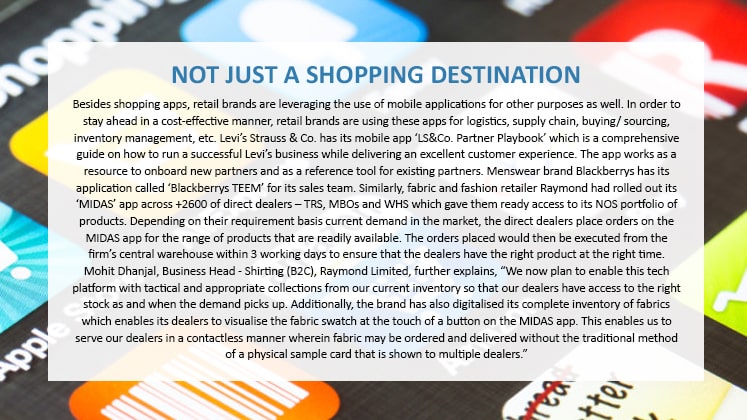
The way forward
Although mobile apps are here to stay and are proving beneficial for retail brands, there are few strategies in order to make them successful and engaging. A retail brand needs to give incentives to download the app by offering exclusive deals; combine the 3Cs of purchase decision making – content, community and commerce; use customer data to create a personalised mobile shopping experience; ensure that the app is consistent with the brand message in every way; cultivate an omnichannel retailing model by using the app to drive customers to the physical stores; and use push notifications wisely to keep people coming back to the app. Despite the ubiquity of shopping apps, no one rule can be deemed fit for all the brands and each of them would be required to take decisions on their apps and the experiences it will offer based on its nature and target audience, etc.
Furthermore, in the present world where physical touchpoints are being reduced, apps will help brands drive growth in the days to come. And companies are already upping their ante by focusing on re-engaging and retaining their users. “We have seen a shift towards online shopping with the mobile platform driving this shift. Consumers are looking for solutions that can solve their shopping experience gaps during COVID-19, and vertical e-commerce apps are best placed to solve that need,” concludes Anuj Gupta. This is the case not only in the metros, but even in Tier-2 and Tier-3 towns which are opting for mobile commerce now.
Also Read: Queue Management & Appointment Booking: Technology to monitor social distancing in retail stores





 Bharat Tex Special Report 2026